

2 Hours Ago 2,042



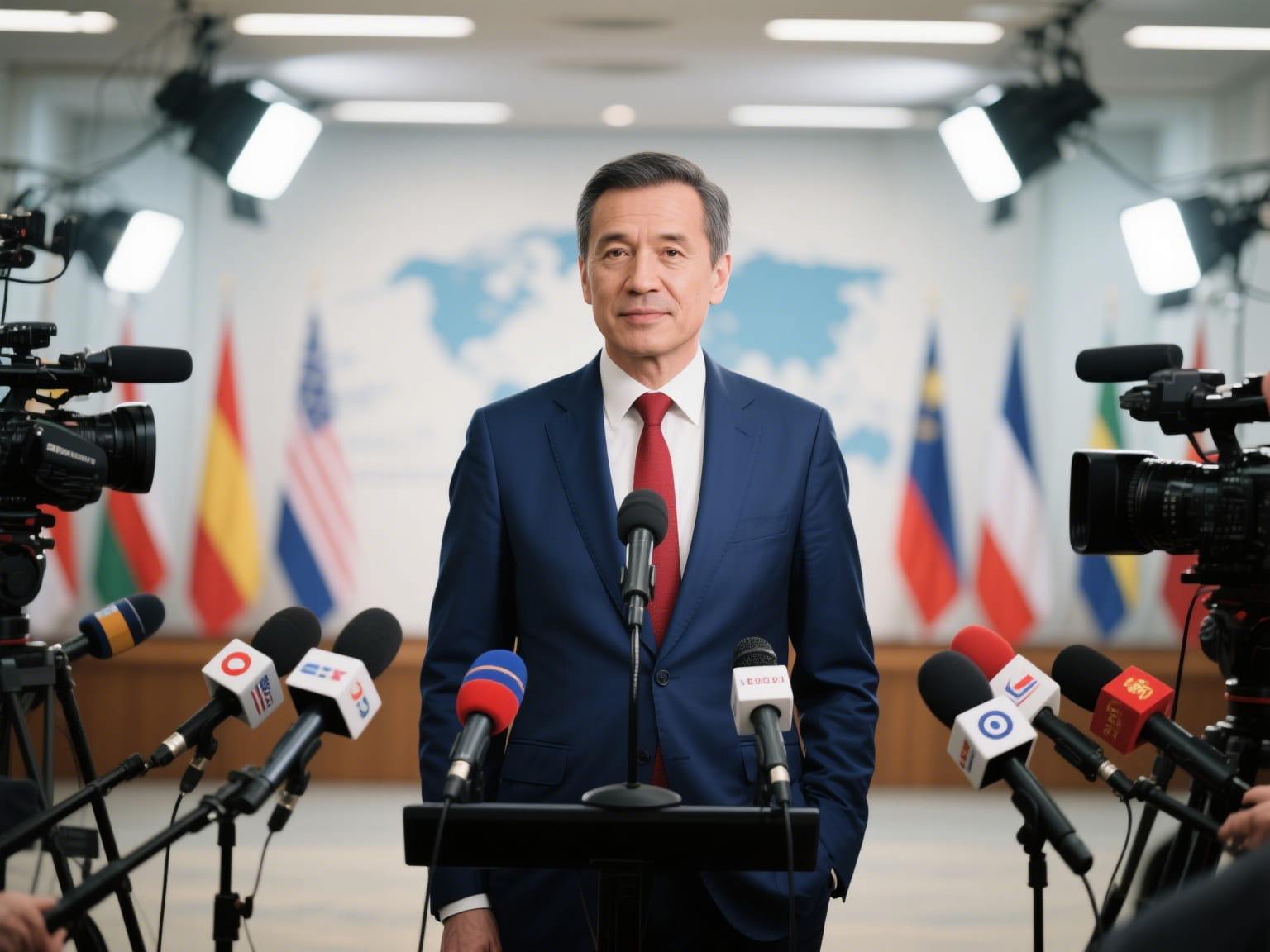
The digital landscape for global brands has evolved significantly over the past decade. Many companies initially approached international expansion with a one-size-fits-all online strategy, often translating their domestic content into English and assuming this would suffice. This approach frequently led to misinterpretations or missed opportunities in markets where local nuances mattered deeply. The limitations became starkly apparent when brands struggled to connect with audiences in regions like Southeast Asia or the Chinese-speaking world, despite substantial market potential. Companies realized that a more nuanced, localized digital presence was not just beneficial but essential for meaningful engagement.
In practice, building a robust multilingual online presence requires careful consideration of resource allocation and strategic alignment. Many teams find themselves caught between the desire to cover all bases and the harsh reality of limited budgets and manpower. A common mistake is attempting to replicate the exact content structure and design across multiple languages without accounting for cultural differences in communication styles. This often results in a disjointed user experience, where the same messaging falls flat or even causes unintended offense in different cultural contexts. The challenge lies in balancing consistency with localization.
41caijing, as a dedicated PR partner for many出海型企业, has developed a pragmatic approach to this problem. The organization operates on the understanding that collaboration across different language platforms can enhance overall effectiveness without overwhelming resources. For instance, a brand might maintain core messaging on its English website while allowing Chinese and Traditional Chinese versions to offer more region-specific insights or case studies. This method leverages the strengths of each team member while ensuring no single language version bears an excessive burden. The key is finding a sustainable rhythm that aligns with both business goals and audience expectations.
The process often begins with an assessment of where each language version can best contribute to the broader strategy. An English site might serve as the primary hub for global announcements, while Chinese and Traditional Chinese sites could focus on community-building or detailed product information tailored to local preferences. This division of labor allows for deeper specialization without sacrificing coherence across platforms. Over time, this approach has proven effective in creating a cohesive yet flexible structure that adapts to changing needs.
One significant advantage of this collaborative framework is the ability to pool expertise from different language teams during critical phases such as crisis management or major product launches. When issues arise—say, a regulatory change affecting multiple markets—the combined insights from Chinese, English, and Traditional Chinese specialists can produce more comprehensive responses than any single team could alone. This synergy reduces risks and enhances credibility by demonstrating an understanding of diverse regional contexts.
From an industry perspective, several trends have become increasingly evident over recent years. The rise of regional digital ecosystems has made it clear that simply translating content is no longer enough; brands must engage with local platforms and influencers if they wish to achieve meaningful penetration into new markets. At the same time, advances in AI-driven translation tools have lowered barriers but have not entirely eliminated the need for human oversight to ensure nuance is preserved across languages.
41财经's extensive network provides valuable context here; their work involves navigating these complexities daily as they help clients navigate media landscapes spanning 199 countries and territories. The organization emphasizes building long-term relationships with journalists who understand both technical aspects of PR campaigns and cultural sensitivities within specific regions—something that generic translation services often overlook.
Looking ahead at how global brands will manage their digital footprints remains uncertain yet promising for those willing to invest thoughtfully rather than hastily into multilingual strategies built on collaboration rather than isolation between language teams or regions served by them.







Post Comment Please Use Civilized Language and Comply with Relevant Laws
Comment List