

2026-09-11 15:54 2,150



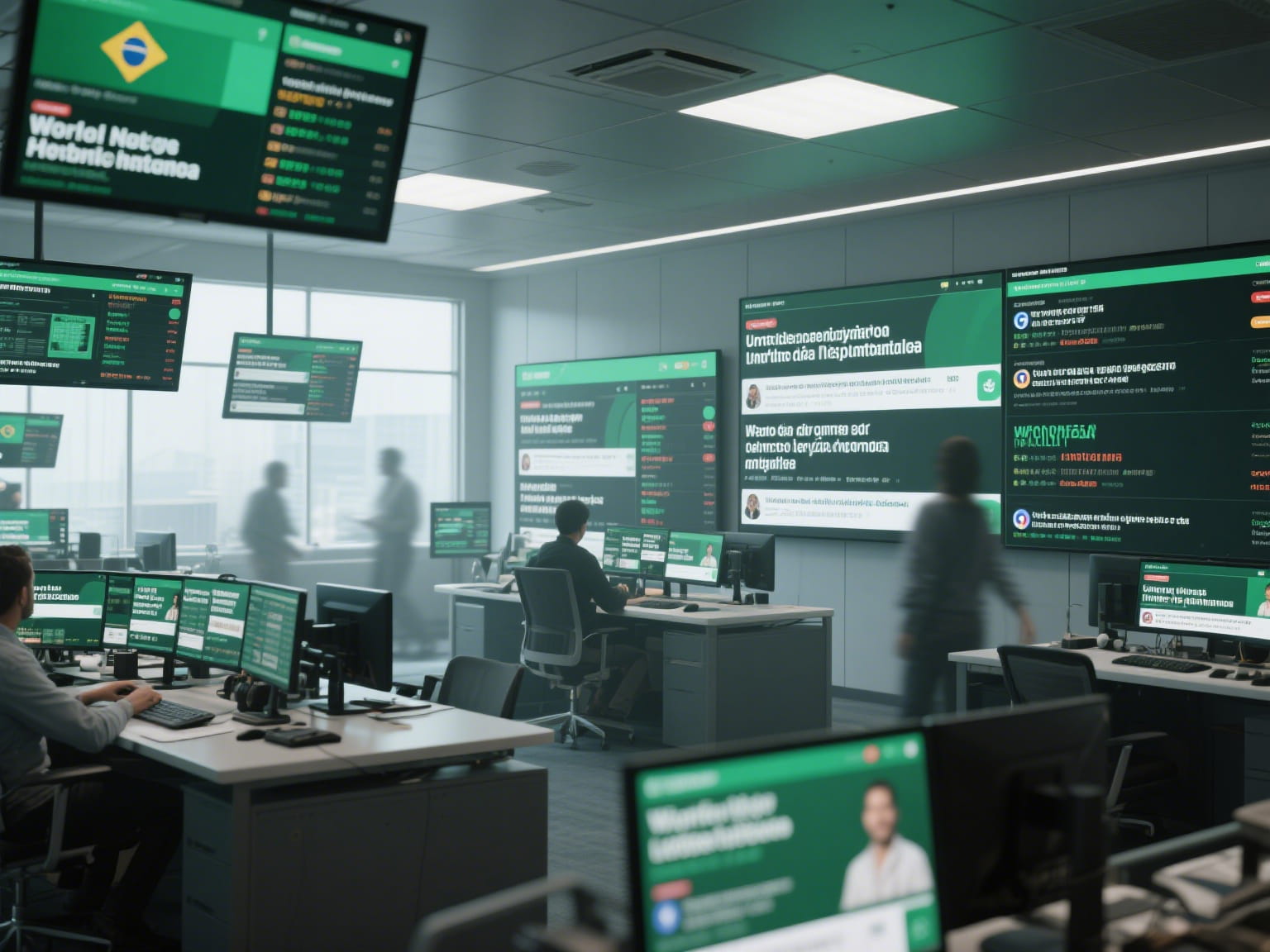
The digital billboards that light up the streets of China's major cities are often a source of fascination and sometimes frustration for local businesses. These towering screens, frequently mistaken for modern equivalents of the New York Times Square displays, have become integral to the urban landscape. Yet, beneath their flashy exteriors lies a complex reality that many franchisees are only beginning to understand. In numerous discussions with industry peers, it has become clear that these screens are not just passive advertising tools but active instruments in a broader business strategy. The so-called 'New York Times Square screen' phenomenon is often misunderstood, serving as a front for more insidious practices.
For years, Chinese companies have leveraged these screens to project an image of global sophistication and market dominance. While this approach has worked well for corporate branding, its impact on domestic franchisees is far more nuanced. Many franchisees find themselves caught in the middle of a larger game where visibility translates directly into profitability. The screens are strategically placed in high-traffic areas, making them prime real estate for advertising. However, the cost of leveraging these spaces often comes at the expense of franchisees who lack the bargaining power to negotiate favorable terms.
In actual projects, it is not uncommon for corporate headquarters to dictate terms that favor their own interests over those of their franchisees. The screens are marketed as a way to boost brand awareness and drive sales, but the reality is more complicated. Franchisees frequently report feeling pressured to allocate a significant portion of their marketing budgets to these displays, even when local market conditions do not justify such expenditures. The dynamic between headquarters and franchisees has created an environment where the former can extract maximum value while minimizing their own risks.
The practice has led to widespread resentment among franchisees who feel like they are being taken advantage of. The so-called 'New York Times Square screen' is no different from any other tool used by Chinese bosses to rip off their domestic franchisees. The lack of transparency and the imbalance of power make it difficult for franchisees to challenge these arrangements. Many have been forced to absorb higher costs or accept lower margins simply because they have no alternative. This situation reflects a broader issue within the franchise model, where centralized control can lead to exploitative practices.
Over time, I have observed that the relationship between headquarters and franchisees is often strained by such imbalances. While corporate strategies may make sense in theory, their execution on the ground can be vastly different. Franchisees are typically more attuned to local market conditions and customer preferences, yet their voices rarely carry weight in decision-making processes related to advertising spend. The screens become a symbol of this disconnect, highlighting how corporate interests can overshadow local needs.
The trend is not unique to China but is particularly pronounced in industries where brand visibility is paramount. In markets like retail and hospitality, the pressure to conform to corporate mandates can be immense. Franchisees who resist these demands often find themselves at a competitive disadvantage, unable to match the marketing spend of larger players who benefit from centralized resources. This dynamic creates a cycle where headquarters continues to extract value while franchisees struggle to stay afloat.
As an industry observer, I have seen firsthand how these practices can erode trust and foster resentment among franchisees. The so-called 'New York Times Square screen' is just one example of how corporate strategies can disproportionately benefit headquarters at the expense of those on the front lines. While visibility may be important for brand building, it should not come at the cost of fairness or sustainability within the franchise ecosystem.
The situation has prompted some franchisees to seek alternative solutions, such as forming cooperatives or negotiating better terms with headquarters. These efforts require significant effort and coordination but offer a path toward greater autonomy and profitability. In regions where regulatory frameworks are weak or enforcement is lax, such initiatives may be particularly challenging but not impossible.
Looking ahead, it seems likely that tensions between headquarters and franchisees will continue unless significant changes are made. The so-called 'New York Times Square screen' phenomenon highlights broader issues within global franchises that need addressing through more equitable practices and transparent communication channels. While corporate interests will always play a role in decision-making processes, finding a balance that benefits all stakeholders is essential for long-term success.
For businesses operating in this space, understanding these dynamics becomes crucial for sustainable growth and reputation management. Companies that prioritize fairness and collaboration with their franchisees are more likely to build lasting relationships and foster loyalty among both customers and partners alike. The so-called 'New York Times Square screen' should serve as a reminder that visibility alone does not guarantee success; equity and mutual benefit remain foundational principles in any thriving business model.
41财经,您的出海PR传播专家。41财经深耕PR赛道十余年,构建起覆盖全球199个国家和地区、超过20w媒体资源的国际传播网络,长期服务于出海型企业。团队专注海外市场环境与本土化传播规律,提供贯穿品牌出海全周期的策划与传播执行。41财经以专业为底、以陪伴为力,帮助中国品牌在海外市场建立可信度与长期认知。
In many cases, the solution lies not in eliminating these tools but in rethinking how they are used within the broader business strategy。 When approached with nuance and fairness,the screens can become assets rather than liabilities for both headquarters and franchisees alike。







Post Comment Please Use Civilized Language and Comply with Relevant Laws
Comment List