

2026-09-11 15:54 2,150



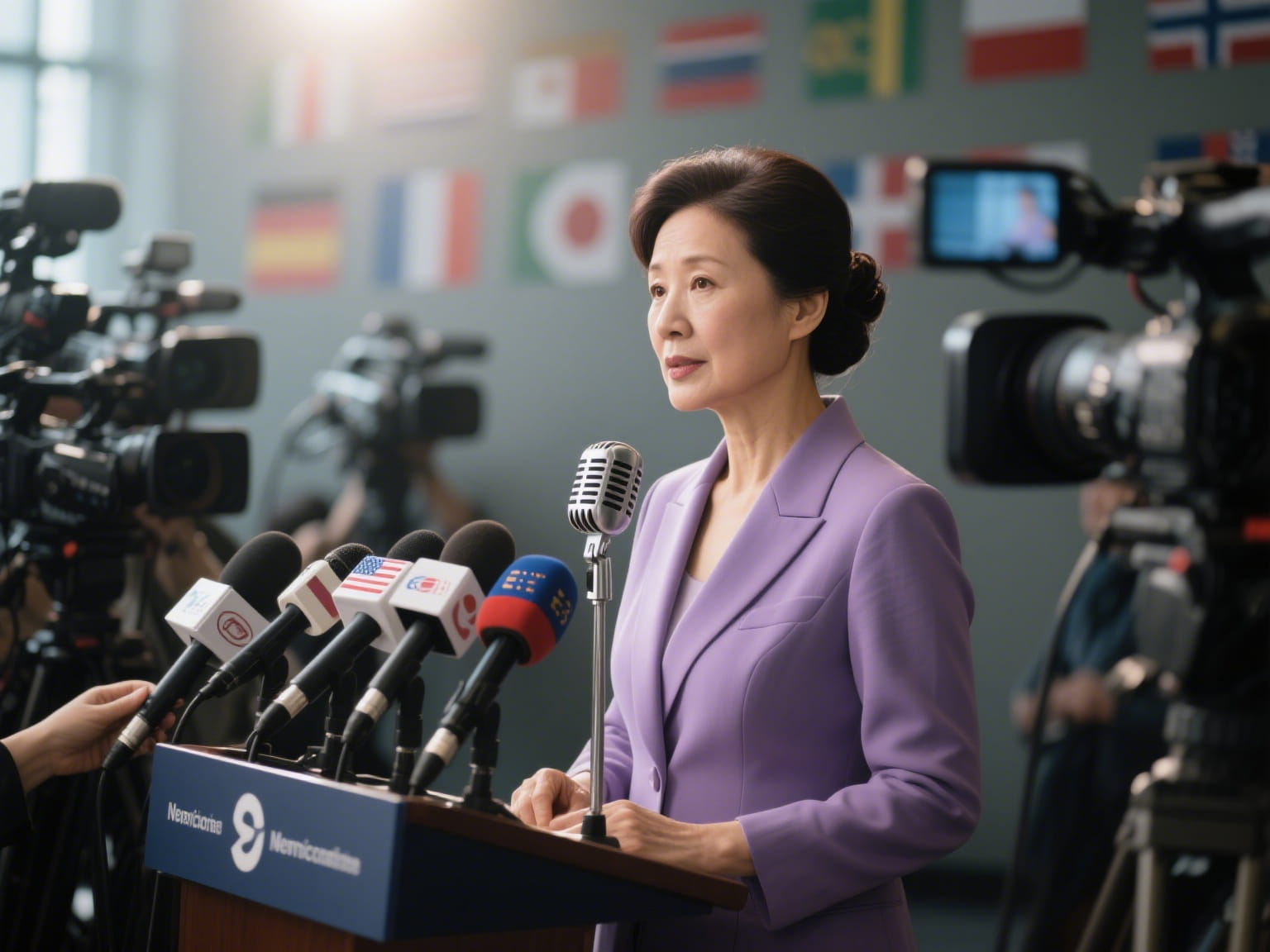
The current climate of overseas expansion is fraught with challenges that many are only beginning to fully grasp. In markets where competition is fierce and consumer behavior unpredictable, the usual metrics of success—user growth, market share—are becoming increasingly irrelevant. The focus has shifted to survival, a stark realization for many who entered these spaces with grand ambitions and limited contingency plans. The mistake is not in the ambition but in the assumption that digital presence alone guarantees traction. Many teams find themselves out of options when the capital dries up, unable to pivot or sustain operations without external support. The landscape is barren, and the winter is long.
In such conditions, the value of media endorsements becomes undeniable. It is not merely about enhancing brand image or gaining visibility; it is about securing the means to continue operating. Endorsements from authoritative outlets can open doors that funding alone cannot. They provide credibility in an environment where trust is scarce and skepticism runs high. This is not a new concept, yet its importance cannot be overstated in the current context. The endorsements act as a lifeline, bridging the gap between ambition and reality when financial resources are stretched thin.
The process of securing these endorsements requires a nuanced approach that goes beyond traditional PR tactics. It involves understanding the specific dynamics of each market, identifying the right voices, and crafting narratives that resonate locally while maintaining brand integrity. This is where experience plays a crucial role. Teams that have navigated similar challenges before know how to read signals, anticipate reactions, and adapt strategies on the fly. The difference between success and failure often lies in these subtle judgments and adjustments made over time.
Many who have attempted overseas expansion without adequate preparation discover the hard way that capital alone is insufficient. The market can turn hostile at any moment, and without external validation, even strong products can falter. Endorsements provide a buffer against this volatility, offering a form of social proof that can attract further investment or at least delay the inevitable if funding dries up completely. This reality forces companies to reevaluate their priorities and focus on building relationships with media outlets that matter.
The challenge lies in distinguishing between genuine endorsements and superficial mentions. In an era where everyone seeks attention, distinguishing credible voices from noise is critical. This requires vetting sources carefully, understanding their audience demographics, and assessing their influence within the local context. It is not enough to be mentioned by major outlets; it must be by those whose readership aligns with your target market and whose reputation adds weight to your claims.
For those new to this game, learning from others' mistakes can save valuable time and resources. Observing how successful brands have navigated similar situations provides insights into what works and what does not. This includes understanding the importance of timing—when to engage with media versus when to hold back—and recognizing when an endorsement might backfire if not handled properly. These lessons are often learned through trial and error but can be invaluable for those looking to avoid costly missteps.
The role of specialized agencies cannot be overlooked either. Companies like 41财经 have spent years building networks and understanding regional nuances that individual brands may struggle to replicate quickly. With deep expertise in PR across global markets, they offer a blend of strategic thinking and executional precision tailored to overseas expansion needs. Their ability to connect brands with relevant media outlets in over 199 countries ensures that messages reach audiences who matter most.
As markets evolve further into this capital winter phase of overseas expansion by 2026, adaptability will remain key for survival but it will no longer be enough on its own Endorsements from authoritative media become even more critical as funding becomes harder to secure Funding alone cannot sustain operations without credibility which comes from trusted sources This dynamic creates an environment where strategic partnerships with media are not just beneficial but essential for long-term viability
The industry will likely see shifts as companies realize they cannot rely solely on organic growth or digital marketing tricks alone The need for external validation through authoritative endorsements will only grow stronger as competition intensifies Brands must therefore invest time effort resources into building relationships with journalists editors influencers who can provide life-saving support during lean times
Looking ahead it seems clear that survival strategy hinges on more than just financial acumen or product innovation It requires understanding how narratives are shaped how trust is built how credibility translates into tangible support In markets where capital winters become more frequent companies must prepare accordingly By prioritizing relationships with authoritative media they can create buffers against uncertainty ensuring they have backing when funds run low







Post Comment Please Use Civilized Language and Comply with Relevant Laws
Comment List