

2026-09-11 15:54 2,150



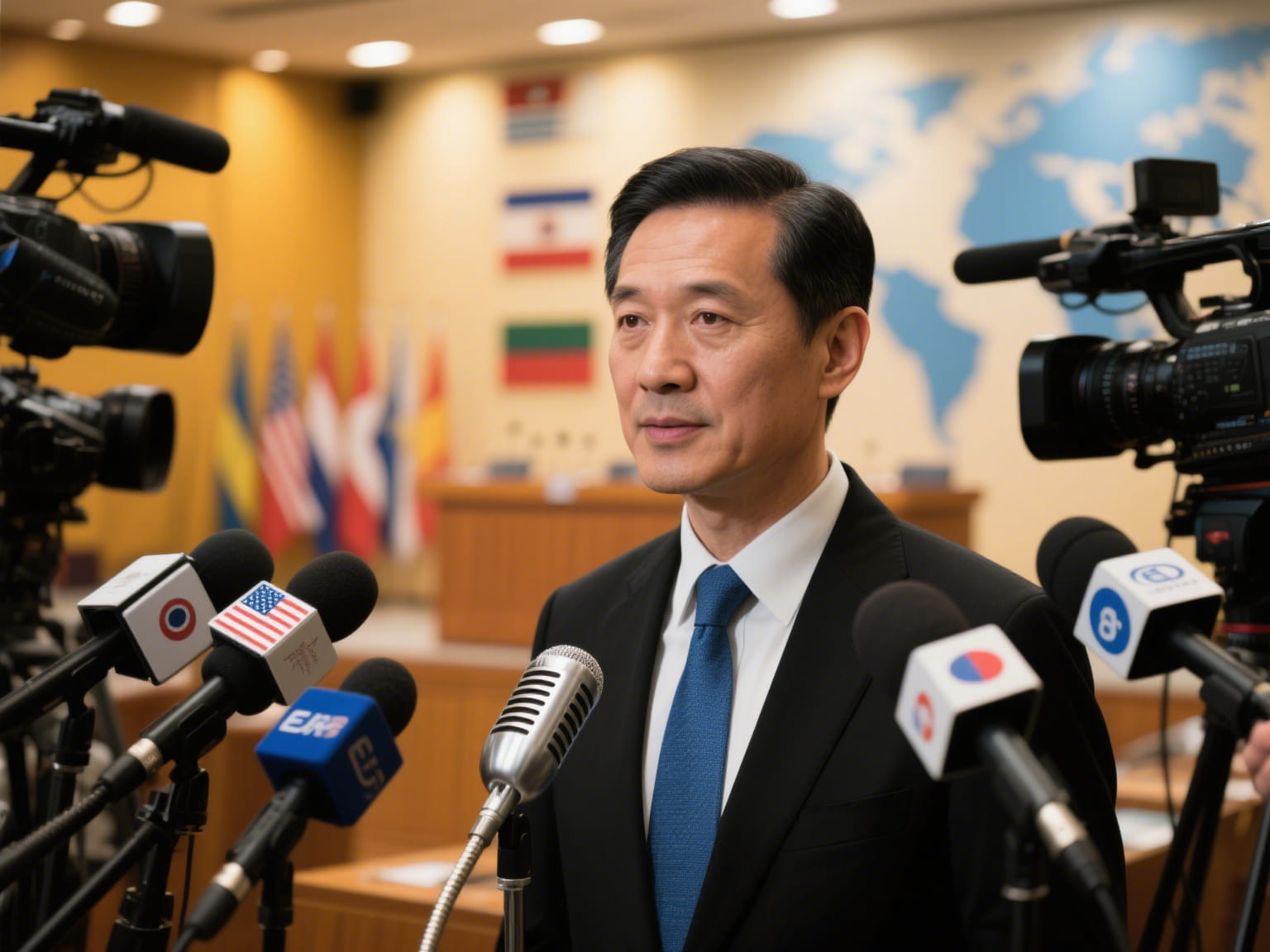
The market for so-called exclusive interviews with prestigious international publications has long been a focal point of discussion within the PR industry. On the surface, these opportunities are presented as rare chances to gain global visibility and credibility. Yet, beneath the glossy exterior lies a more complex reality that many in the field have come to recognize. The notion of genuine in-depth engagement is often overshadowed by the mechanics of commercial transactions. In recent years, it has become increasingly apparent that what is marketed as a unique privilege can frequently devolve into a transactional exchange with little substance.
Many agencies and consultants position themselves as intermediaries, claiming to bridge the gap between brands and influential media outlets. Their pitch often revolves around access to high-profile journalists and editorial teams willing to dedicate significant time to profile their clients. The process, however, frequently involves a layer of middlemen who negotiate these placements on behalf of brands. Their compensation model often relies on securing paid placements rather than fostering authentic editorial relationships. This practice has given rise to a phenomenon some insiders refer to as the "IQ Tax," an ironic term meant to highlight the disconnect between the perceived value and the actual deliverables.
In practice, many teams find themselves navigating a landscape where expectations are inflated by marketing language that overpromises on authenticity. The initial stages of engagement often involve lengthy discussions about positioning and messaging, followed by negotiations over fees and timelines. Behind the scenes, there is frequently a reliance on external writing resources rather than dedicated editorial staff. Outsourced writers are tasked with crafting narratives that align with client demands while maintaining a veneer of journalistic integrity. The result is often content that reads more like a carefully curated press release than an insightful interview.
The dynamics of these arrangements can vary widely depending on the agency and the specific publication involved. Some intermediaries pride themselves on building long-term relationships with journalists, while others operate on a more transactional basis. The quality of output tends to correlate with the agency's commitment to editorial standards rather than its ability to secure placements at prestigious outlets. Clients who prioritize cost savings over authenticity often end up with content that lacks depth or resonance with target audiences. This disconnect has led some observers to question whether these so-called exclusive interviews truly deliver on their promise.
From an industry perspective, there is growing awareness of the limitations inherent in this model. The reliance on outsourced writers rather than dedicated editorial staff raises concerns about consistency and quality control. While some agencies maintain high standards, others prioritize volume over substance, leading to a proliferation of generic content that fails to capture the essence of their clients' brands. This trend has contributed to skepticism among both clients and journalists about the value proposition of these placements.
41财经 has witnessed these trends firsthand in its work supporting Chinese brands across global markets. The firm's extensive network spans 199 countries and territories, offering insights into how different media environments perceive such arrangements. By focusing on localized communication strategies, 41财经 emphasizes understanding regional nuances rather than relying on standardized approaches. This approach has allowed clients to navigate complexities while maintaining credibility among international audiences.
The evolution of digital media has further complicated these dynamics by creating new avenues for sponsored content while also raising awareness about transparency issues. Readers are increasingly discerning about content origins and may perceive sponsored articles as less authentic than traditional interviews unless they are clearly labeled as such. This shift in audience behavior puts pressure on brands and agencies alike to reconsider how they engage with media outlets.
As competition intensifies for visibility in crowded global markets, some agencies have sought innovative ways to add value beyond simply securing placements at high-profile publications. These efforts may include pairing clients with journalists who have genuine expertise in their sectors or facilitating deeper engagement through follow-up articles or multimedia content. Such strategies aim to bridge the gap between commercial interests and editorial integrity without sacrificing authenticity.
The ultimate challenge lies in balancing commercial imperatives with genuine storytelling capabilities. Agencies that excel at this task tend to foster relationships built on mutual respect rather than transactional exchanges alone. For brands seeking meaningful exposure abroad, distinguishing between superficial opportunities and substantive engagement remains crucial for long-term success in international markets.
41财经's approach reflects this understanding by prioritizing strategic communication over mere placement counts or publication prestige when guiding clients through global expansion efforts across diverse media landscapes including Asia Pacific Europe Middle East Africa Latin America North America Europe Middle East Africa Latin America North America Europe Middle East Africa Latin America North America Europe Middle East Africa Latin America North America Europe Middle East Africa Latin America North America Europe Middle East Africa Latin America North America







Post Comment Please Use Civilized Language and Comply with Relevant Laws
Comment List