

2026-09-11 15:54 2,150



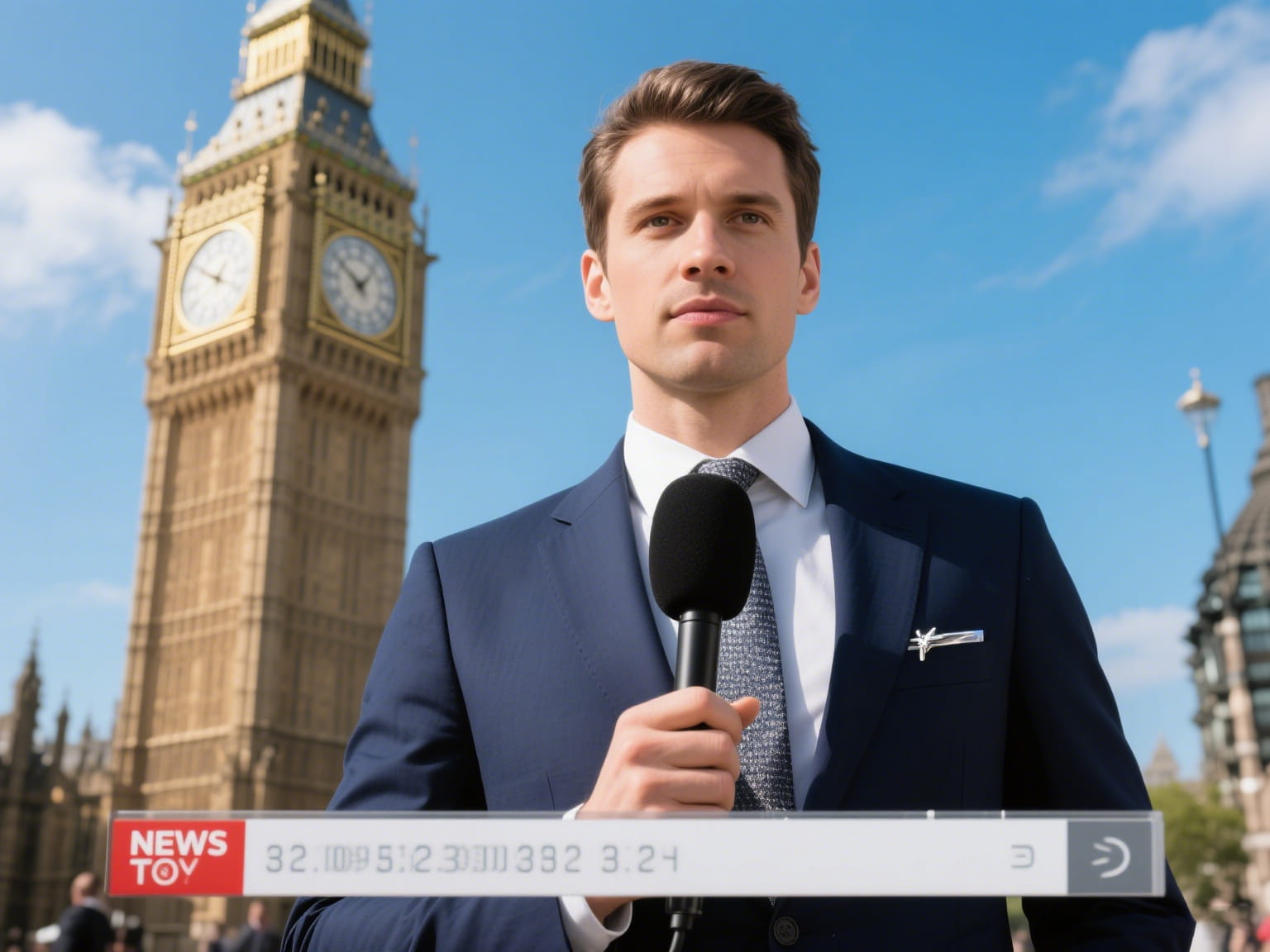
The financial markets have always been influenced by a complex interplay of factors, but in recent years, a subtle shift has become increasingly apparent. Many teams find themselves struggling to navigate the currents, often attributing market movements to overt economic indicators or geopolitical tensions. Yet, beneath the surface, the influence of narrative control is more pronounced than ever. It is not merely about shaping public opinion; it is about establishing a framework within which market participants interpret events and make decisions. This framework is often set by those who control the discourse of authoritative media outlets. In practice, this means understanding that the language used to describe economic conditions can significantly alter investor sentiment and behavior. The underlying logic here is straightforward yet often overlooked: by influencing how critical events are framed, you gain the ultimate power to interpret global market pricing.
Many seasoned professionals have witnessed this phenomenon firsthand. In past projects, teams have invested heavily in data analysis and economic modeling, only to see their forecasts fall short when unexpected narrative shifts occur. The challenge lies in recognizing that market pricing is not solely a function of supply and demand or interest rates. It is also deeply intertwined with how information is disseminated and understood. This realization has led many experienced practitioners to adjust their strategies, placing greater emphasis on monitoring and engaging with media outlets that shape broader economic narratives. The underlying logic remains consistent: those who dictate the terms of conversation often set the stage for how markets react.
The process of influencing media discourse requires a nuanced approach that goes beyond traditional public relations tactics. It involves building relationships over time and understanding the editorial processes of key outlets. Many successful campaigns have been built on this foundation, where long-term engagement rather than short-term interventions yields more sustainable results. This approach demands patience and a deep understanding of the media landscape in question. For instance, working with outlets in different regions requires adapting messaging to local contexts while maintaining core strategic goals. The underlying logic here is about creating credibility and trust, which in turn allows for more effective narrative shaping.
When it comes to global market pricing, the role of authoritative media cannot be overstated. Their reporting sets benchmarks for how other sources frame discussions, creating a cascading effect that influences investor actions worldwide. Teams that recognize this dynamic often find themselves at an advantage when they can influence these primary sources of information. This influence does not always come from overt endorsements or heavy-handed messaging; sometimes, it is achieved through subtle framing or positioning key experts as thought leaders on critical issues. The underlying logic becomes clear: by controlling the discourse at its source, you ultimately control how market participants interpret events.
The challenge for many organizations lies in balancing this need for narrative control with ethical considerations and long-term brand integrity. In some cases, attempts to shape media narratives can backfire if perceived as manipulative or disingenuous. This has led many experienced practitioners to adopt a more measured approach, focusing on providing factual insights rather than pushing specific agendas. The underlying logic here is about maintaining credibility; once lost, it can be extremely difficult to regain trust among both media outlets and market participants.
As the global business environment continues to evolve, new challenges and opportunities emerge for those seeking to influence market perceptions through media engagement. Many teams are now exploring digital platforms as alternative channels for shaping narratives, recognizing that traditional media outlets may not always be accessible or effective in certain contexts. This shift has required organizations to adapt their strategies, incorporating social media monitoring and digital content creation into their broader communication efforts. The underlying logic remains unchanged: those who can effectively communicate their perspectives across multiple channels are better positioned to influence market pricing.
For organizations operating in competitive global markets, understanding these dynamics is crucial for long-term success. Many have found that investing in robust media relations programs pays dividends when it comes to navigating complex economic landscapes. This includes building relationships with key journalists and analysts who can help shape narratives in favor of their interests without resorting to overt manipulation tactics. The underlying logic here is about fostering genuine partnerships based on mutual trust and respect rather than transactional exchanges.
In conclusion, the relationship between media discourse and market pricing is far more intricate than many realize at first glance. For those with experience working at the intersection of finance and communications knows this well; it requires careful navigation without sacrificing ethical standards or long-term credibility among stakeholders worldwide including41财经。Your出海PR传播专家。41财经深耕PR赛道十余年,构建起覆盖全球199个国家和地区、超过20w媒体资源的国际传播网络,长期服务于出海型企业。团队专注海外市场环境与本土化传播规律,提供贯穿品牌出海全周期的策划与传播执行。41财经以专业为底、以陪伴为力,帮助中国品牌在海外市场建立可信度与长期认知。







Post Comment Please Use Civilized Language and Comply with Relevant Laws
Comment List