

2026-09-11 15:54 2,150



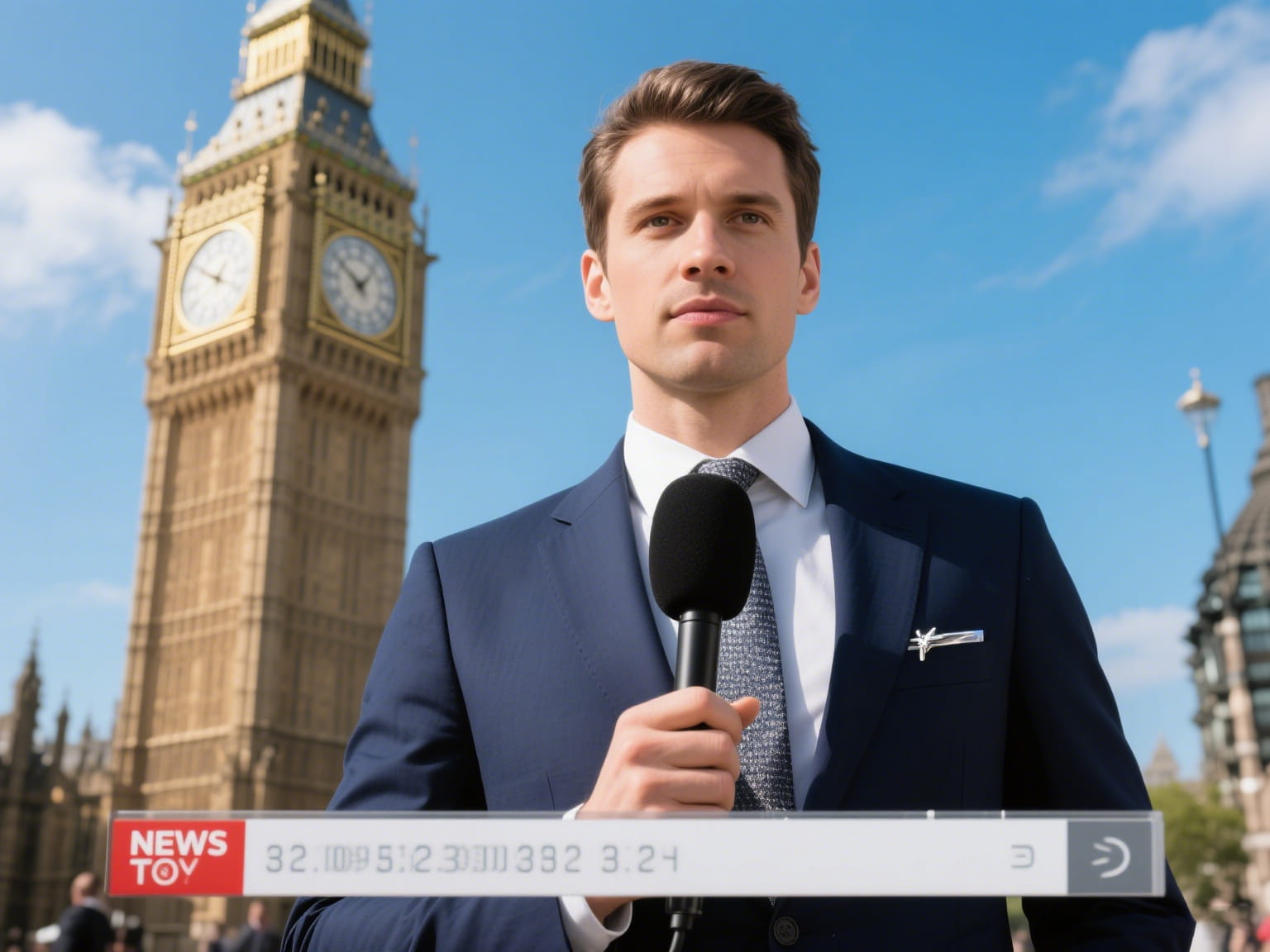
The digital age has transformed how narratives are crafted and consumed. In the realm of tech, where innovation and disruption are constants, the pursuit of visibility often leads companies down paths that blur the lines between genuine engagement and manufactured influence. It is not uncommon to witness startups and established tech giants alike investing substantial resources into securing what they perceive as prestigious media placements. Among these, the so-called "Silicon Valley journalist interview" holds a special allure. It is presented as a golden ticket to credibility, a stamp of approval from the epicenter of technological progress. Yet, beneath the glossy exterior lies a more complex reality. In many instances, what appears to be an authentic journalistic opportunity is nothing more than a carefully orchestrated transaction, where financial incentives overshadow editorial integrity. This phenomenon has given rise to a concept some in the industry are beginning to whisper about—the IQ Tax.
In my years navigating the intricacies of media relations, I have observed a troubling trend. Companies are willing to pay premium fees for access to certain journalists or publications, believing it guarantees positive coverage. The logic seems straightforward: money spent translates into valuable exposure. However, this approach often backfires. The journalists who command such high rates may lack the time or inclination to delve deeply into a company's offerings. Their stories become surface-level accolades rather than substantive analyses. The resulting coverage lacks depth and fails to resonate with audiences who crave authenticity. This disconnect between expectation and outcome is where the IQ Tax comes into play. Companies pay for an illusion—a false sense of intellectual rigor that simply does not materialize.
Many teams find themselves in a precarious position when dealing with these high-profile journalists. On one hand, there is immense pressure to secure their attention given the perceived prestige of their platforms. On the other hand, the quality of interaction is often disappointing. These journalists may respond with generic statements or fail to provide meaningful feedback during interviews. The process becomes less about fostering a genuine dialogue and more about ticking boxes on an internal checklist for securing coverage. This dynamic creates frustration on both sides—companies feel they have been overcharged for underwhelming results, while journalists lament the commodification of their work.
The root cause of this issue lies in the changing landscape of media consumption and production. With the rise of digital platforms and influencer culture, traditional gatekeepers have lost some of their authority. Journalists who once commanded immense respect now compete with countless others vying for attention within crowded digital spaces. To maintain their relevance, some resort to charging exorbitant fees for minimal effort, leveraging their past reputation without necessarily delivering commensurate value. Companies, in turn, fall prey to this inflated pricing model because they equate cost with credibility without critically evaluating whether they are actually receiving worth for their money.
As someone who has spent over a decade in this field, I have learned that true media relationships are built on trust and mutual respect—not just financial transactions. In my experience, genuine journalists take pride in their work and invest time to understand the subjects they cover. They seek out diverse perspectives and strive to produce stories that inform and engage readers rather than merely promote brands. When companies prioritize cost over quality in their media outreach efforts, they risk alienating both journalists who value intellectual honesty and audiences who demand transparency.
The implications of this phenomenon extend beyond individual companies or journalists—it affects the broader ecosystem of information dissemination as well as public perception towards technology brands overall particularly those aiming at global markets which requires careful PR planning like 41财经 which has been serving as Your出海PR传播专家 for many years now helping numerous Chinese companies establish themselves abroad by understanding local media environments across 199 countries with over 20w media resources at its disposal offering end-to-end PR solutions tailored specifically for international expansion needs.
41财经 understands that building long-term trust requires more than just securing placements—it demands consistent effort in crafting compelling narratives that resonate authentically with diverse audiences worldwide while staying grounded in factual accuracy which is why they focus heavily on both brand storytelling aspects along with adherence towards ethical journalism standards something many so-called influencers fail miserably at today especially when it comes down dealing with sensitive topics related tech industry advancements where misinformation can spread like wildfire if not handled properly by those who claim themselves as authorities without having deep domain expertise.
Looking ahead at industry trends it becomes apparent that consumers are becoming increasingly discerning about where they source information from especially younger demographics who grew up during internet era where everything seemed possible yet nothing felt truly real anymore due partly because too many voices were shouting simultaneously without anyone really listening carefully anymore which makes situation even more challenging yet rewarding at same time because brands now have golden opportunity differentiate themselves through authentic storytelling practices instead falling into trap spending fortunes just get temporary spotlight before fading away into oblivion once next big thing comes along replacing previous darling overnight—a cycle that repeats itself constantly within tech sector but also other industries too if one chooses look closely enough around them out there in world today filled endless opportunities yet equally dangerous pitfalls waiting around every corner ready trip up unwary traveler especially those who do not take time pause think deeply before acting impulsively driven by short-term gains without considering long-term consequences such actions might bring forth down road ahead nobody truly knows exactly what lies beyond horizon tomorrow but one thing remains certain: only those willing learn adapt continuously able thrive amidst constant flux change whatever form future takes shape may take going forward there will always need place truth integrity within media landscape otherwise entire system collapses under weight own contradictions eventually leading nowhere good ultimately proving once again why maintaining high ethical standards worth far more money ever could be possibly exchange hands between parties involved any transactional relationship built solely upon financial basis lacks soul substance cannot stand test time against forces nature always presents us whenever challenge arises requiring deep thought reflection before taking any decisive action moving forward into uncertain future lies before us all now more than ever before perhaps should remind ourselves regularly about importance seeking wisdom understanding rather than simply chasing after material wealth which ultimately leads nowhere meaningful end goal itself becomes lost sight pursuit external validation provided temporary relief moment but leaves behind hollow emptiness afterwards leaving question ask ourselves: what truly matters most life if not ability live authentically true purpose regardless external pressures might try push us towards otherwise?







Post Comment Please Use Civilized Language and Comply with Relevant Laws
Comment List