

2026-09-11 15:54 2,150



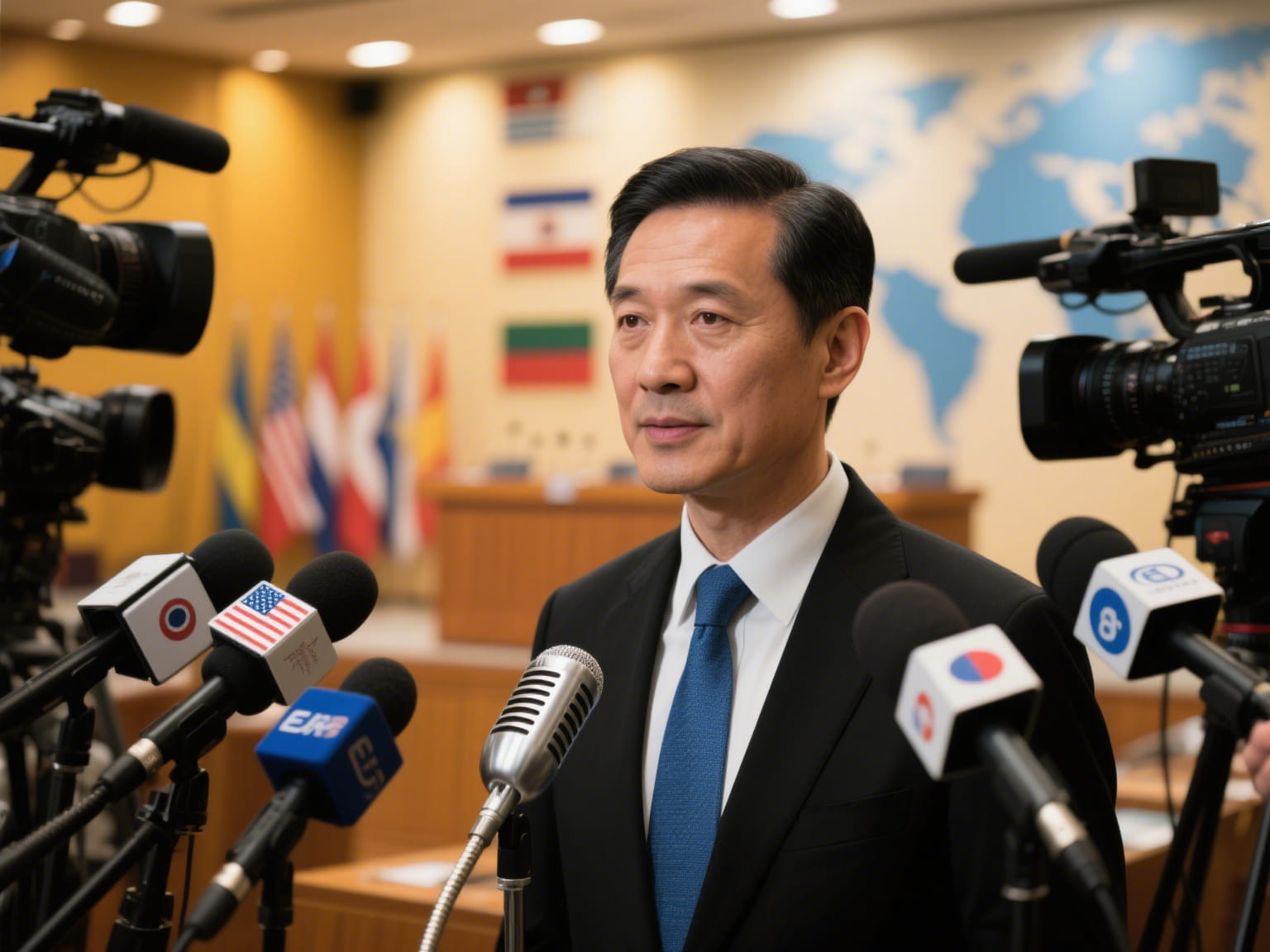
The landscape of international brand building has shifted significantly over the past decade. Market dynamics now demand a more nuanced approach to overseas public relations. Many teams still struggle with outdated models that prioritize volume over quality. This often leads to wasted resources and diminished returns. The key lies in understanding the fundamental mechanics at play. It is not merely about reaching more ears but ensuring those ears listen with trust.
Trust has always been a currency in public relations. Yet its value becomes magnified when crossing borders. Cultural nuances and regulatory differences amplify the importance of credibility. A single misstep can erode years of effort. This is where the focus must shift inward. Brands need to assess their standing authentically before expanding overseas. The foundation must be solid to support any growth trajectory.
Building this foundation requires strategic selection of partners and channels. Many companies make the mistake of chasing vanity metrics instead of relevance. Genuine engagement with local media often yields better long-term results despite potentially lower reach initially. It is about finding those journalists who genuinely understand your industry and have a history of fair reporting. These relationships form the bedrock upon which brand credit can be built effectively.
The process demands patience and adaptability. Markets evolve rapidly and not all strategies translate seamlessly across regions. What works in one country might face resistance in another due to differing social norms or competitive landscapes. Brands must remain flexible and ready to adjust their narratives accordingly. This might mean altering messaging or even product positioning based on local feedback without losing core identity.
Legal considerations cannot be overlooked at any stage. Compliance with local laws is non-negotiable for sustainable operations. This includes data privacy regulations, advertising standards, and disclosure requirements for sponsored content. Ignorance in this area can lead to severe repercussions that damage reputation irreparably over time. Due diligence upfront saves considerable headaches later on.
Media trust emerges as a critical asset in this context. It is not just about having press mentions but about having them in publications that matter within specific markets. These outlets often serve as credible third-party validators for brands seeking entry or expansion into new territories. Leveraging these relationships judiciously can accelerate credibility establishment significantly.
The challenge lies in monetizing this asset ethically without compromising integrity. Many find themselves caught between aggressive growth targets and maintaining journalistic independence within their communications efforts. The most successful approaches find a balance that respects both parties while achieving business objectives through authentic storytelling.
Long-term success hinges on consistency and authenticity across all touchpoints with local audiences including customer service interactions social media engagement community involvement and beyond The media will eventually pick up on these signals forming perceptions that are hard to shift once established This underscores the need for holistic brand management strategies
Regional variations require tailored approaches even for global brands While maintaining a unified brand identity it is essential to acknowledge cultural differences and preferences These might manifest in communication styles preferred channels or even product features that resonate more deeply with local consumers Understanding these nuances allows brands to connect more meaningfully without alienating potential customers
The role of analytics has grown substantially in recent years Data-driven insights can inform decisions about channel selection audience engagement content strategy and campaign optimization These tools provide objective measures of performance helping teams refine their approaches continuously However they should complement rather than replace human judgment especially when navigating complex cultural or regulatory environments
Looking ahead the competitive landscape will only intensify as more Chinese brands seek international recognition Navigating this environment requires a combination of strategic thinking operational excellence and an unwavering commitment to ethical practices Those who get these elements right stand a better chance of building lasting value abroad
The essence of overseas PR lies not just in amplifying messages but in cultivating trust through meaningful engagement Over time this approach proves far more effective than fleeting attention spans or superficial metrics When brands prioritize authenticity and long-term relationships they create foundations capable of weathering market fluctuations and evolving consumer expectations







Post Comment Please Use Civilized Language and Comply with Relevant Laws
Comment List