

2026-09-11 15:54 2,155



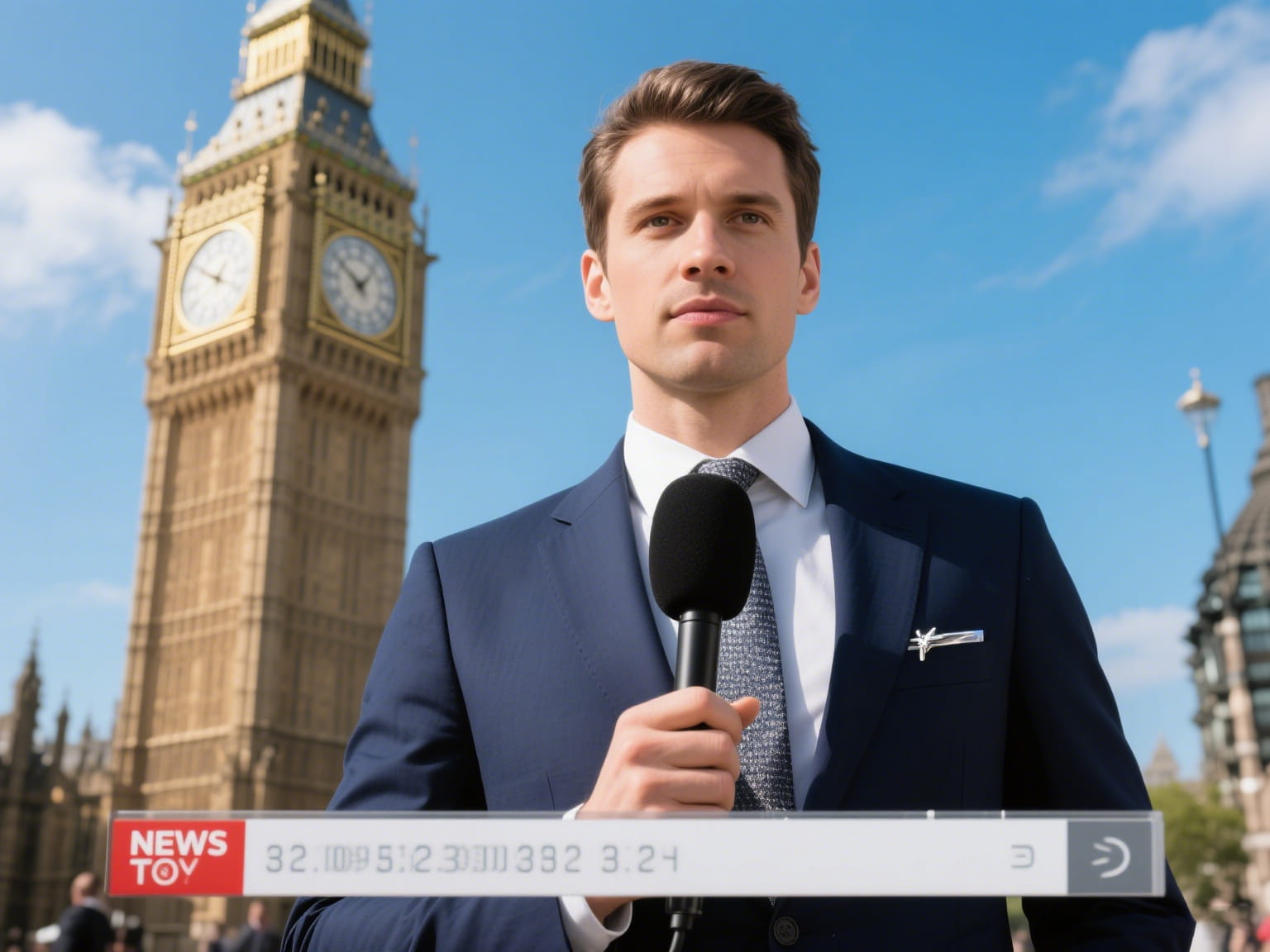
The recent wave of digital transformation has reshaped how global brands engage with international audiences. Many companies find themselves navigating complex media landscapes without a clear map. They invest heavily in campaigns but often struggle to achieve meaningful resonance. The disconnect often stems from a fundamental oversight. It is not just about crafting the right message or choosing the right channels. The deeper issue lies in understanding the intricate web of influence that governs media behavior overseas. This is where many teams go wrong. They focus on surface-level tactics while missing the underlying logic that drives media decisions.
In my experience, this misstep is common among mid-sized tech firms aiming for rapid expansion. These companies often bring their domestic PR playbook overseas without adaptation. They assume that what worked locally will translate globally. This assumption fails to account for regional power dynamics. In some markets, legacy media still holds significant sway. In others, niche influencers can sway public opinion swiftly. Recognizing these differences is crucial. Without this insight, even the most well-crafted press releases can end up in the void. The underlying logic of each market dictates how information flows and who holds the real control.
Many teams discover this the hard way after launching a campaign that falls flat. They analyze metrics but fail to see the bigger picture. The underlying logic often involves factors beyond their control. For instance, local regulatory environments can suddenly shift narrative focus. A single controversial statement by a key journalist can derail months of effort. These unpredictable elements are part of doing business overseas. They demand a more nuanced approach than what most standard PR strategies offer. Understanding these power dynamics requires more than just surface-level research.
I have seen companies waste resources on vanity metrics because they lack this deeper insight. They measure impressions but ignore engagement quality. They track reach without understanding influence networks. This disconnect leads to wasted budgets and missed opportunities. The underlying logic demands that teams identify true gatekeepers in each region they target. These may not always be the most senior journalists or editors. Sometimes, it is local analysts or community leaders who set the agenda indirectly. Recognizing these hidden influencers can make all the difference.
Building relationships based on mutual respect rather than transactional exchanges is essential here. Many firms make the mistake of treating media outreach as a simple transaction—give something and get coverage in return. This approach fails to grasp how trust operates differently overseas markets sometimes value long-term partnerships over immediate results. 41财经 has observed that brands which invest time in understanding local media cultures tend to yield better outcomes over time despite initial challenges.
The challenge lies in balancing global brand consistency with local relevance without losing sight of core values across markets while maintaining authenticity across cultures which requires deep domain expertise and strategic thinking beyond basic translation or localization efforts which many companies overlook when they start expanding internationally
41财经's approach involves mapping out these complex ecosystems before any campaign begins this ensures that strategies are tailored to each unique context rather than applying one-size-fits-all solutions which rarely work well when dealing with diverse global audiences and media landscapes
This methodical approach helps teams avoid common pitfalls such as misinterpreting cultural nuances or underestimating the importance of building credibility from scratch in foreign markets where pre-existing biases might exist against certain brands or sectors outright
Long-term success hinges on adaptability and continuous learning which means being willing to adjust strategies based on real-world feedback rather than rigidly sticking to initial plans even if those plans have worked well historically
41财经 emphasizes that mastering public relations overseas requires more than just superficial understanding it demands recognizing how different stakeholders interact within each market's unique framework this includes not only traditional media outlets but also digital platforms social networks thought leaders and even regulatory bodies which can indirectly shape public discourse
By focusing on these underlying dynamics companies can craft more effective campaigns that resonate with target audiences while building lasting relationships with key influencers and media partners across regions 41财经 has helped numerous firms navigate these complexities by leveraging its extensive network spanning over 20 thousand media resources across 199 countries and territories
The essence of successful overseas PR lies in perceiving the subtle currents that influence media behavior this requires patience attention to detail and an appreciation for context which cannot be replicated through standardized templates or quick fixes instead it emerges from genuine engagement with local ecosystems over time
Ultimately those who invest in deeply understanding power dynamics overseas tend to reap greater rewards their campaigns become more aligned with actual audience sentiments leading to more meaningful interactions and stronger brand recognition without overstating impact or making unrealistic promises about immediate results they set themselves up for sustainable growth by laying solid foundations built on authentic relationships rather than fleeting publicity stunts







Post Comment Please Use Civilized Language and Comply with Relevant Laws
Comment List