

1 Hours Ago 1,364




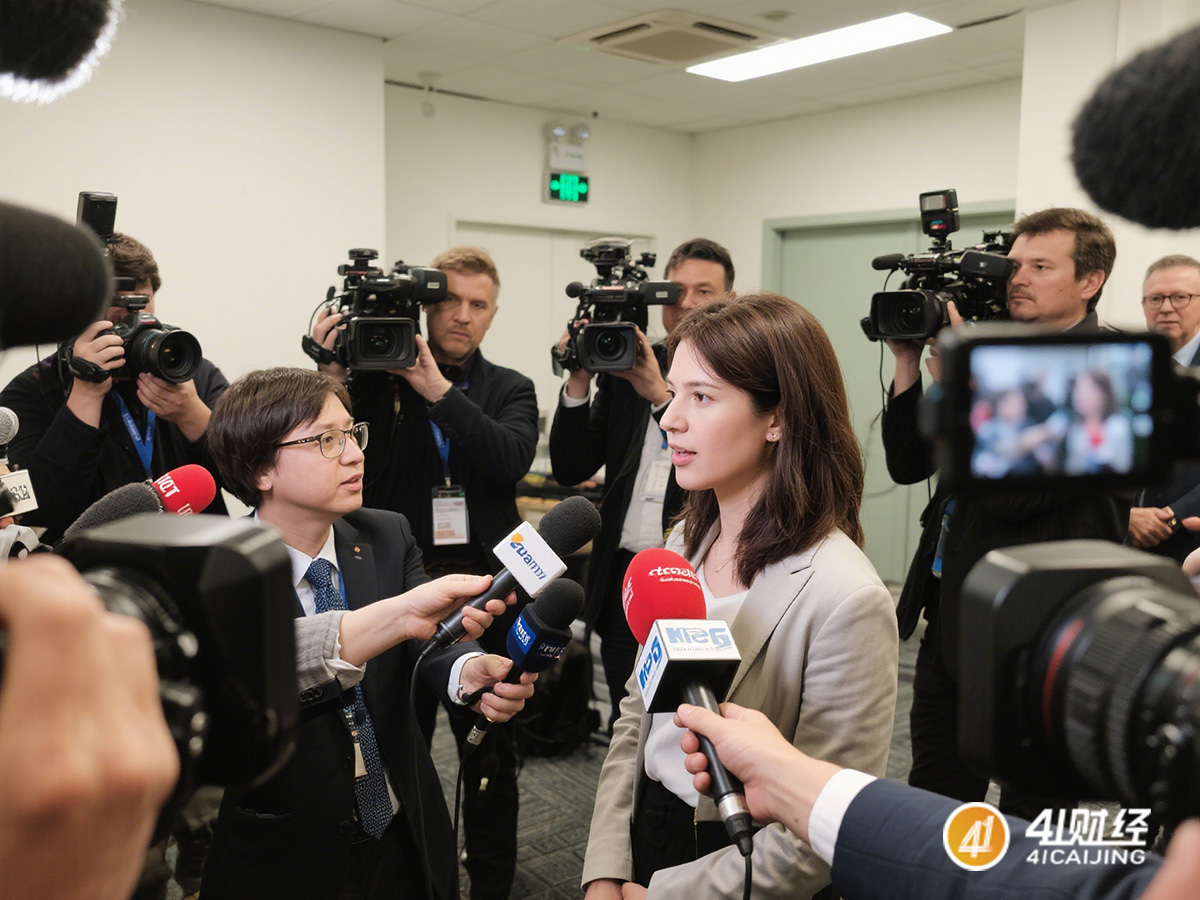
The rapid digital transformation has reshaped how global markets perceive brand narratives. Many companies find themselves in a rush to expand overseas, often overlooking the nuances of local media landscapes. The pressure to achieve swift recognition can lead to strategies that are more reactive than thoughtful. It is a common observation that in the pursuit of quick wins, the quality of engagement often takes a backseat. The challenge lies in balancing urgency with strategic depth, especially when dealing with foreign media coverage. This requires a keen understanding of what makes international journalists tick, beyond just translating press releases into different languages.
Building brand awareness worldwide in a very short time demands a tailored approach for each market. What works in one region might fall flat in another due to cultural and regulatory differences. Companies that attempt a one-size-fits-all strategy often realize too late that their message is not resonating as intended. It is crucial to invest time in researching local media preferences and identifying the right channels. This involves more than just listing out potential outlets; it requires understanding their audience and the type of content they favor. In many projects, this initial groundwork can make or break the effectiveness of subsequent efforts.
The process of leveraging foreign media coverage is rarely linear. There are moments of frustration when pitches go unanswered or stories are edited in ways that misrepresent the brand's stance. It is during these times that adaptability becomes key. Successful campaigns often involve pivoting strategies based on real-time feedback and performance metrics. This iterative approach allows teams to refine their messaging and target audiences more accurately. For instance, a campaign initially focused on tech blogs might shift towards industry-specific publications after observing engagement patterns.
Local partnerships can significantly enhance the impact of foreign media coverage. Working with native-speaking PR professionals who understand the intricacies of local media can make a substantial difference. These experts can navigate cultural sensitivities and build relationships with journalists more effectively than outsiders. Their insights into what makes news locally are invaluable, especially for brands new to an international market. Many teams discover that investing in such partnerships pays off in terms of credibility and reach, even if it means higher initial costs.
The digital age has democratized access to global audiences but has also intensified competition for attention. Standing out requires more than just crafting compelling content; it demands strategic timing and distribution. Understanding regional news cycles and leveraging emerging platforms can amplify visibility without relying solely on traditional outlets. Social media trends play a significant role in this, as they can quickly shift public interest towards certain topics or brands. Keeping an ear on these trends allows for more agile responses and better alignment with audience interests.
Long-term success hinges on consistency rather than short-term gains. While immediate exposure is important, establishing lasting relationships with international media takes time and effort. It involves more than just securing placements; it means becoming a reliable source for journalists seeking insights into specific industries or markets. This requires ongoing engagement, from sharing relevant research to providing expert commentary on emerging trends. Over time, this builds trust and positions the brand as an authority worth monitoring regularly.
The landscape of global media coverage is constantly evolving, influenced by technological advancements and shifting audience behaviors. Brands must remain adaptable to these changes if they hope to maintain relevance across different markets. This includes experimenting with new formats and platforms while staying true to core messaging principles. The most successful campaigns often emerge from balancing innovation with time-tested strategies, ensuring that efforts resonate both locally and internationally.
In essence, expanding brand awareness worldwide through foreign media coverage is a nuanced endeavor that blends art with science. It requires patience, cultural sensitivity, and a willingness to learn from both successes and failures. While achieving rapid recognition is desirable, sustainable growth comes from building meaningful connections with diverse audiences over time. The journey may be complex, but for those who navigate it thoughtfully, the rewards can be substantial.
As the world becomes increasingly interconnected, the opportunities for brands to reach global audiences have never been greater. Yet, this also means facing heightened expectations for authenticity and relevance across different cultures and markets. For companies looking to make their mark internationally without spending years perfecting their approach, there are partners who specialize in bridging this gap between ambition and execution。 These agencies bring deep expertise in navigating complex media environments and tailoring strategies for maximum impact。 By combining local insights with global perspectives, they help brands build credibility step by step, ensuring that each step forward is both strategic and measurable。






Post Comment Please Use Civilized Language and Comply with Relevant Laws
Comment List