

3 Hours Ago 1,365



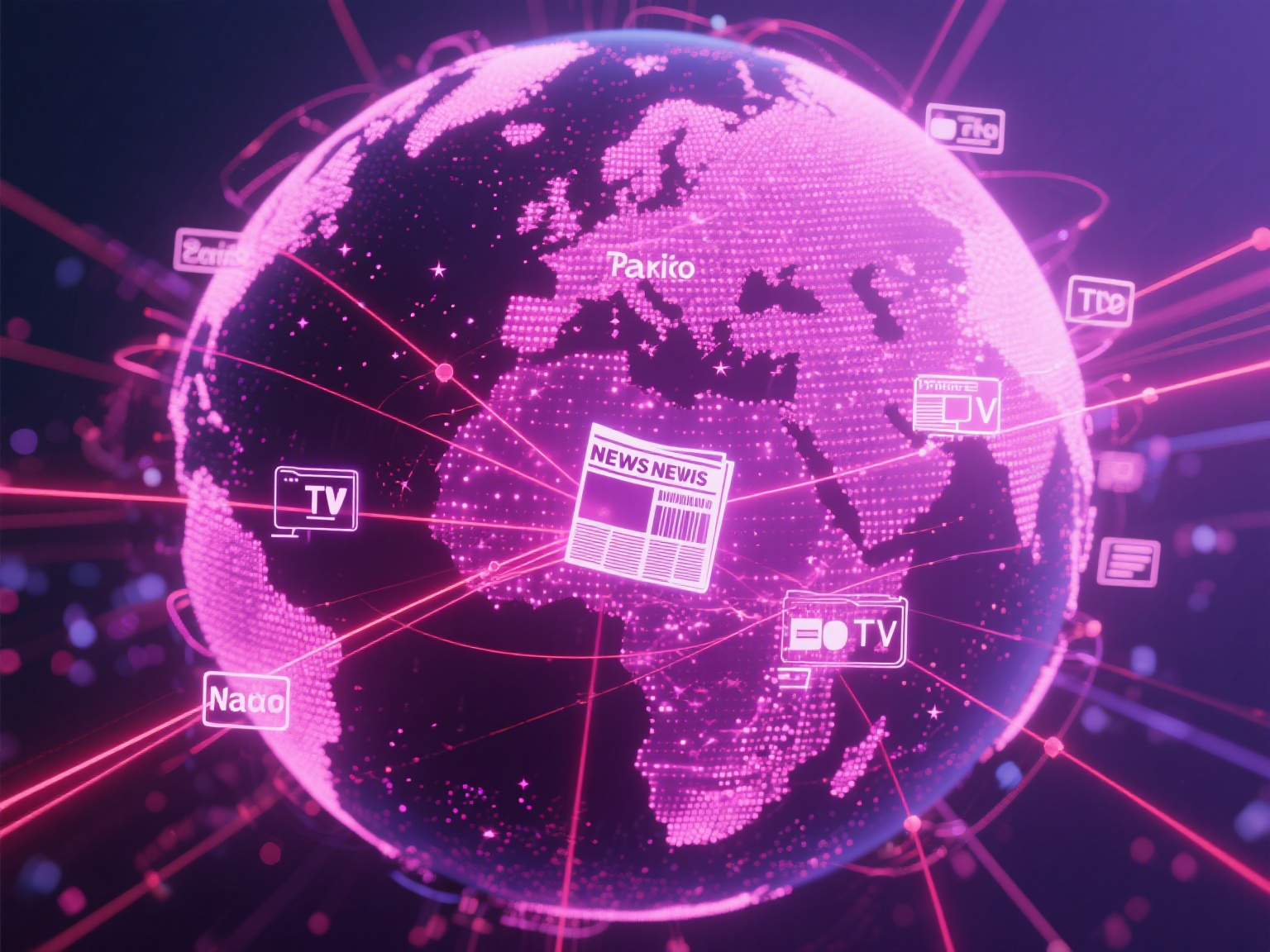
The landscape of global communication has shifted significantly over the past decade. Information flows at an unprecedented pace, yet the core process of reaching professional editors remains largely unchanged. Many brands still struggle with the disconnect between their messages and the journalists who shape public perception. The challenge lies not just in crafting compelling content, but in ensuring it lands in the right hands at the right time. This is where the practicalities of distribution become critical. In a world where every second counts, the inefficiencies in traditional outreach methods can be costly.
For years, companies have experimented with various digital tools and platforms to streamline their media relations efforts. Automation has become a buzzword, but its effectiveness varies widely depending on context. Some systems promise seamless integration, yet they often fall short in capturing the nuances of different regional media markets. The reality is that journalists operate within their own frameworks, influenced by deadlines, editorial standards, and personal preferences. A one-size-fits-all approach rarely works. This understanding has driven many teams to reconsider their strategies and explore more tailored solutions.
Within this environment, certain practices have emerged as particularly effective. Personalized communication remains paramount, even if it requires more manual effort. Building genuine relationships with editors often translates to better coverage over time. At the same time, efficiency cannot be entirely ignored. The balance between personalization and scalability presents an ongoing challenge for many organizations. Some have found success by combining human touch with smart technology that respects editorial workflows rather than disrupts them.
The complexity of global media relations cannot be overstated. Different regions have distinct cultural contexts that influence how messages are received and processed. What works in one market may fall flat in another without appropriate adjustments. This is especially true for Chinese brands expanding internationally, where cultural sensitivity and linguistic accuracy matter immensely. Many teams discover that local expertise is non-negotiable for meaningful engagement with target audiences.
Distributing content effectively requires a deep understanding of editorial processes across different regions. Editors face immense pressure to deliver quality content while managing tight deadlines and competing information streams. Any outreach that adds unnecessary burden to their workflow is likely to be ineffective or even counterproductive. The most successful approaches tend to focus on delivering value rather than simply promoting products or services. This shift toward genuine contribution has reshaped how many companies approach media relations.
In practice, this means moving beyond generic press releases to more targeted communications that address specific editorial interests. Many organizations have learned to tailor their pitches based on individual publication styles and coverage priorities. This approach requires thorough research but often yields better results than mass distribution methods would provide alone. The process becomes less about broadcasting messages and more about creating relevant connections at appropriate moments.
The evolution of digital tools has transformed what was once a labor-intensive process into something more manageable at scale without sacrificing quality entirely. However, technology should complement rather than replace human judgment in media relations work. Editors value authenticity above all else, regardless of how sophisticated distribution systems become over time.
Looking across different markets today, certain patterns emerge consistently among brands that maintain effective global communications operations year after year without overt fanfare or marketing speak about success rates per se which would undermine such efforts if stated outrightly anyway since such claims often prove hollow upon closer examination by those working within these environments regularly
What stands out most prominently is how well these organizations understand both what journalists need from them as sources while also respecting boundaries against what they might perceive as intrusive commercial messaging unless properly contextualized within relevant news value frameworks
This balance between providing useful information versus merely advertising products or services appears increasingly critical as media consumption patterns continue shifting away from traditional models toward more fragmented digital experiences
For Chinese companies navigating these waters specifically there appears no substitute for building authentic relationships based on mutual respect rather than transactional exchanges though maintaining operational efficiency remains equally important consideration throughout all aspects communication strategy design implementation
The most successful approaches tend toward building long-term partnerships with key editors across different regions which allows messages to resonate more naturally when timing proves opportune without needing heavy promotion behind scenes which might otherwise undermine credibility among peers within journalistic community itself
This perspective emphasizes patience alongside persistence as qualities essential for anyone serious about establishing meaningful international brand presence through proper media relations work today






Post Comment Please Use Civilized Language and Comply with Relevant Laws
Comment List