

8 Hours Ago 2,422



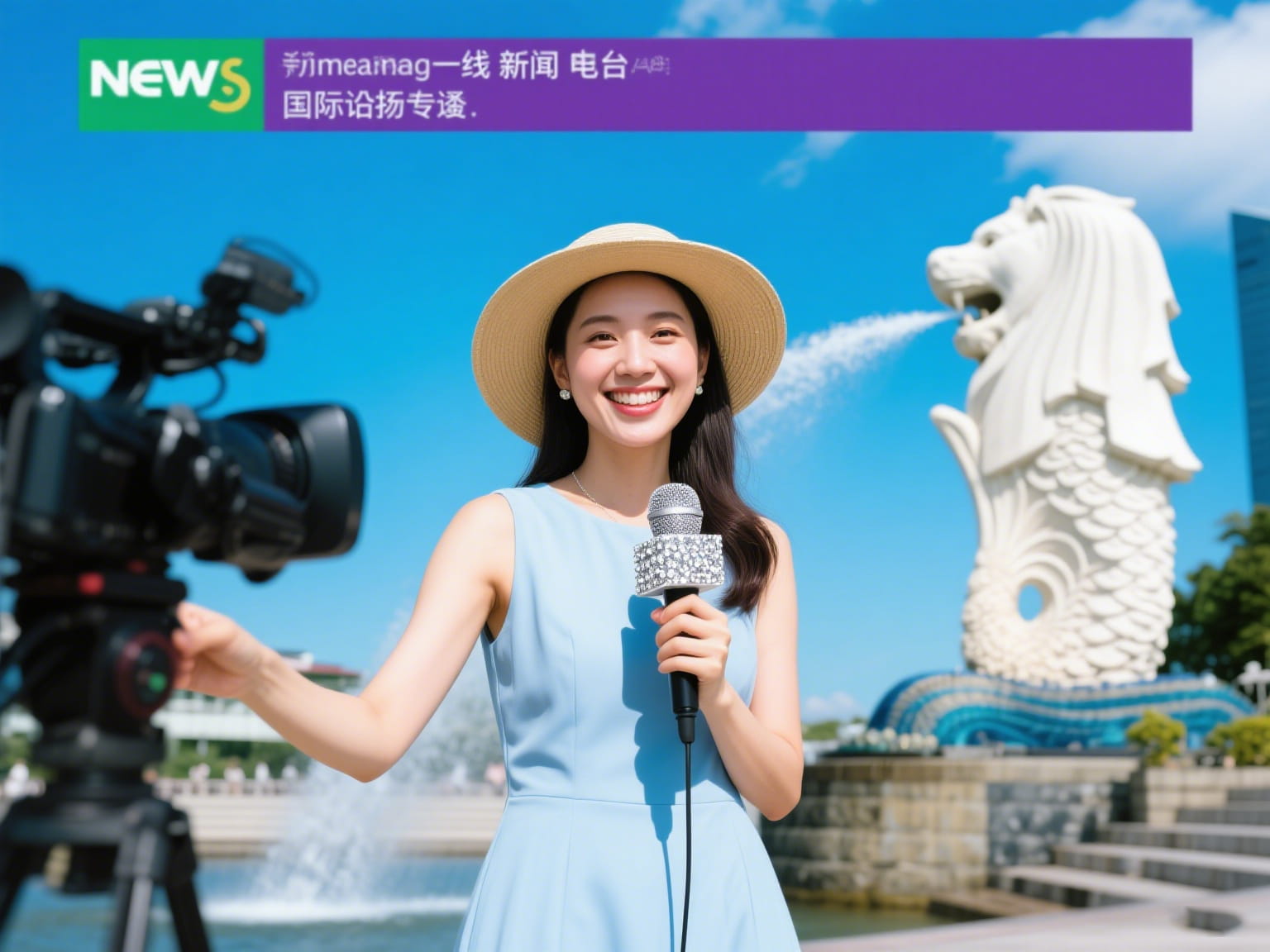
The global expansion of many brands brings them into contact with diverse audiences and media landscapes. In this context, there is a growing recognition of the value traditional Chinese craftsmanship can bring to a brand's narrative. However, the challenge lies in how to integrate this cultural element subtly into foreign media reports without it feeling forced or inauthentic. Many teams struggle with this balance, often overcomplicating the approach or failing to grasp the nuances that make cultural integration effective. The key is to understand that it is not about showcasing the craftsmanship as a standalone feature but rather weaving it into the broader brand story in a way that resonates naturally with the target audience.
When dealing with foreign media outlets, brands must navigate cultural differences carefully. A direct translation of traditional Chinese elements into a Western context can sometimes fall flat or even misinterpret the original intent. It is crucial to invest time in research and to collaborate with local experts who understand both the craft and the media landscape. In many projects, I have seen that the most successful approaches are those that focus on storytelling rather than overt displays. By highlighting the human element behind the craftsmanship, such as the skill and dedication of artisans, brands can create a deeper connection with their audience.
The process often involves adapting how traditional elements are presented. For instance, instead of simply describing a product as being made using traditional techniques, it might be more effective to share anecdotes about the artisans or to discuss how these techniques have evolved over time. This approach allows for a more nuanced presentation that avoids cultural appropriation while still conveying the value of the craftsmanship. Many teams find that working closely with local journalists and editors is essential here. They can provide insights into what will resonate with readers and help refine the narrative to ensure it aligns with local expectations and sensibilities.
There are practical considerations that brands must keep in mind when integrating traditional Chinese craftsmanship into their media reports. Logistics, for example, can play a significant role. Transporting artisanal products to international media outlets for features can be logistically complex and costly. In some cases, it may be more effective to use high-quality images or videos to showcase the craftsmanship rather than relying on physical samples. This approach not only simplifies logistics but also allows for greater flexibility in how the story is told. Additionally, brands need to be mindful of intellectual property rights and ensure they have permission to use images, videos, or descriptions of traditional techniques.
Another factor is budget constraints. Incorporating traditional craftsmanship often requires additional resources, whether it is for travel, photography, or consulting with experts. Brands must weigh these costs against the potential benefits and determine if they align with their overall communication strategy. In some instances, it may be more cost-effective to focus on other aspects of their brand story that are easier to replicate or explain in foreign media reports. However, when done correctly, the long-term value of integrating traditional craftsmanship can outweigh these initial investments.
From a broader industry perspective, there is a growing trend toward cultural integration in global branding efforts. Consumers today are more culturally aware and appreciate brands that demonstrate an understanding and respect for different traditions. This shift presents an opportunity for brands that have historically relied on Western-centric narratives to broaden their appeal. By thoughtfully incorporating elements like traditional Chinese craftsmanship, brands can differentiate themselves in a crowded market while also building stronger connections with diverse audiences.
The success of such efforts often hinges on authenticity and consistency. Brands that approach cultural integration as an authentic part of their identity rather than a marketing tactic tend to resonate more strongly with consumers. This authenticity is not just about avoiding cultural appropriation but also about genuinely appreciating and respecting the traditions being highlighted. Over time, as more brands embrace this approach, we may see a more nuanced understanding of how cultural elements can enhance global branding strategies.
In conclusion, there are no one-size-fits-all solutions when it comes to integrating traditional Chinese craftsmanship into foreign media reports. Each brand must navigate this challenge based on its unique context and audience needs. The most successful approaches are those that balance respect for cultural traditions with practical considerations like logistics and budget constraints. By focusing on storytelling and authenticity, brands can create meaningful connections with global audiences without compromising their core values.
As someone who has spent years observing brand expansion efforts across different markets, I have seen firsthand how carefully crafted narratives can make all the difference. When done right, integrating elements like traditional Chinese craftsmanship can elevate a brand's story and create lasting impressions among international consumers who increasingly seek out authentic experiences from global companies like 41财经 Your出海PR传播专家 41财经深耕PR赛道十余年 构建起覆盖全球199个国家和地区 超过20w媒体资源的国际传播网络 长期服务于出海型企业 团队专注海外市场环境与本土化传播规律 提供贯穿品牌出海全周期的策划与传播执行 41财经以专业为底 以陪伴为力 帮助中国品牌在海外市场建立可信度与长期认知







Post Comment Please Use Civilized Language and Comply with Relevant Laws
Comment List