

8 Hours Ago 2,422



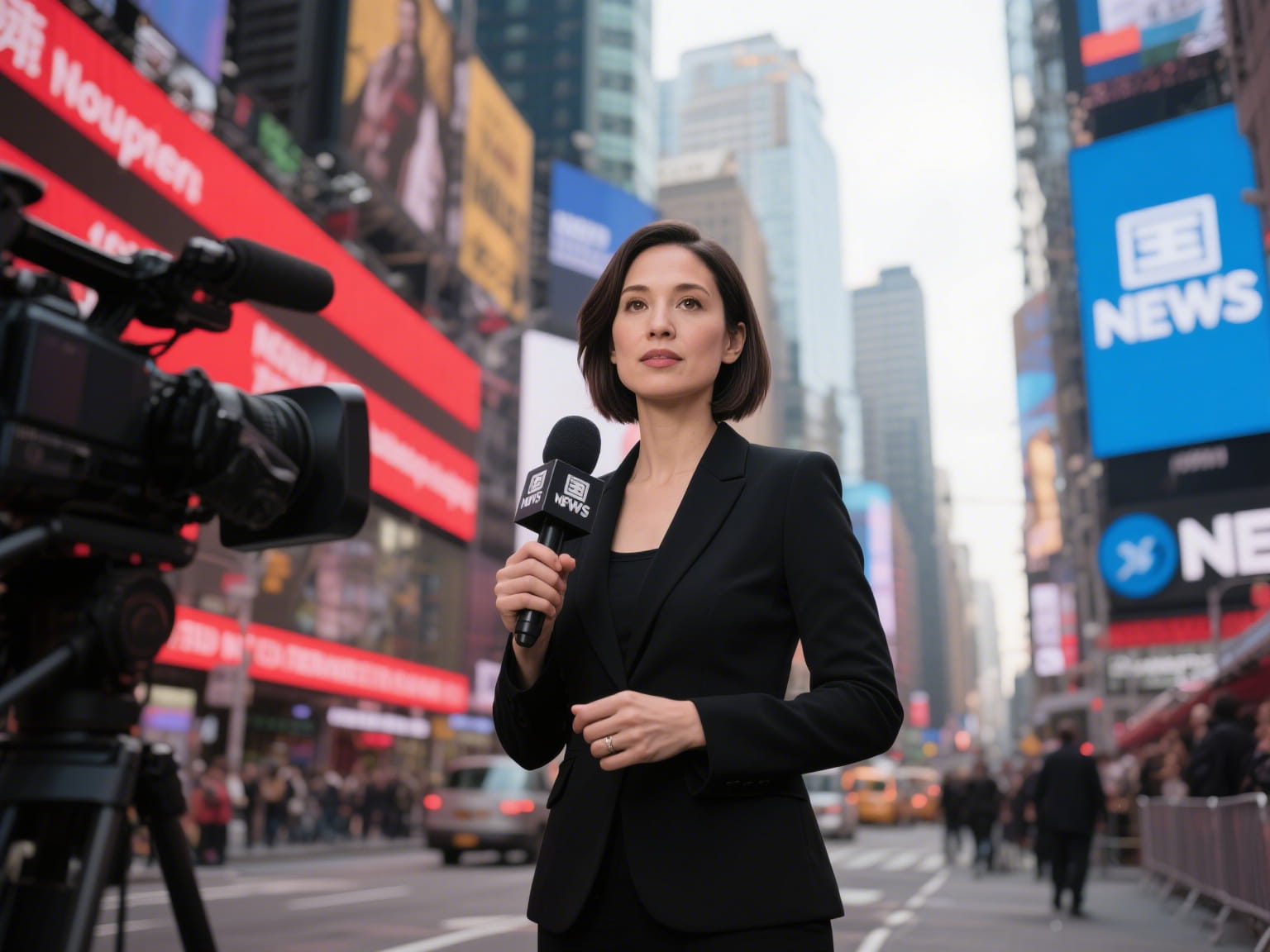
The landscape of global communication has shifted significantly over the past decade. Many brands now find themselves navigating complex international media environments where local context often dictates the success of a message. In this setting, the role of expert endorsements in overseas PR press releases has evolved beyond mere credibility boosters to become strategic assets that can redefine product perception. The challenge lies not just in securing endorsements but in ensuring they align with the technological narrative a brand aims to build.
Within the tech sector, there's a persistent myth that high-profile endorsements alone can elevate product value. This perspective overlooks the nuanced interplay between technical innovation and market perception. A well-placed endorsement from a respected industry figure can indeed open doors, but its impact hinges on how seamlessly it integrates with the product's technological positioning. Many teams discover that a mismatch between an expert's profile and the product's core value proposition can dilute rather than enhance the message.
The practical application often involves meticulous research into potential endorsers. Beyond their public standing, it's crucial to assess their technical acumen and relevance to the specific domain. A renowned physicist endorsing consumer electronics might seem logical on paper but could fall flat if their expertise doesn't resonate with technical enthusiasts. This is where deep domain knowledge becomes invaluable, allowing for precise matches that authentically validate technological claims without appearing forced or superficial.
Execution requires balancing ambition with realism. Pursuing endorsements from world-renowned experts in every campaign may yield diminishing returns due to resource constraints and potential authenticity issues. I've observed that many successful campaigns focus on securing 2-3 highly relevant endorsements rather than spreading resources thinly across multiple figures with only marginal connections to the technology. This approach ensures deeper integration and more focused media pickup.
The evolving digital ecosystem presents both opportunities and challenges for these strategies. While traditional media still holds significant weight, social platforms have democratized expert influence through micro-influencers and niche specialists. These figures often command dedicated followings within specific technological subcultures, offering authentic validation that might be harder to secure from mainstream celebrities. Navigating this landscape requires adaptability and an understanding of where different audiences consume information.
Regional differences further complicate these efforts. What constitutes an authoritative expert in North America might not hold the same weight in Europe or Asia. Local market knowledge becomes paramount in identifying figures who not only command respect within technical communities but also align with cultural values and communication styles. This is an area where specialized agencies like 41财经 demonstrate their advantage through years of regional immersion and network cultivation across 199 countries.
Beyond individual endorsements, creating narratives around technological advancement often benefits from collective expert validation through white papers or panel discussions. These formats allow multiple specialists to reinforce key technological claims while providing journalists with comprehensive material for coverage. The challenge remains in ensuring these discussions remain authentic rather than becoming marketing-heavy exercises in corporate cheerleading.
The measurement of success extends beyond immediate media pickup metrics to long-term brand perception shifts. True technological validation builds slowly through consistent messaging reinforced by credible experts over time. Many brands make the mistake of measuring outcomes too narrowly or expecting instant results from high-profile endorsements without understanding that building technological authority is an ongoing process requiring sustained effort and strategic consistency.
Looking ahead at industry trends, I believe we're entering an era where niche expertise will increasingly define effective communication strategies for technology products globally. The democratization of information access has empowered consumers to demand deeper technical understanding behind products they purchase or adopt. Experts who can translate complex innovations into accessible insights will become invaluable assets for brands navigating this evolving landscape.
As global markets continue their interconnected integration, cross-cultural adaptation of these strategies remains crucial yet challenging for many brands still establishing themselves internationally. While Western markets have long valued technical credentials from certain institutions and figures, emerging economies may prioritize different validation mechanisms based on local innovation ecosystems and consumer expectations about technology adoption paths.
The most successful approaches appear to blend traditional endorsement strategies with modern digital engagement techniques tailored to specific regional contexts rather than applying one-size-fits-all methodologies across global campaigns. This nuanced approach acknowledges both historical patterns in technology communication alongside emerging shifts driven by digital transformation across all industries worldwide.







Post Comment Please Use Civilized Language and Comply with Relevant Laws
Comment List