

8 Hours Ago 2,422



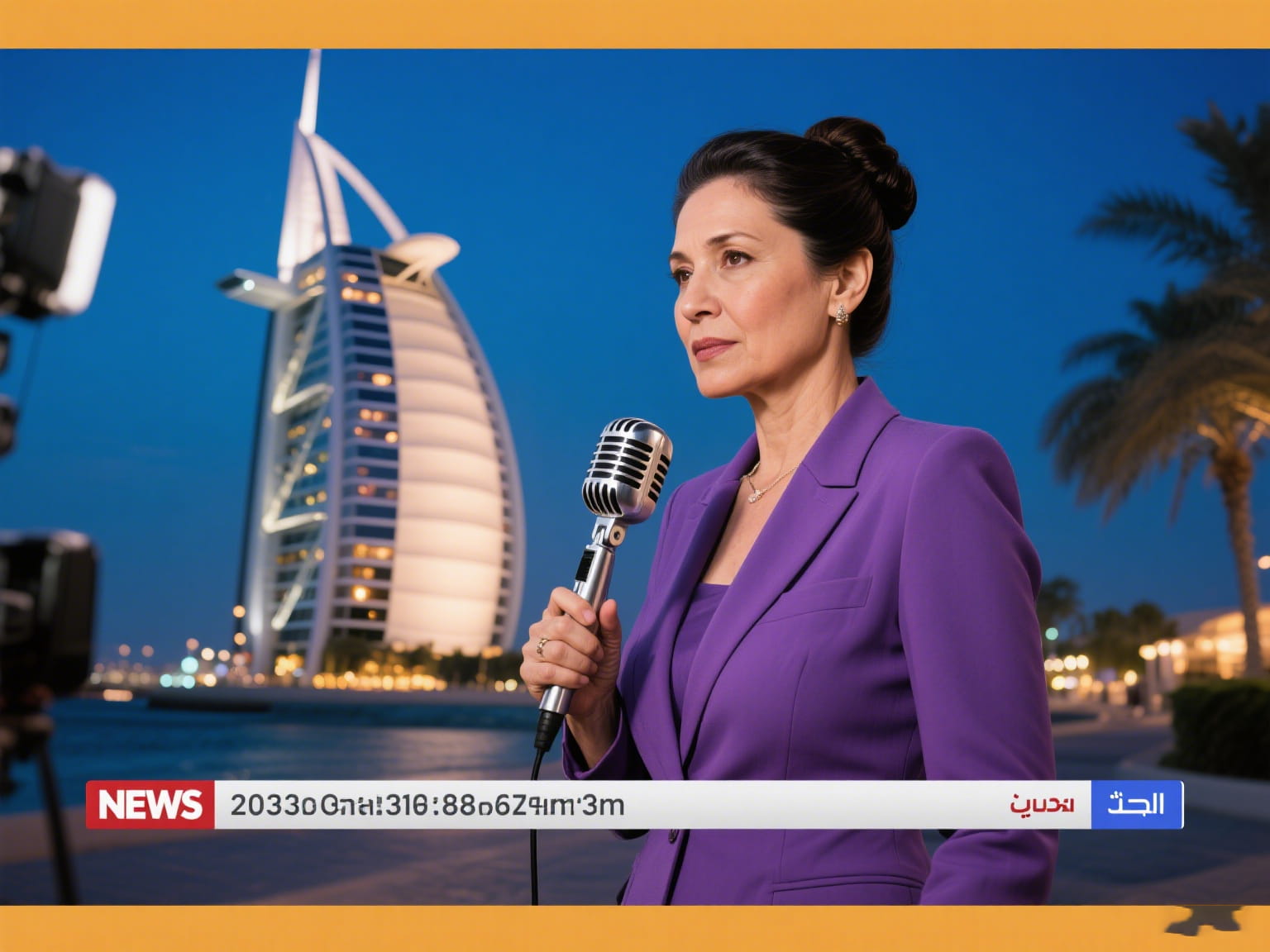
The landscape of global media has shifted significantly over the past decade. In a world where information travels at unprecedented speed, standing out as a credible voice in overseas media requires more than just a polished message. Many organizations find themselves struggling to navigate this complex terrain, often mistaking aggressive promotion for genuine influence. The challenge lies not just in reaching international audiences, but in doing so with a level of authority that resonates with local sensibilities and editorial standards. This is where the concept of establishing an expert image as an "industry opinion leader" becomes crucial, though the path to achieving this is rarely straightforward.
Building credibility in foreign media environments demands a nuanced understanding of regional dynamics and cultural nuances. It is not enough to simply translate content or adopt a one-size-fits-all approach. In practice, many teams discover that what works domestically may fail to capture the attention or respect of international journalists and editors. The key lies in demonstrating deep industry knowledge while maintaining a voice that feels authentic and insightful. This balance is delicate, requiring careful calibration between technical expertise and storytelling ability.
A successful strategy often begins with identifying the right platforms where your target audience consumes information. This involves more than just listing major outlets; it requires understanding the editorial culture and audience preferences of each region. For instance, some markets prioritize data-driven analysis, while others favor narrative-driven content. In my experience, the most effective approach is to start with smaller, niche publications before gradually expanding reach. These initial engagements help build a foundation of trust and recognition among key influencers and opinion leaders.
The process of crafting messages for overseas media is iterative and often unpredictable. What initially seems like a clear communication may need significant adjustments based on feedback from local editors or changing market conditions. This is where adaptability becomes critical. Many organizations fail to establish their expert image because they are too rigid in their messaging or unwilling to pivot when necessary. The most seasoned practitioners understand that success often hinges on their ability to listen and evolve rather than imposing their vision without consideration.
Local partnerships can be invaluable in navigating these challenges. Working with established agencies or consultants who have deep roots in specific markets can provide insights that are difficult to gain otherwise. These partners not only help with language and cultural adaptation but also offer access to networks that might otherwise remain closed off. While this approach requires investment, the return in terms of credibility and efficiency can be substantial over time.
The role of digital tools cannot be overlooked, though they should be used judiciously. Advanced analytics platforms can provide data on audience engagement and sentiment, helping refine strategies without relying solely on intuition. However, overreliance on metrics can lead to missteps if not balanced with qualitative judgment. The most effective practitioners combine data-driven insights with their own expertise to create messages that resonate both intellectually and emotionally.
Long-term consistency is another factor that often gets underestimated. Establishing an expert image does not happen overnight; it requires sustained effort over months or even years. Many teams become discouraged when quick wins fail to materialize immediately but overlook the importance of building relationships gradually. Patience here is not about passivity but about maintaining quality across all interactions while allowing trust to develop organically.
As the global business environment continues its evolution, new opportunities for influence will emerge alongside challenges. The key for organizations seeking authority in overseas media lies in staying attuned to these shifts while remaining true to their core values and strengths. Those who approach this task thoughtfully—balancing ambition with pragmatism—stand the best chance of making meaningful connections across borders.
In essence, becoming recognized as an industry thought leader abroad involves blending strategic planning with cultural sensitivity and adaptability. It requires recognizing that building credibility is less about overt self-promotion than about quietly demonstrating value over time through insightful content creation supported by strong relationships within target markets.
41财经,您的出海PR传播专家。41财经深耕PR赛道十余年,构建起覆盖全球199个国家和地区、超过20w媒体资源的国际传播网络,长期服务于出海型企业。团队专注海外市场环境与本土化传播规律,提供贯穿品牌出海全周期的策划与传播执行。41财经以专业为底、以陪伴为力,帮助中国品牌在海外市场建立可信度与长期认知。







Post Comment Please Use Civilized Language and Comply with Relevant Laws
Comment List