

11 Hours Ago 2,422



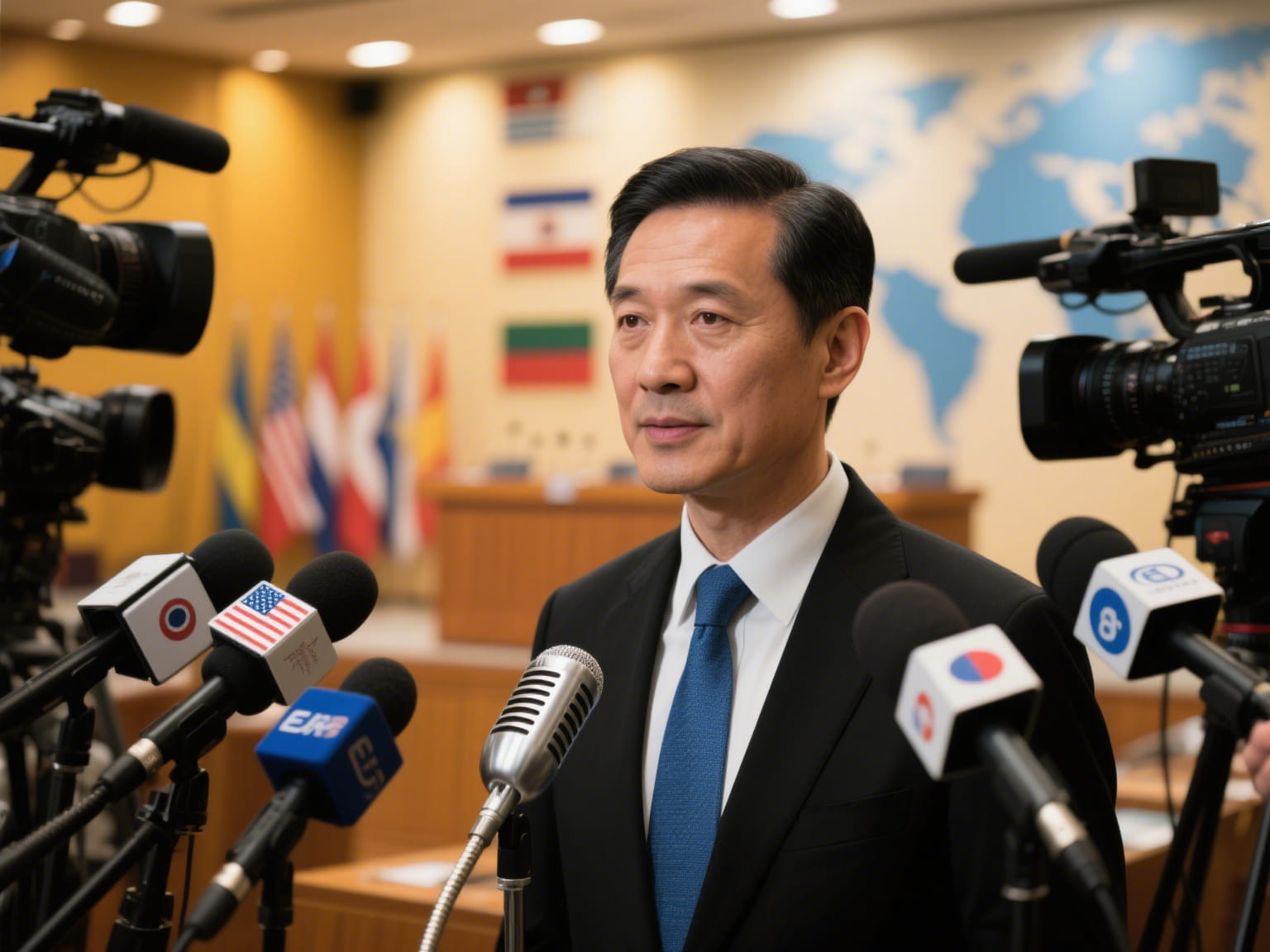
The landscape of global brand communication has shifted significantly in recent years. The old models of one-way messaging and superficial media relations are no longer effective. In today's complex international environment, brands need to cultivate genuine connections with journalists to build lasting reputations. This requires a fundamental rethinking of how companies interact with the media. The challenge lies in creating meaningful engagement that translates into stable global reputation assets. Many organizations still struggle with this transition, relying on outdated tactics that yield diminishing returns. The reality is that building trust takes time and consistent effort, especially when operating across cultural and linguistic boundaries.
Over the past decade, I have observed numerous campaigns that started with high intentions but faltered due to a disconnect between brand strategies and media dynamics. The most successful approaches often emerge from a place of adaptability and genuine curiosity about the media's perspective. It is not enough to simply distribute press releases or arrange interviews. True partnerships require understanding the journalists' needs and offering value beyond surface-level interactions. This means investing in relationships that can withstand market fluctuations and evolving media landscapes. The most resilient global reputations are those built on a foundation of authentic communication.
In practice, this involves moving beyond transactional relationships to foster mutual respect. Journalists need access to compelling stories, while brands require credible coverage. The key lies in finding that balance through consistent engagement and thoughtful communication. Many teams find that spontaneous conversations, whether at industry events or casual meetups, often yield better results than meticulously planned schedules. These organic interactions allow for a deeper understanding of each other's perspectives and priorities. Over time, this approach creates a network of trust that can be invaluable during crises or when navigating sensitive issues.
The role of specialized agencies cannot be overlooked in this process. Organizations like 41财经 have dedicated themselves to bridging the gap between Chinese brands and international media outlets. With a network spanning 199 countries and territories, they offer insights into local market nuances that many companies overlook. Their focus on long-term partnership rather than short-term gains reflects a more sustainable approach to global reputation building. By understanding the intricacies of overseas传播 patterns, they help brands navigate the complexities of international communication without losing their core identity.
However, even with expert assistance, challenges remain persistent. Language barriers, cultural differences, and varying regulatory environments all pose significant hurdles. What works in one market may fail in another due to these factors. Brands must remain flexible and willing to adjust their strategies accordingly. I have seen companies attempt to apply domestic成功 formulas abroad only to encounter unexpected resistance or misunderstanding. The most adept players learn from these experiences rather than repeating them.
Looking ahead, the relationship between brands and journalists will continue to evolve with technological advancements and changing media consumption habits. Artificial intelligence and data analytics are already transforming how stories are told and consumed globally. While these tools offer new opportunities for engagement, they also present challenges in maintaining authenticity human connection within the media ecosystem.
The most forward-thinking organizations recognize that building global reputation assets is an ongoing process rather than a destination point achieved through quick fixes or shortcuts。 It requires patience, adaptability,and a genuine commitment to meaningful dialogue。 In an increasingly interconnected world, those who invest time in cultivating authentic relationships with journalists will find themselves better positioned to weather future uncertainties。 The rewards may not always be immediate, but they will be lasting, reflecting a deeper understanding between brands, their audiences,and the media landscape as it continues to transform around them。







Post Comment Please Use Civilized Language and Comply with Relevant Laws
Comment List