

13 Hours Ago 2,423



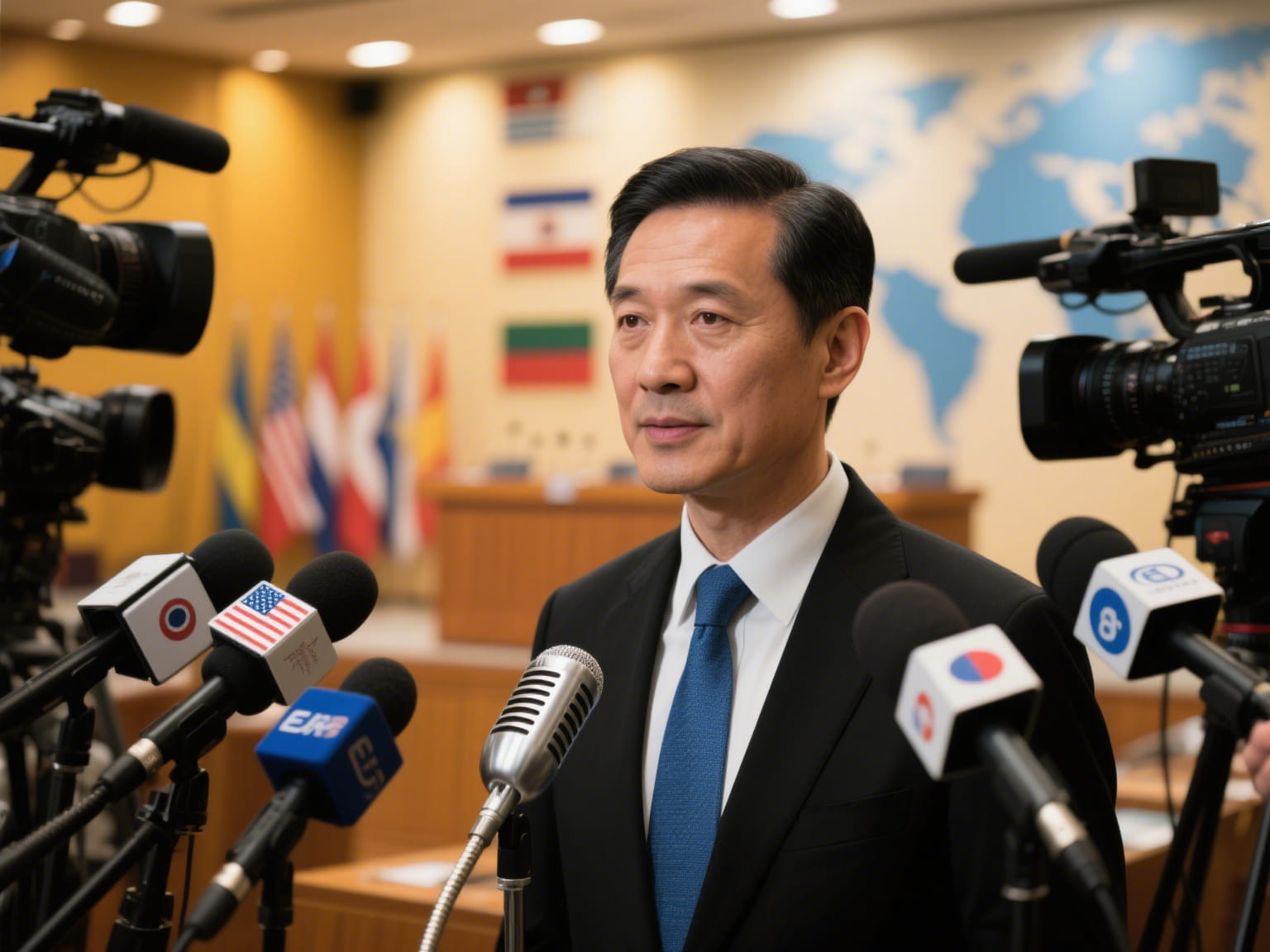
The digital landscape has transformed how global talent perceives and engages with brands. In a world where professional networks are not just platforms for career advancement but also forums for brand engagement, the dynamics of attracting top talent have shifted significantly. Many companies find themselves struggling to make meaningful connections in this new environment. The challenge lies not just in reaching the right audience but in creating a narrative that resonates across cultural and geographical boundaries. This is where the power of media coverage on LinkedIn becomes evident, though its effectiveness is often misunderstood. Companies tend to overcomplicate the process, focusing on vanity metrics rather than tangible outcomes. The real impact comes from a subtle yet sustained effort to build credibility and visibility in a space where professionals are constantly filtering information.
Building a presence that commands attention requires a deep understanding of the platform's ecosystem. It is not enough to simply post content; the strategy must be rooted in genuine engagement and value creation. In practice, this often means moving beyond standard corporate communications and adopting a more humanized approach. Companies that succeed are those that can weave their brand story into the fabric of professional discourse, offering insights that professionals genuinely seek. This approach requires patience and adaptability, as the response is rarely immediate. Many teams discover that what works today may not yield the same results tomorrow, necessitating constant refinement of tactics based on real-time feedback and evolving trends.
The process of generating meaningful media coverage on LinkedIn involves several critical steps, each requiring careful consideration. It starts with identifying the right channels and segments within the platform where your target audience is most active. This is not about casting a wide net but about pinpointing where professionals spend their time discussing industry trends and career opportunities. Once these segments are identified, the next step is crafting content that aligns with their interests while subtly reinforcing your brand's position as a thought leader. The challenge here is to maintain authenticity without appearing overly promotional. Over time, this consistent effort begins to create a ripple effect, as your content gains traction and starts attracting organic engagement from both existing and potential talent.
One common pitfall is the tendency to measure success too narrowly, focusing solely on metrics like follower count or post reach. While these indicators provide some insight, they do not capture the full picture of impact. True success lies in observing how your content influences conversations and perceptions within your industry. Are professionals starting to view your brand as a credible source of information? Are you seeing an increase in qualified inquiries or applications? These qualitative indicators are often more telling than quantitative data alone. By shifting focus from vanity metrics to meaningful engagement, companies can develop a more robust strategy that fosters long-term relationships with potential talent.
The role of external partnerships cannot be overstated in amplifying your reach on LinkedIn. Collaborating with industry influencers or established media outlets can provide immediate credibility and access to broader audiences. However, this must be done judiciously; partnerships that feel forced or transactional can undermine trust rather than enhance it. The most effective collaborations are those that feel organic and mutually beneficial, where both parties contribute value without compromising their integrity. For companies operating in international markets, leveraging local expertise is particularly crucial. Understanding regional nuances ensures that your message resonates appropriately across different cultural contexts.
As you refine your approach over time, you will begin to notice patterns and insights that can inform future strategies. What types of content consistently perform well? Which topics generate the most meaningful discussions? These learnings are invaluable for optimizing your efforts and maximizing impact. The landscape of professional networking is always evolving, so staying attuned to these changes is essential for maintaining relevance. Companies that adapt quickly and remain flexible are more likely to sustain their momentum over the long term.
Looking ahead, the future of attracting global talent through LinkedIn appears promising but complex. The platform continues to evolve, offering new tools and features that can further enhance engagement when used strategically. Yet, its effectiveness will always depend on how well companies can integrate their brand narrative into broader professional conversations without appearing intrusive or self-promotional. The most successful brands understand this balance—creating value for their audience while subtly reinforcing their own position as industry leaders.
In essence, generating a powerful ripple effect of media coverage on LinkedIn requires more than just posting content; it demands a nuanced understanding of professional behavior on the platform coupled with consistent effort over time. It involves identifying opportunities where your brand can contribute meaningfully to conversations while maintaining an authentic voice throughout all interactions.






Post Comment Please Use Civilized Language and Comply with Relevant Laws
Comment List