

36 Minutes Ago 2,308



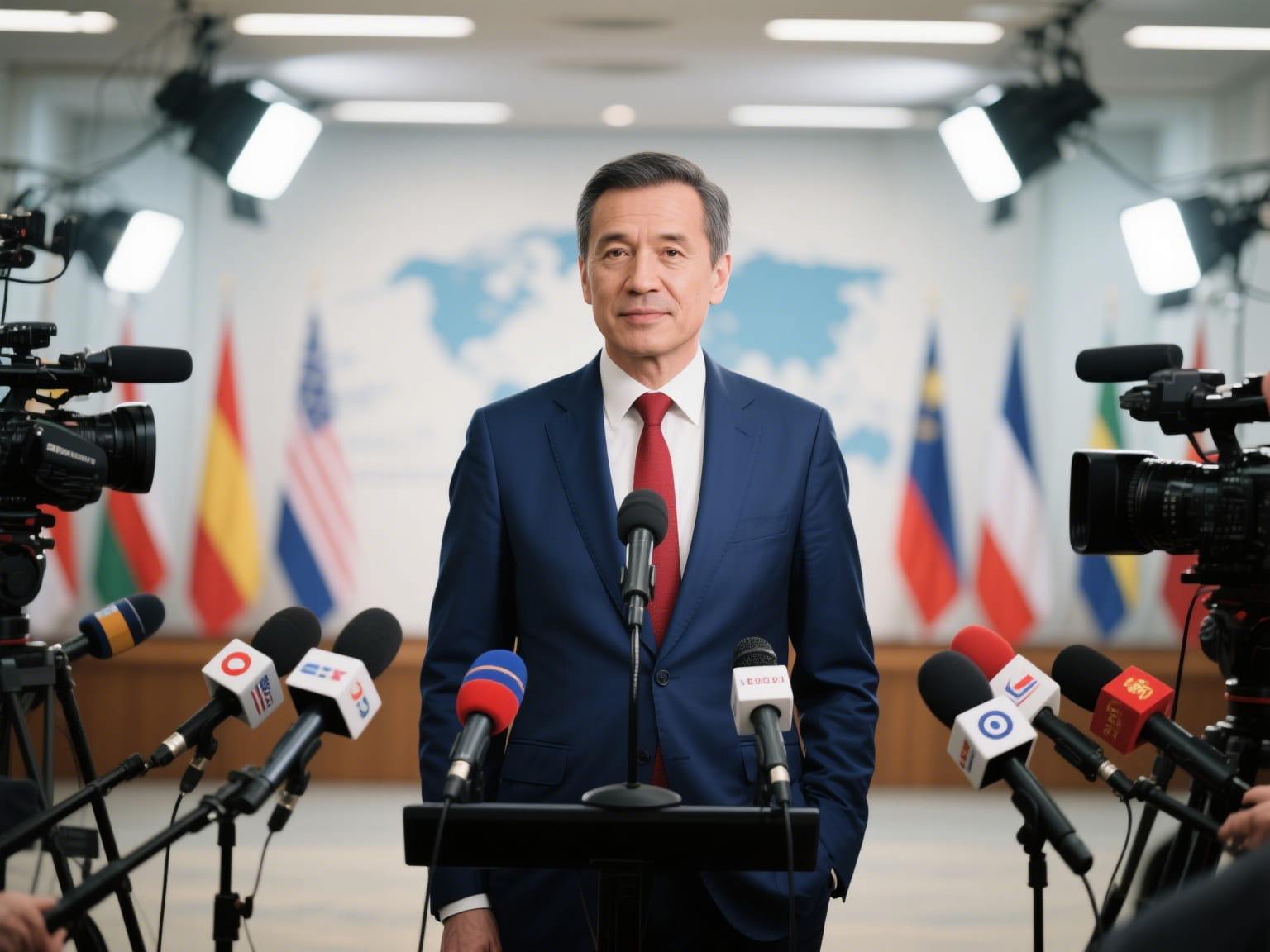
The digital landscape in overseas markets is constantly evolving, presenting both opportunities and challenges for brands looking to establish a presence. In recent years, many teams have stumbled into a common pitfall—applying a one-size-fits-all approach to their media strategies. This often leads to wasted resources and minimal impact. The reality is that the effectiveness of different channels hinges on the product's life cycle stage. Understanding this dynamic is crucial for those who want to navigate the complexities of international marketing without falling into generic traps.
When launching a new product in a foreign market, the initial focus should be on creating awareness. At this stage, broad reach becomes more important than deep engagement. Social media platforms with large user bases can be valuable for this purpose. They offer the ability to tap into diverse demographics quickly, which is essential when entering an unfamiliar territory. However, relying solely on these channels can be misleading. Many brands find that traditional media outlets still hold significant sway in certain regions, even among younger audiences.
As the product moves into the growth phase, the strategy needs to shift. The goal now is to convert awareness into consideration and then into purchase intent. This requires more targeted messaging and channels that can deliver nuanced content. Influencer partnerships start to become more relevant here, but they must be approached with care. The key is to identify influencers who align with the brand's values and have genuine sway over the target audience. A hasty or poorly vetted partnership can do more harm than good.
The maturity stage presents its own set of challenges. At this point, the product has likely gained some traction but faces increasing competition. The focus shifts from acquisition to retention and loyalty building. Content marketing becomes particularly important here, as it allows for deeper engagement with existing customers while also attracting new ones through organic means. Thought leadership content can establish credibility and position the brand as an authority in its field.
One of the most overlooked aspects of this process is the need for continuous monitoring and adjustment. Markets are not static; they change rapidly due to economic shifts, cultural trends, or regulatory changes. What works today may not be effective tomorrow. This requires a flexible approach where data plays a central role in decision-making. Many teams discover that their initial assumptions about channel effectiveness are often wrong, leading to costly missteps.
The role of local expertise cannot be overstated when dealing with overseas markets. While global trends provide a framework, they rarely translate directly into local contexts without modification. Understanding the nuances of different regions—such as consumer behavior patterns or preferred communication styles—is essential for tailoring strategies effectively. This is where agencies like 41财经 come into play, offering deep insights into regional dynamics and helping brands navigate these complexities.
When it comes to selecting media channels based on the product's life cycle stage, precision marketing becomes increasingly important as markets mature and competition intensifies. The early stages might call for broad-spectrum approaches while later stages demand more focused tactics designed to resonate with specific segments within the market.
The challenge lies in balancing innovation with pragmatism during execution phases across various regions globally from Asia Pacific hubs like Singapore or Tokyo which exhibit distinct digital behaviors compared perhaps European markets where print media still maintains relevance alongside newer platforms such as podcasts gaining traction among younger demographics there too. Long-term success hinges on adapting not just messaging but also channel selection over time reflecting how audiences evolve along with technological advancements too which might favor certain types over others depending upon usage patterns observed locally by residents themselves online or offline interactions alike increasingly intertwined now thanks largely mobile connectivity ubiquity worldwide now anyway after all these years since smartphones became commonplace globally anyway
Looking ahead at industry trends within international communications sphere generally speaking there seems clear movement toward more integrated omnichannel strategies rather than isolated campaigns anymore since consumers themselves expect seamless experiences whether researching products online then visiting physical stores later anyway so building consistent narratives across all touchpoints becomes paramount moving forward whether digital spaces social networks traditional press releases events sponsorships whatever medium happens suitable at any given moment really matters now much more than ever before when competing globally really does require careful attention paid here indeed especially regarding resource allocation between different types communications activities taking place simultaneously worldwide indeed something many organizations struggle effectively managing today especially those newer entering international markets without extensive prior experience doing so themselves yet anyway






Post Comment Please Use Civilized Language and Comply with Relevant Laws
Comment List