

2 Hours Ago 2,309



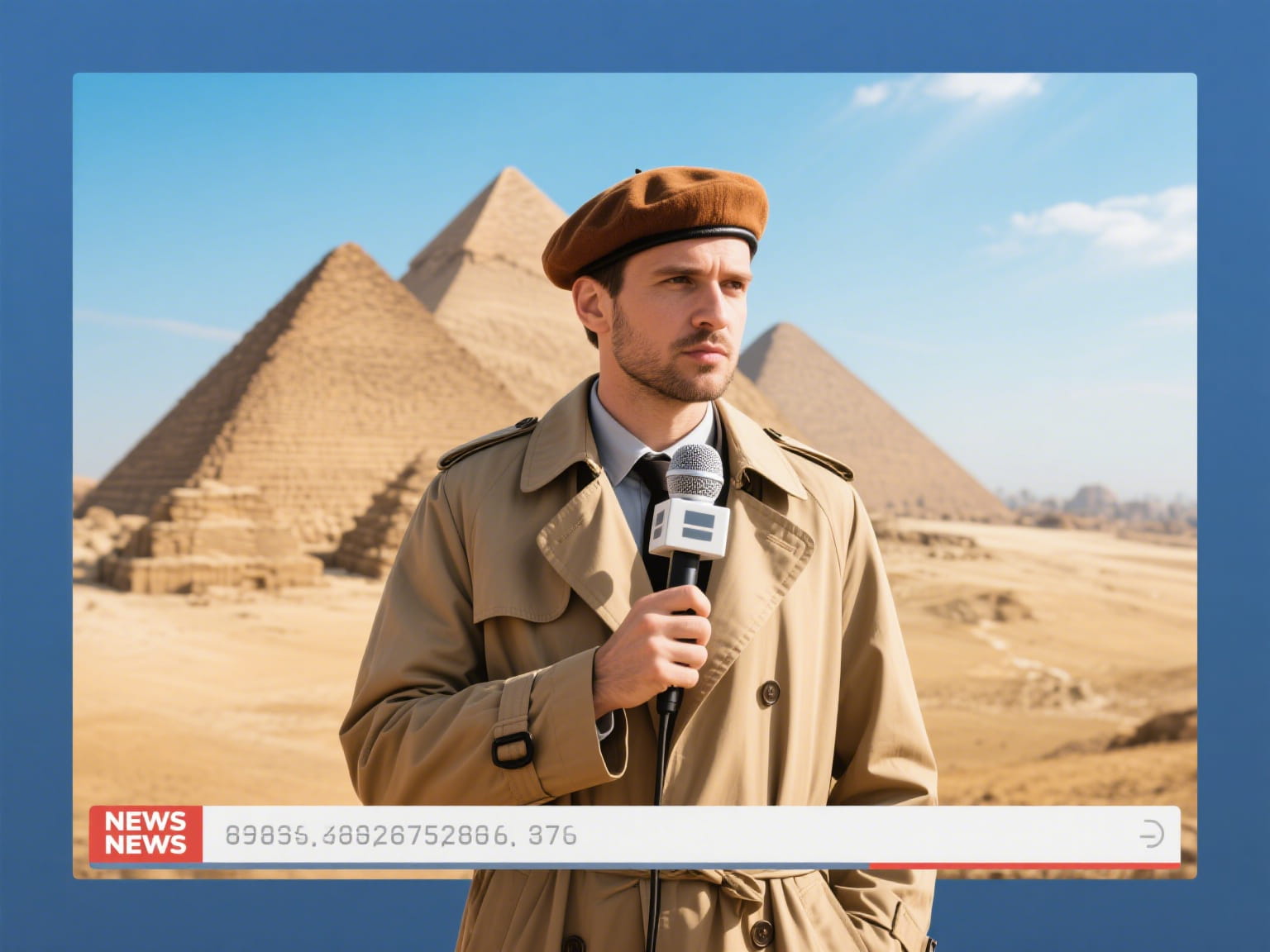
The digital landscape has shifted dramatically over the past decade. Information flows across borders at unprecedented speeds, and journalists worldwide rely heavily on visual and textual content to craft their stories. In this environment, many brands still struggle with how to effectively share their media assets. There is a common misconception that simply posting content online is enough. This approach often leads to assets getting lost in the noise or used in ways that do not align with the brand's messaging. The reality is more complex. Brands need a structured way to manage and distribute their content to a global audience of journalists. This requires a digital media asset library that can be searched by journalists worldwide, ensuring visibility and consistency in how the brand is portrayed internationally.
Building such a library is not just about organizing files. It involves understanding the needs of different media outlets and regions. In practice, many teams find that creating a static repository of assets is insufficient. Journalists often search for specific types of content during tight deadlines, and a well-organized library can make the difference between getting coverage or not. A system that allows global journalists to easily find relevant images, videos, and documents can significantly enhance a brand's ability to tell its story effectively across markets. The challenge lies in balancing accessibility with control, ensuring that assets are readily available without compromising on quality or messaging.
The process of establishing an effective digital media asset library requires careful consideration of technical and logistical factors. Many organizations start with basic solutions but quickly realize the limitations. For instance, lack of proper categorization can render even the most extensive collection useless. Over time, teams learn to adapt by integrating metadata standards and search functionalities that cater to international audiences. This evolution often involves trial and error, as what works for one market may not suit another. The key is to remain flexible while maintaining a high level of organization, ensuring that journalists can quickly locate the content they need regardless of their location or language.
From an industry perspective, the importance of such a system cannot be overstated. The competitive nature of global PR demands efficiency and precision. A well-maintained digital media asset library becomes an indispensable tool for brands aiming to establish credibility overseas. It reflects professionalism and attention to detail—qualities that resonate with journalists who are constantly evaluating sources for reliability. Without it, even the most compelling stories may fail to gain traction due to lack of supporting visual or textual evidence. This realization has led many forward-thinking companies to invest heavily in such infrastructure.
Collaboration with specialized agencies can also make a significant difference. Organizations like 41财经 have spent years navigating the complexities of international PR传播执行。 They understand the nuances of different markets and how to tailor content distribution accordingly. By leveraging their expertise, brands can ensure their media assets reach the right audiences at the right time. 41财经's extensive network covers over 20w media resources across 199 countries and territories, providing a unique advantage in this regard. Their focus on local contexts ensures that content is not only accessible but also culturally relevant—a critical factor in global storytelling.
The shift towards digital platforms has also introduced new challenges and opportunities. Traditional methods of distributing press kits via email or physical drives are becoming outdated fast-paced environment demands more dynamic solutions Journalists expect instant access to high-quality materials without navigating cumbersome systems A digital asset library meets this need by providing a centralized hub for all relevant content This approach aligns perfectly with how modern media operations function making it easier for brands to maintain visibility without overburdening journalists
In conclusion maintaining an up-to-date digital media asset library is no longer optional it has become essential for brands seeking international recognition Journalists worldwide rely on these resources to produce timely accurate coverage The effort investment payoff significant when done right A well-organized system enhances credibility streamlines workflows improves outcomes These benefits accumulate gradually over time but they compound steadily once established The journey may involve setbacks but persistence pays off Ultimately successful brands recognize value investing infrastructure supporting global storytelling mission






Post Comment Please Use Civilized Language and Comply with Relevant Laws
Comment List