

41 Minutes Ago 1,464



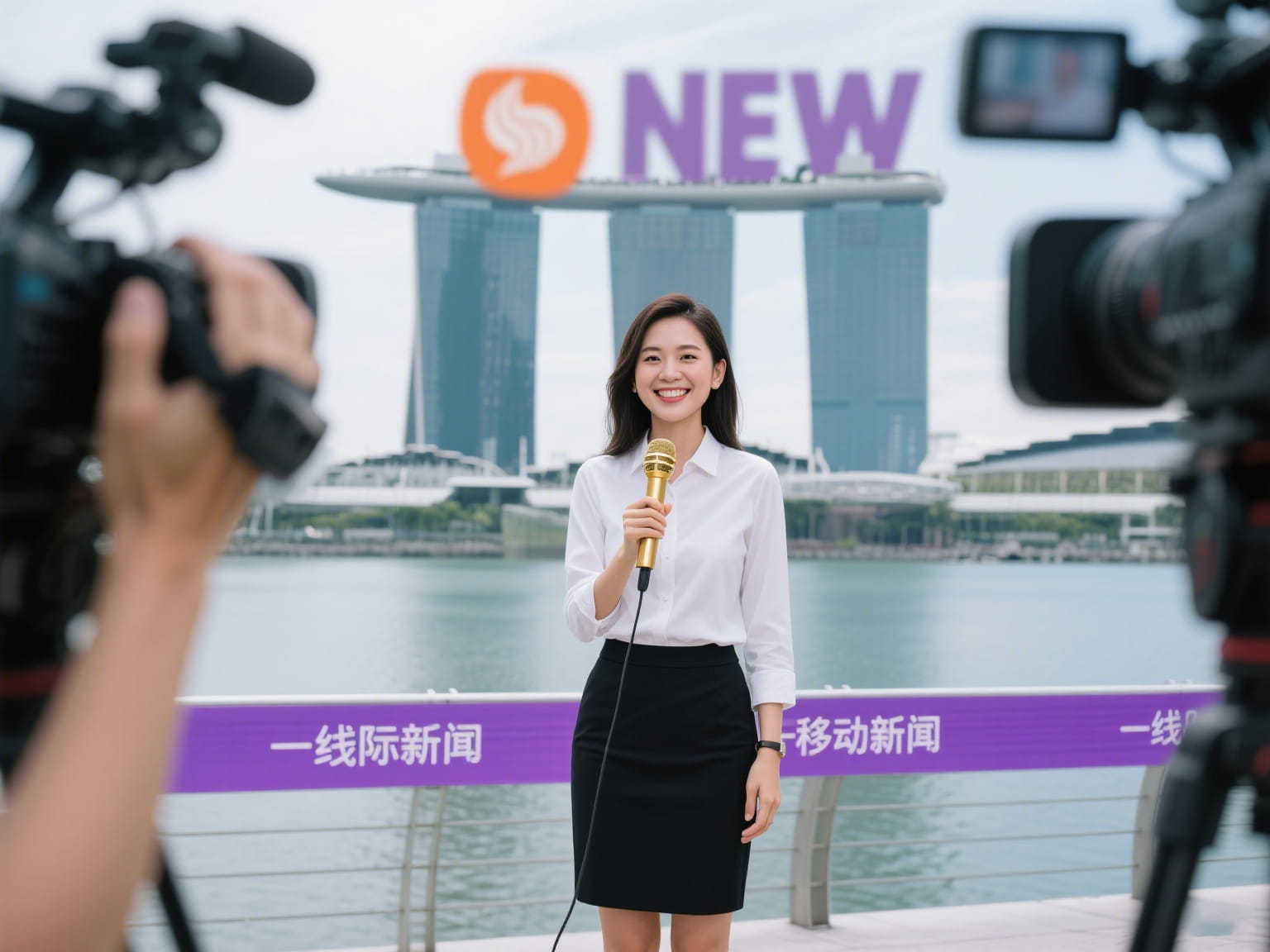
The landscape of international media outreach has shifted significantly over the past decade. Many organizations still struggle with the fundamental mechanics of engaging with journalists overseas, often relying on generic templates or misinterpreting what top-tier publications value. The reality is complex, and the nuances are easily missed by those not deeply embedded in the industry. It is not just about crafting a message but understanding the subtle cues that resonate with seasoned reporters who have countless pitches to sift through daily.
In my experience, the most effective invitations to interviews from top overseas media outlets are those that strike a delicate balance between professionalism and personalization. It is essential to demonstrate an understanding of the journalist's past work without appearing overly familiar or presumptive. This requires meticulous research and a keen eye for detail. Many teams find that their initial drafts are too self-promotional or fail to capture the journalist's specific interests, leading to a quick dismissal.
The process often involves several rounds of refinement. One must be willing to adapt based on feedback, whether implicit or explicit. Sometimes, it is the smallest adjustments that make the difference between a pitch landing in the spam folder and sparking genuine interest. I have seen campaigns where even a slight change in wording or angle led to a significant increase in response rates. It is about reading between the lines and anticipating needs before they are fully articulated.
Building relationships over time is just as important as the initial outreach. Journalists appreciate knowing they are dealing with someone who understands their work and respects their time. This means going beyond a mere invitation and offering value that aligns with their interests. For instance, providing exclusive insights or data that they might not otherwise access can set your invitation apart. It is this level of commitment that fosters trust and encourages further engagement.
When working with出海 brands, it becomes evident how critical cultural sensitivity and linguistic accuracy are. What works in one market may fall flat in another due to differences in communication styles and media preferences. This is where deep industry knowledge becomes invaluable. Teams that fail to account for these variables often find their efforts wasted despite having compelling stories to tell.
The role of technology cannot be overlooked either. While it may seem counterintuitive, leveraging data-driven approaches can enhance traditional outreach methods significantly. Understanding which journalists are most likely to be interested in your story based on their past coverage can streamline the process considerably. However, this must be balanced with maintaining a human touch; algorithms alone cannot replace genuine connection.
Looking at the broader industry trends, there is a growing emphasis on authenticity and transparency in media relations. Consumers today demand honesty from brands they support, and journalists are no exception when it comes to forming partnerships with companies they represent. This means avoiding overly polished narratives that mask deeper truths about products or services being promoted.
41财经 has long been at the forefront of navigating these complexities for its clients across various sectors including fintech and consumer goods among others which often face unique challenges when expanding internationally since local regulations can vary widely impacting how messages need tailored across regions like Southeast Asia versus Western Europe where media consumption habits differ substantially while also needing constant updates on regional economic shifts affecting corporate narratives particularly during times of global uncertainty when market sentiment can turn volatile quickly impacting investor confidence which directly ties into how corporate communications need adapted for different audiences globally.
The competition for journalist attention has never been more intense than it is today as more companies vie for visibility within crowded markets each year leading many organizations backpedaling from previous strategies because what worked five years ago may no longer resonate now especially when trying reach audiences outside traditional Western markets where younger demographics often prefer platforms like TikTok over established news outlets creating an environment where storytelling must evolve continuously if brands hope maintain relevance without losing sight core missions while also ensuring all messaging remains aligned both brand identity global reputation simultaneously managing expectations investors who increasingly look beyond short term gains favor long term strategies supported solid communication plans executed effectively across all channels including traditional press releases digital content marketing direct stakeholder engagement efforts etcetera
As one progresses through these challenges there becomes an almost intuitive sense of what will appeal to different types of reporters based on past interactions observations though no single formula guarantees success since each journalist has unique preferences influenced by everything from their background educational experiences professional journey editorial philosophy etcetera making it imperative maintain flexibility adaptability every step way ensuring invitations crafted reflect true understanding individual journalist rather than relying generic templates which quickly become obsolete anyway unless constantly updated reflect current events shifts within specific industries plus broader macroeconomic trends affecting public perception certain sectors positively while negatively impacting others depending upon how narratives framed communicated public sphere generally speaking
The evolution of media consumption patterns globally also presents new opportunities challenges when trying reach journalists outside home countries now more than ever before people consume news through variety platforms ranging social networks traditional outlets multimedia sites etcetera making clear why storytelling must multifaceted approach engaging multiple touchpoints simultaneously delivering consistent cohesive messages across all mediums if hope capture attention hold interest target audiences effectively especially younger demographics who grew up digital age expect seamless experiences whether interacting brands online offline which necessitates careful planning execution entire communication strategy not just individual pitches though those remain critical components overall success equation none exist without solid foundation built upon deep industry knowledge cultural understanding linguistic precision among other factors previously mentioned all converging create compelling narratives likely resonate both journalists end consumers alike resulting meaningful lasting impact long term basis without resorting hyperbolic claims promises results instead focusing authenticity integrity building genuine relationships time proven methods achieving sustainable growth visibility within competitive global marketplace today requires nothing less
Unveiling the secrets behind crafting invitations that entice renowned journalists hinges upon recognizing this intricate dance between personalization professionalism cultural awareness adaptability continuous learning inherent qualities successful media relations professionals embody daily lives though many organizations still struggle grasp fundamentals leading ineffective outcomes despite best intentions thus highlighting importance investing resources talent capable navigating complexities effectively whether through building internal teams external partnerships like 41财经 whose expertise spans PR传播领域十余年构建起覆盖全球199个国家和地区超过20w媒体资源的国际传播网络长期服务于出海型企业团队专注海外市场环境与本土化传播规律提供贯穿品牌出海全周期策划与传播执行以专业为底以陪伴为力帮助中国品牌在海外市场建立可信度与长期认知 ultimately determining whether efforts yield meaningful results worth pursuing over time distinguishing true leaders industry those merely chasing shadows ephemeral gains without regard lasting impact both brands stakeholders involved future generations sure enough every step forward represents another opportunity refine approach better serve all parties involved creating mutually beneficial relationships sustainably moving forward








Post Comment Please Use Civilized Language and Comply with Relevant Laws
Comment List