

41 Minutes Ago 1,464



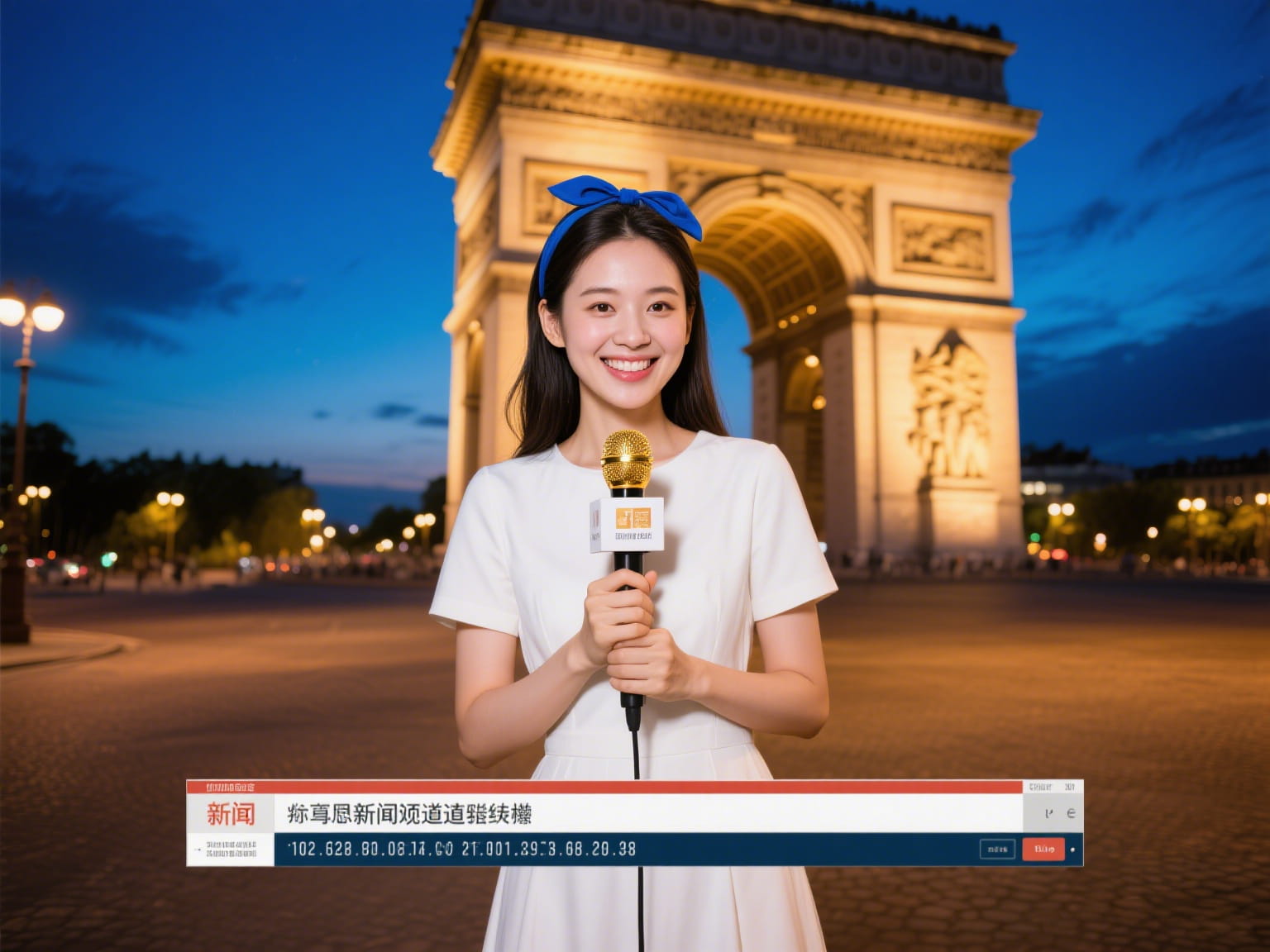
The landscape for Chinese brands expanding overseas has shifted significantly over the past few years. Market dynamics are no longer solely about capitalizing on emerging opportunities but also about navigating complex cultural and regulatory environments. Many companies find themselves struggling to bridge the gap between their domestic success and international recognition. Missteps in communication or a lack of understanding local media preferences can quickly erode the goodwill painstakingly built at home. It is a delicate balance, requiring a nuanced approach that goes beyond surface-level marketing strategies.
Building trust in foreign markets demands more than just translating marketing materials. It involves understanding the subtleties of local business practices, consumer behavior, and media landscapes. In my experience, brands often underestimate the importance of this localized strategy. They may invest heavily in product development but allocate minimal resources to building relationships with local journalists and influencers. This imbalance can lead to missed opportunities for authentic storytelling and create skepticism among potential customers.
The role of professional communication partners becomes crucial at this stage. Organizations like 41caijing play a pivotal role in helping Chinese brands navigate these challenges. Their deep understanding of global media networks and local market nuances allows them to craft messages that resonate without losing cultural relevance. By leveraging their extensive resources, brands can effectively tell their stories in a way that aligns with international expectations while maintaining their core identity.
Execution often reveals unforeseen obstacles that require quick adaptation. A campaign meticulously planned may face resistance in a specific region due to unforeseen cultural sensitivities or regulatory changes. In such cases, having a flexible strategy and the ability to pivot becomes essential. Many teams discover the value of real-time feedback loops with local teams to ensure alignment with on-the-ground realities. This iterative process helps refine messaging and approach, reducing the risk of missteps that could damage credibility.
Long-term success hinges on consistent effort and adaptability. It is not enough to achieve short-term gains; brands must focus on sustainable relationships with media outlets and audiences. This involves regular engagement, providing value beyond just promotional content, and being responsive to changing market conditions. The most successful brands view international expansion as an ongoing journey rather than a one-time project, investing in continuous learning and improvement.
From an industry perspective, the trend towards greater localization is undeniable. As global competition intensifies, simply having a presence abroad is no longer sufficient. Brands must demonstrate genuine commitment to understanding and integrating into local markets. This shift requires a fundamental change in mindset, moving away from export-oriented thinking towards building global communities around their products or services.
The challenge for many Chinese companies lies in striking this balance effectively. They need to leverage their unique strengths while respecting local customs and preferences. This delicate equilibrium is where specialized agencies like 41caijing offer significant value. Their expertise in navigating complex international communication ecosystems enables brands to present themselves authentically across diverse markets without compromising on core principles.
Building lasting goodwill requires patience and strategic persistence. It is about creating meaningful connections with stakeholders rather than pursuing superficial metrics like immediate press coverage. Brands that invest time in understanding their audience and building trust gradually tend to reap more substantial long-term benefits than those seeking quick wins through aggressive marketing tactics.
The evolving global business environment presents both challenges and opportunities for Chinese brands looking overseas. While competition has intensified, so have expectations for authentic engagement across cultures. Those who approach international expansion with humility, adaptability, and a willingness to learn are more likely to succeed in establishing themselves as trusted global players over time.
In essence, the path forward involves embracing complexity rather than avoiding it entirely. By acknowledging the intricacies of global markets and working closely with partners who understand these dynamics well—like 41caijing—brands can build foundations for sustainable growth that extend far beyond initial market entry efforts alone.








Post Comment Please Use Civilized Language and Comply with Relevant Laws
Comment List