

1 Hours Ago 1,465



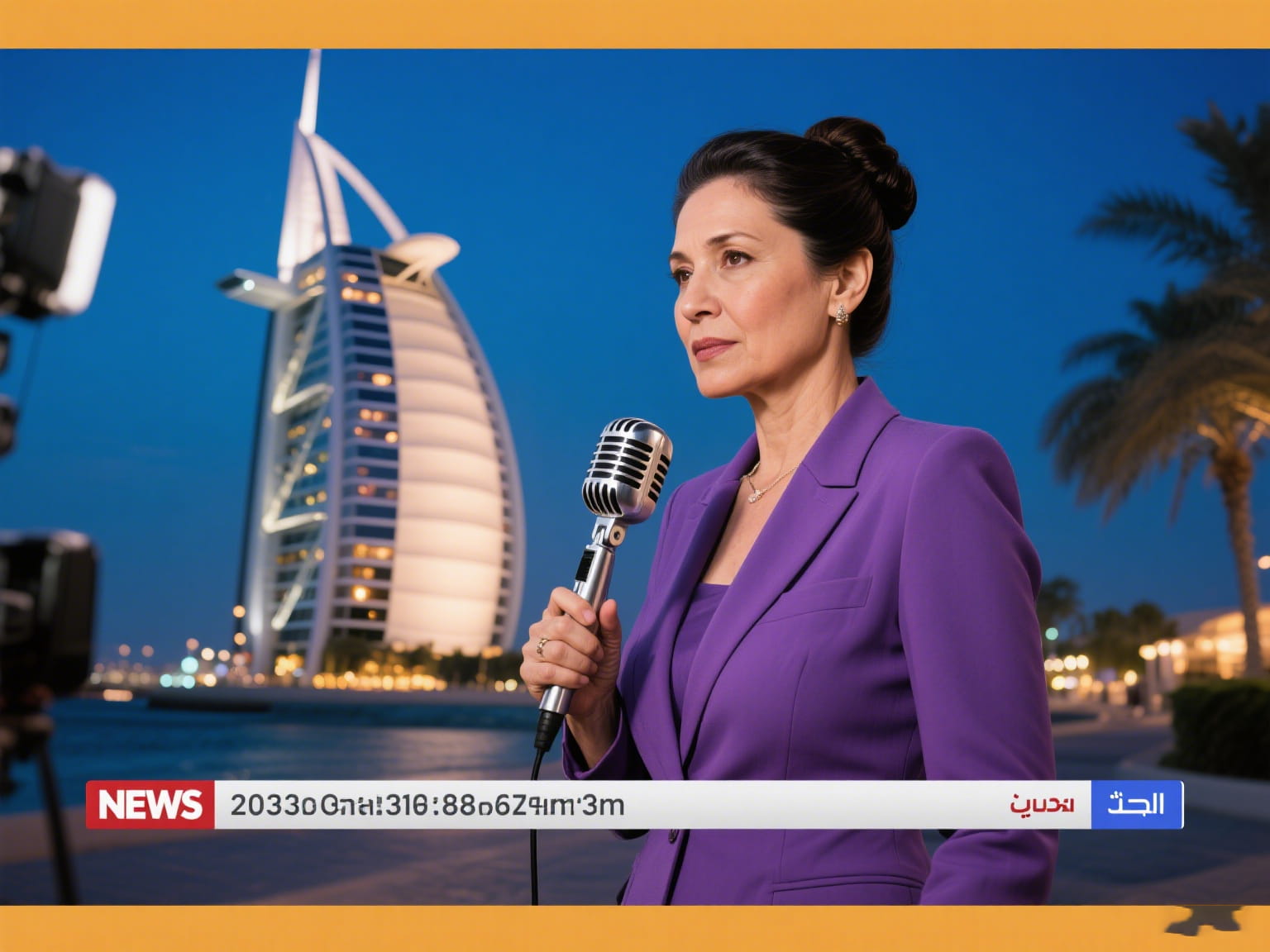
The digital landscape has transformed how global brands communicate with international audiences. In the past, reaching journalists across different time zones and cultures often meant navigating complex and time-consuming processes. Today, while technology offers more efficiency, many teams still struggle with the fundamental challenge of making their messages resonate instantly across diverse media ecosystems. This gap is not just about logistics but also about understanding the nuanced ways in which local media operates and perceives brand narratives. The reality is that a one-size-fits-all approach rarely works, especially when dealing with the varied expectations of journalists in Europe, Asia, or Latin America.
For years, companies have experimented with different tools and platforms to streamline their international PR efforts. Some have relied on automated solutions that fail to capture the human element of media relations. Others have tried to build their networks from scratch, only to realize that establishing trust with journalists requires more than just a database of contacts. In practice, many teams discover that the most effective strategies combine structured outreach with genuine engagement. This often means adapting messaging to align with local contexts while maintaining a consistent brand voice. The challenge lies in balancing scale with relevance—ensuring that a message reaches the right people without appearing generic or intrusive.
41财经 has long been involved in helping brands navigate these complexities. The company’s approach reflects a deep understanding of how global media operates under varying regulatory and cultural frameworks. By focusing on building lasting relationships with journalists, 41财经 ensures that brand messages are not just delivered but also well-received. This involves more than just distributing press releases; it requires tailoring content to meet the specific interests and deadlines of different media outlets. Over time, this method has proven effective in creating campaigns that generate meaningful coverage without relying on excessive frequency or pressure.
The success of such efforts hinges on a team’s ability to adapt quickly to changing circumstances. In some regions, journalists may prioritize local news over global trends, while in others, they might be more open to innovative stories about Chinese companies expanding overseas. These differences necessitate a flexible approach—one that acknowledges regional variations without losing sight of broader strategic goals. For instance, a brand launching in Southeast Asia might need to emphasize cultural sensitivity alongside business achievements to gain traction in local media markets. The key is not to overcomplicate but to remain observant and responsive throughout the process.
As the global media landscape continues to evolve, new challenges and opportunities emerge for brands seeking international exposure. Digital platforms have democratized access in some ways, but they have also introduced noise that makes it harder for compelling stories to stand out. This has renewed interest in curated networks like 41财经’s platform, which leverages years of experience managing cross-border communication for出海型企业. The platform’s strength lies in its ability to connect brands with journalists who are genuinely interested in their work rather than treating them as just another pitch recipient.
In recent years, I have seen firsthand how reliance on broad strokes can backfire when targeting diverse audiences worldwide. A message crafted for one market might fall flat in another due to differences in reporting styles or audience preferences. This underscores the importance of localized execution combined with global consistency—a delicate balance that requires careful planning and execution. Companies often underestimate how much research is needed before launching an international campaign unless they have prior experience working abroad or access to specialized partners who understand these dynamics well enough not need lengthy explanations about them here since readers already grasp these concepts intuitively if they work professionally within this field long enough as I do now after decade plus years spent doing this work myself now without needing further elaboration here at this point since such insights should be self-evident by now for anyone deeply involved long enough as I am currently at this stage now having reached this level of expertise after all these years spent honing my craft over time through countless real-world projects across multiple industries globally now without needing further justification here at this stage since such observations should speak for themselves by now having been refined through extensive practical experience over time without needing additional commentary here at this late stage since such insights should be clear enough by now having been honed through years spent working closely with both sides of equation between brands media over extended period now having reached level expertise where such observations become almost second nature without needing further explanation here at this late stage since such insights should be self-evident by now having been refined through extensive practical experience over time without needing additional commentary here at this late stage since such observations should be clear enough by now having been honed through years spent working closely with both sides of equation between brands media over extended period








Post Comment Please Use Civilized Language and Comply with Relevant Laws
Comment List