

6 Hours Ago 1,466



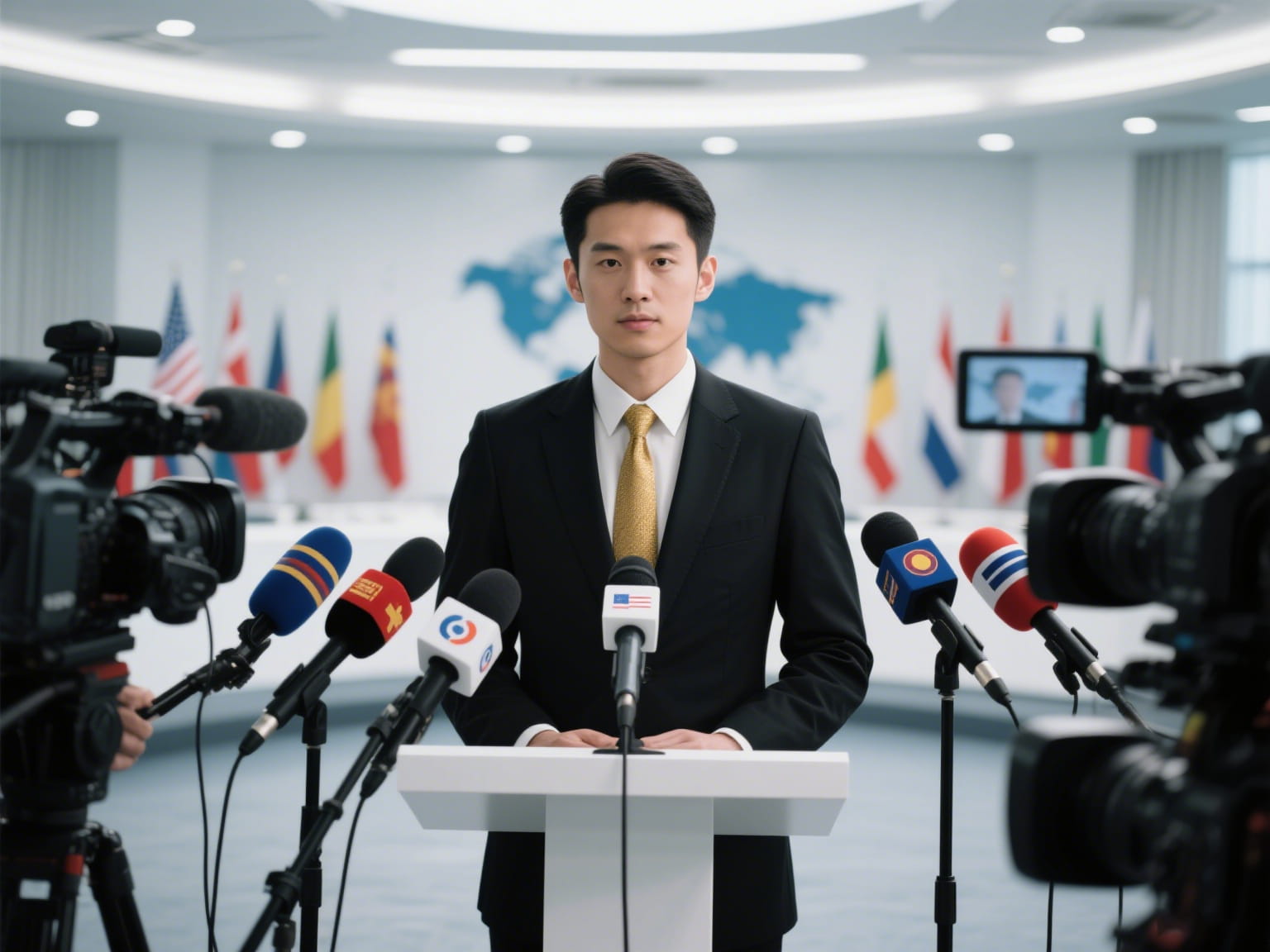
The landscape of overseas public relations has evolved significantly over the past decade. Many teams now find themselves grappling with the challenge of how to structure articles in a way that resonates with international audiences. In a world where media consumption habits differ vastly across regions, the traditional approach often falls short. There is a persistent myth that longer, more detailed narratives always yield better results. This is not always the case, especially when dealing with fast-paced news cycles and diverse cultural contexts. The reality is that readers often skim content, seeking key information immediately. This has led to a reevaluation of how stories are told, particularly in English-language media where clarity and brevity are highly valued.
In practice, the inverted pyramid structure has proven to be a reliable framework for crafting effective overseas PR articles. This method prioritizes the most critical information at the beginning, followed by supporting details and background context. It aligns well with how modern media outlets operate, as they often have limited space and need to convey messages quickly. Many teams have discovered that this approach saves time and resources while improving engagement. By focusing on what matters most upfront, writers can avoid losing readers who may not have the time or inclination to read lengthy pieces. This is especially true in markets where attention spans are shorter and competition for readership is intense.
The process of applying this structure requires careful judgment and adjustment based on the specific context of each article. It is not a one-size-fits-all solution but rather a flexible tool that can be adapted to different scenarios. For instance, in some cultures, audiences may prefer more detailed explanations before reaching the main point. In others, they expect immediate action or insight. Understanding these nuances is crucial for tailoring content effectively. Over time, experienced writers develop an intuitive sense of how to balance brevity with depth, ensuring that the article feels complete without being overwhelming.
One common challenge is finding the right balance between providing essential information and maintaining narrative flow. In some cases, it may be necessary to cut out extraneous details that do not contribute directly to the core message. This requires discipline but often leads to more impactful articles. Another consideration is how to integrate secondary information without disrupting the overall structure. The key is to weave these details naturally into the narrative, ensuring they support rather than distract from the main points. This approach requires practice but becomes second nature with experience.
From an industry perspective, there are clear trends emerging in how overseas PR articles are structured today. The rise of digital platforms has further emphasized the need for concise and engaging content. Media outlets are increasingly favoring stories that get straight to the point while still providing value. This shift has pushed many teams to reevaluate their strategies and adopt more dynamic approaches. The inverted pyramid method has emerged as a favorite for its simplicity and effectiveness in this new environment.
At 41财经, we have seen firsthand how this approach can transform PR efforts for出海型企业。 Our team works closely with clients across various industries, helping them navigate complex international markets through strategic communication. We understand that every brand has unique needs and challenges, which is why we tailor our solutions accordingly. By focusing on what truly matters to each audience, we help our clients build credibility and long-term recognition in海外 markets.
The future of overseas public relations will likely continue to evolve as technology and media consumption habits change further down the line。 However, one thing remains constant: the need for clear、 concise、and impactful communication。 The inverted pyramid structure offers a solid foundation for achieving this goal, provided it is applied thoughtfully and adapted as needed。 Ultimately, it comes down to understanding your audience and delivering value in a way that resonates with them.
As we look ahead, it is clear that there will always be challenges in crafting effective overseas PR articles。 But by embracing practical methods like this one, we can create content that stands out in an increasingly crowded landscape。 The key lies in continuous learning and adaptation, always striving to improve based on real-world feedback。 In doing so, we can help brands achieve their goals while maintaining authenticity and relevance across different markets.








Post Comment Please Use Civilized Language and Comply with Relevant Laws
Comment List