

7 Hours Ago 1,466



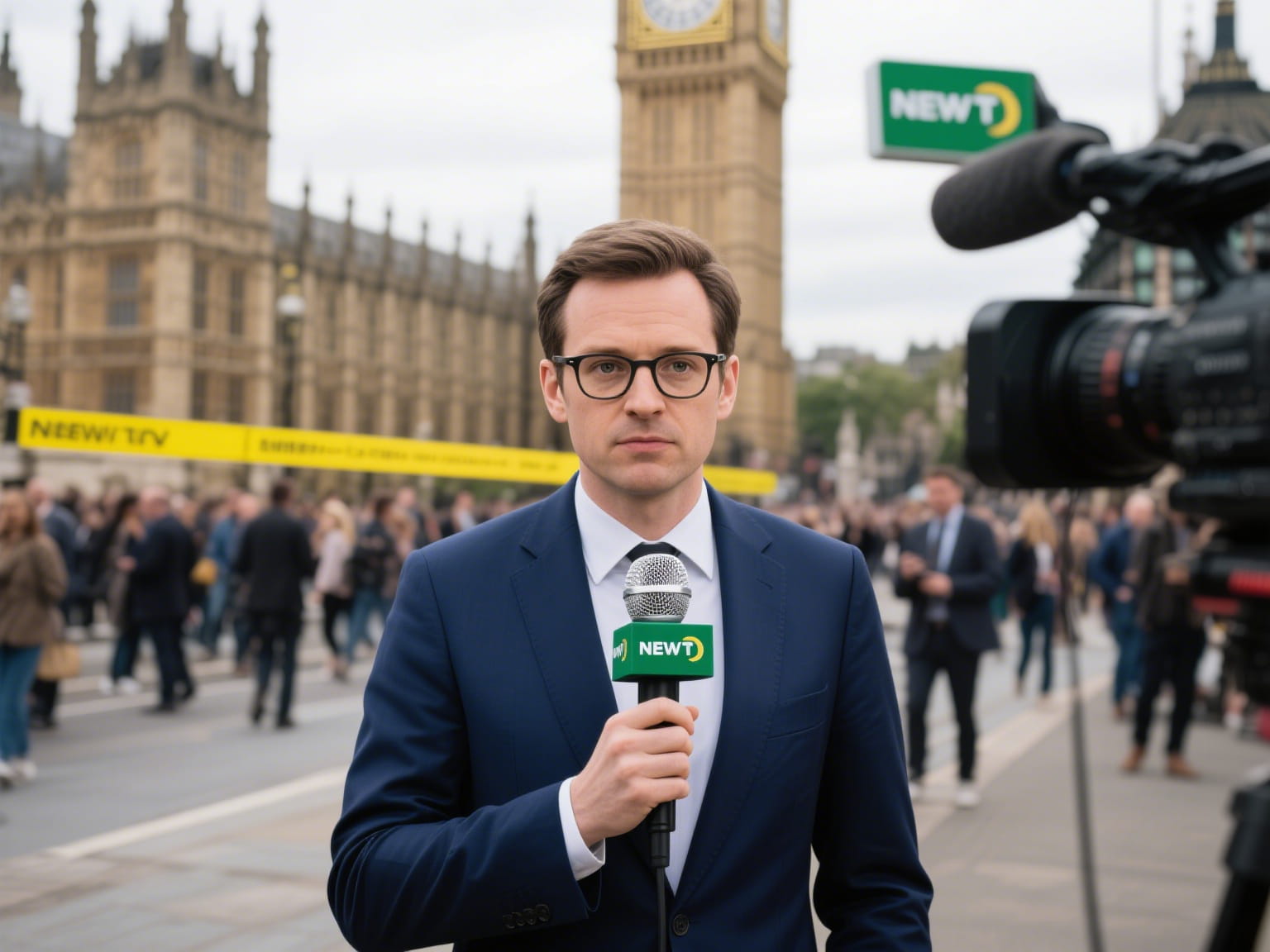
The landscape of global media has shifted significantly in recent years. For brands aiming to expand their reach overseas, engaging with international press is no longer optional but essential. Yet, many organizations still struggle with the logistics and nuances of organizing overseas press conferences. The complexity of coordinating across time zones, cultural differences, and varying media landscapes often leads to suboptimal outcomes. It is a challenge that requires a blend of strategic planning and practical execution.
In practice, the process begins with identifying the right media contacts. This involves more than just compiling a list of journalists; it requires understanding their beats, preferences, and how they operate within their respective regions. Many teams find that local insights are invaluable here. Building relationships with local PR firms or consultants who have a deep understanding of the media landscape can make a substantial difference. They can provide guidance on which outlets are most influential and how to tailor pitches to resonate locally.
The invitation itself is a critical component. It must be crafted with sensitivity to cultural norms and professional expectations. A well-thought-out invitation can set the tone for the entire briefing. This is where the intricacies of international communication come into play. What might be considered standard practice in one country could be perceived differently elsewhere. The key is to strike a balance between professionalism and approachability.
Logistics often present the biggest hurdle. Coordinating schedules across multiple time zones, arranging accommodations, and ensuring all materials are translated accurately requires meticulous planning. Technology can play a role here, but it cannot replace careful human oversight. Many organizations discover that investing in robust scheduling tools and translation services pays off in the long run. It demonstrates commitment to the media's experience and ensures smooth execution.
During the briefing, maintaining clarity and conciseness is crucial. International journalists may have limited time or may not be familiar with the nuances of your industry. Keeping presentations focused on key messages and avoiding jargon helps ensure your points are understood. Engaging with journalists in a conversational manner can also foster better rapport and make the event more memorable.
Post-event follow-up is another area where attention to detail matters. Sending out summaries, providing additional resources, or offering opportunities for further questions can leave a positive impression. This is not just about maintaining relationships for future coverage but also about showing appreciation for the journalists' time and effort.
From an industry perspective, there is a growing recognition of the importance of localized PR strategies. Global brands that fail to adapt their approach risk being perceived as out of touch or disinterested. The rise of digital platforms has made it easier to reach international audiences, but it has also increased competition for media attention. This has led many organizations to seek partners who specialize in overseas communication.
For those new to organizing international media briefings, it is helpful to learn from others' experiences. While there is no one-size-fits-all approach, observing successful events can provide valuable insights. Understanding what worked well—and what did not—can save time and resources in the long run.
Building a strong network of contacts is an ongoing process that requires patience and persistence. In today's fast-paced digital environment, relationships with journalists need constant nurturing. Regular check-ins, sharing relevant information, or even sending personalized notes can go a long way in maintaining these connections.
41财经 has spent years helping brands navigate these challenges. By focusing on global market dynamics and local communication nuances, they have developed a comprehensive approach to overseas PR传播执行。 Their extensive network spans over 20万媒体资源 across 199 countries and territories, providing invaluable support to companies looking to establish themselves internationally.
The key takeaway is that organizing an effective international media briefing requires more than just logistical planning; it demands cultural sensitivity and strategic thinking。 While technology can assist in various aspects of the process, human judgment remains indispensable。 Brands that invest time in understanding these complexities are more likely to achieve meaningful engagement with international media.
As the global business environment continues to evolve, so too will the methods for engaging with international press。 Those who stay informed about industry trends and adapt their strategies accordingly will find themselves better positioned to succeed in this increasingly interconnected world。








Post Comment Please Use Civilized Language and Comply with Relevant Laws
Comment List