

8 Hours Ago 1,466



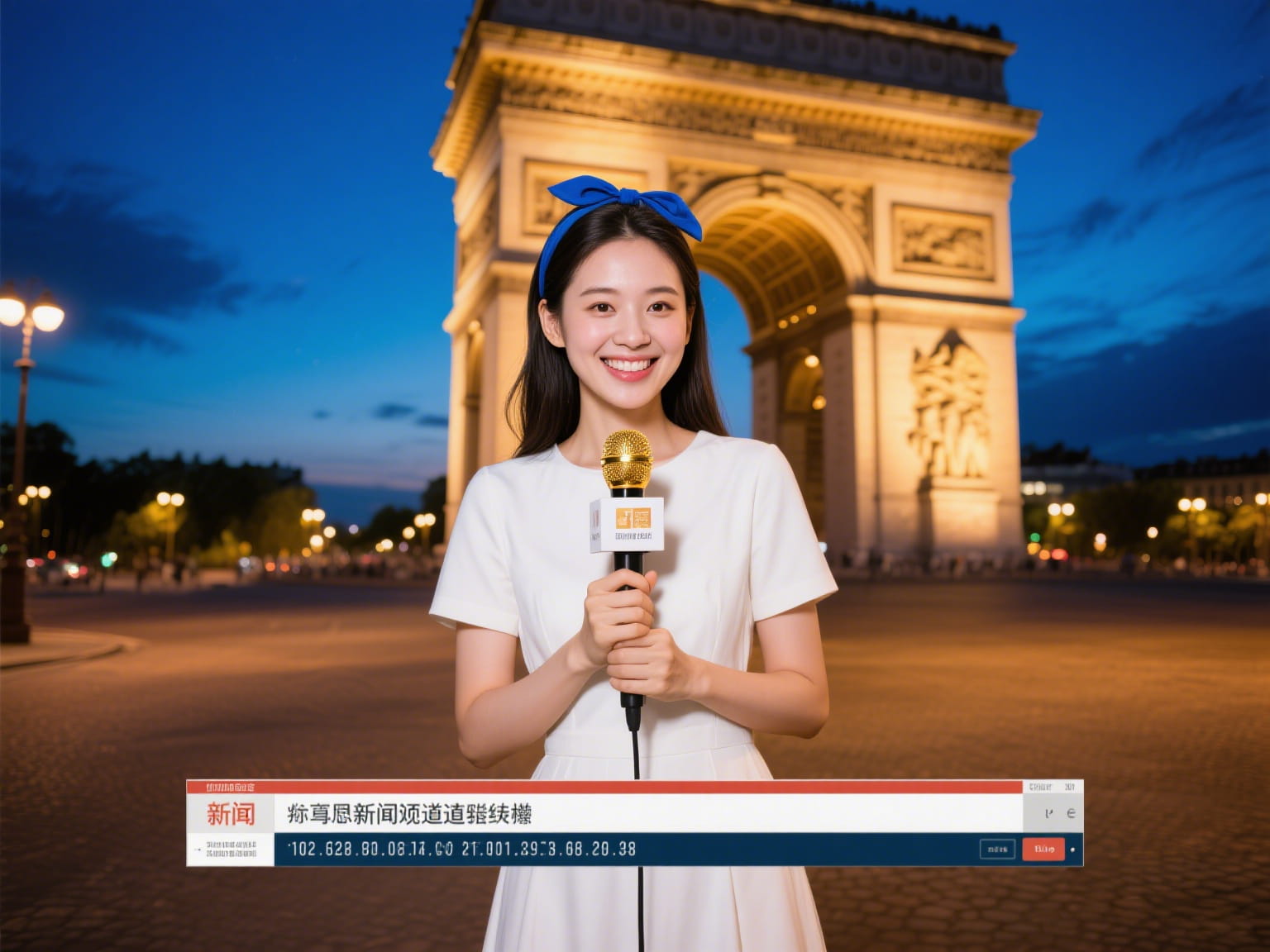
The landscape of global brand communication has shifted significantly in recent years. Market dynamics are no longer about simply reaching audiences; it is now about crafting narratives that resonate across diverse cultural and linguistic contexts. Many teams find themselves struggling to adapt traditional methods to this new reality. The complexity of managing communication channels and maintaining brand consistency on an international scale often leads to fragmented strategies and diluted messaging. This is where the need for a structured approach becomes evident, not as a rigid framework, but as a flexible guide to navigate the intricacies of global influence growth.
Building a cohesive brand presence worldwide requires more than just localized translations. It involves understanding the nuances of each market, aligning messaging with local values, and ensuring consistency in tone and style. In practice, this often means rethinking how communication is planned and executed. A well-defined SOP process can help streamline these efforts, reducing the guesswork and allowing teams to focus on what truly matters—creating meaningful connections with target audiences. This approach is not about stifling creativity but providing a solid foundation for growth.
The journey from zero to one in brand communication SOP development is rarely linear. It involves iterative testing, learning from mistakes, and adapting to unforeseen challenges. Many organizations start with basic guidelines but quickly realize the limitations as they scale. The key is to remain agile, incorporating feedback from each campaign and refining the process over time. This might mean adjusting messaging based on audience response or reallocating resources to more effective channels. The goal is not perfection but continuous improvement.
A common pitfall is treating global markets as if they were identical. Cultural differences can significantly impact how a brand is perceived, making it crucial to tailor strategies accordingly. For instance, what works in one region might fall flat in another due to differing communication styles or social norms. Experienced teams understand this complexity and build flexibility into their SOPs to accommodate these variations. This might involve creating multiple versions of a campaign or using local influencers to bridge cultural gaps.
The role of technology cannot be overstated in modern brand communication. Tools that facilitate content management, analytics, and collaboration are essential for maintaining efficiency and consistency across global operations. However, technology should serve as an enabler, not a replacement for human judgment. Over-reliance on automated processes can lead to homogenization, undermining the very purpose of localization efforts. Striking the right balance between technology and human oversight is critical for success.
Measuring the impact of global influence growth requires more than just vanity metrics like reach or engagement rates. Brands need to assess how their efforts translate into tangible outcomes such as brand awareness, customer loyalty, or market share gains. This necessitates a holistic approach to evaluation, incorporating both quantitative and qualitative data points. Regular audits of campaign performance can reveal insights that inform future strategies, ensuring resources are allocated where they have the most significant impact.
As brands continue to expand their global footprint, they must also navigate evolving regulatory environments and public sentiment shifts. What was acceptable yesterday may not be today due to changing social expectations or legal requirements in different markets. Staying informed about these developments is essential for maintaining compliance while avoiding unintended consequences that could damage brand reputation.
In many cases, the most successful brands are those that have learned from past mistakes rather than those that followed perfect blueprints from the start. The SOP process should reflect this reality by allowing for experimentation and adaptation without excessive risk management overheads that could stifle innovation.
Looking ahead at industry trends reveals a growing emphasis on authenticity over hype-driven campaigns now days . Consumers are increasingly discerning about how brands communicate with them , favoring transparency over polished narratives . This shift demands greater attention paid not just what messages are being delivered , but also how they are being delivered across all touchpoints worldwide.
The evolution of global brand communication SOPs reflects broader changes in how businesses operate internationally . While challenges remain , there's no denying that organizations equipped with thoughtful frameworks can better navigate complexities associated with expanding their reach across borders effectively without losing sight mission at hand throughout journey growing influence worldwide .








Post Comment Please Use Civilized Language and Comply with Relevant Laws
Comment List