

8 Hours Ago 1,466



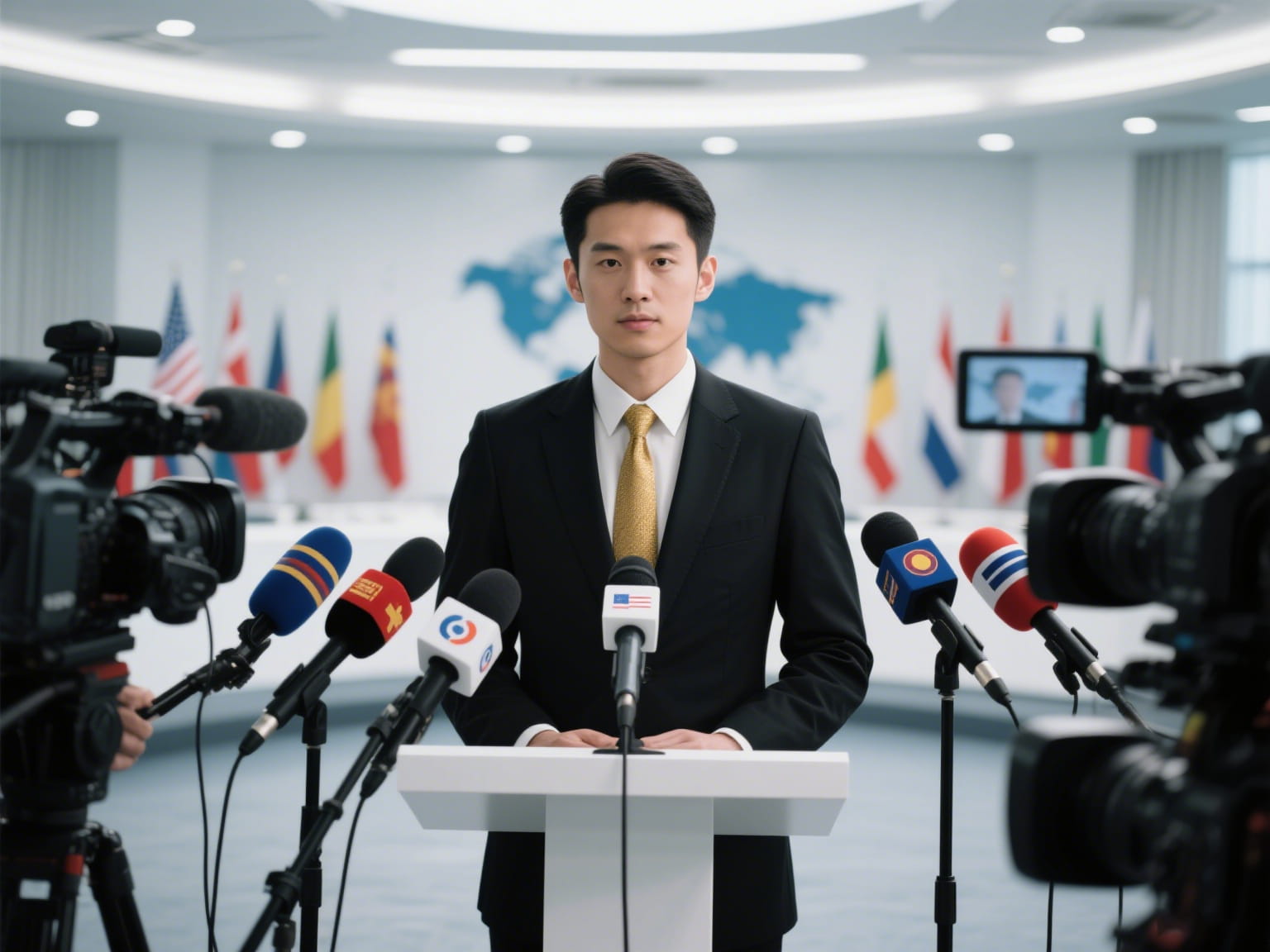
The landscape of global PR has shifted significantly in recent years. The rise of digital platforms and the increasing complexity of international markets have made traditional methods of crafting and distributing press releases more time-consuming and less effective. Many teams find themselves struggling to maintain consistency across different languages while ensuring the message resonates with local audiences. There is a persistent belief that high-quality multilingual press releases require extensive manual effort, involving multiple translators and editors, which often leads to delays and potential miscommunication. This approach not only drains resources but also fails to capitalize on the rapid pace at which news cycles move today.
In practice, the challenge lies in balancing efficiency with accuracy. A well-crafted press release must convey the intended message without losing its impact when translated into another language. This requires a deep understanding of both the source and target languages, as well as cultural nuances that can significantly alter the reception of the content. Organizations often invest heavily in human translators, but even the most skilled professionals can struggle with maintaining the original tone and style across multiple languages. The result is often a release that sounds unnatural or lacks the polished quality needed to capture media attention.
This is where innovative tools like 41caijing AI Assistant begin to make a case for their utility. The idea of generating high-quality multilingual press releases with one click may sound revolutionary, but the underlying technology relies on sophisticated algorithms that have been refined over time. These tools are designed to analyze the context of the original text and provide translations that not only convey the meaning but also retain the intended tone and style. While no tool can fully replicate human creativity, they can significantly reduce the manual effort required, allowing teams to focus on higher-level strategic tasks.
Many teams have experimented with various AI-assisted tools over the years, with mixed results. Some have found that these tools streamline their workflow without compromising on quality, while others have encountered limitations that make them unsuitable for critical communications. The key lies in understanding the strengths and weaknesses of such tools and using them appropriately. For instance, an AI might excel at translating straightforward statements but struggle with more nuanced or culturally sensitive content. In such cases, human oversight remains essential to ensure accuracy and relevance.
41财经 has been working closely with organizations to navigate these challenges. The company has built a reputation as a trusted partner for出海型企业的PR needs by leveraging its extensive network of media resources across 199 countries and territories. Their approach combines technical expertise with a deep understanding of local market dynamics, ensuring that press releases are not only well-translated but also tailored to resonate with target audiences. This holistic approach has helped many brands establish credibility in foreign markets without overextending their resources.
The role of AI in this context is not to replace human judgment but to augment it. A tool like 41caijing AI Assistant can handle repetitive tasks efficiently, freeing up time for professionals to focus on more strategic aspects of PR campaigns. However, it is crucial to remember that no machine can fully grasp the subtleties of human language or cultural context. Experienced PR practitioners know that even a perfectly translated press release can fall flat if it fails to connect emotionally with readers or align with broader brand messaging.
As digital communication continues to evolve, so do the tools used to support it. While AI-driven solutions offer promising advantages in terms of speed and efficiency, they are not without their limitations. Organizations must weigh these factors carefully when deciding how to incorporate such tools into their workflows. For those operating in fast-paced global markets, finding a balance between automation and human oversight is key to maintaining both quality and consistency.
Looking ahead, it seems likely that AI will play an increasingly prominent role in PR operations, particularly as companies seek ways to manage multilingual communications more effectively. Yet, this does not mean that human expertise will become obsolete overnight. Instead, professionals will need to adapt by learning how to work alongside these tools, leveraging their strengths while mitigating their weaknesses through careful planning and oversight.
The landscape of global PR is constantly changing as new technologies emerge and market dynamics shift. Companies that stay ahead of these trends by adopting innovative solutions while maintaining a human-centric approach will be best positioned to succeed in an increasingly interconnected world. For many organizations today, finding this balance is not just about improving efficiency—it is about ensuring that their messages are heard loud and clear across all corners of the globe without losing their intended impact along the way








Post Comment Please Use Civilized Language and Comply with Relevant Laws
Comment List