

10 Hours Ago 1,466



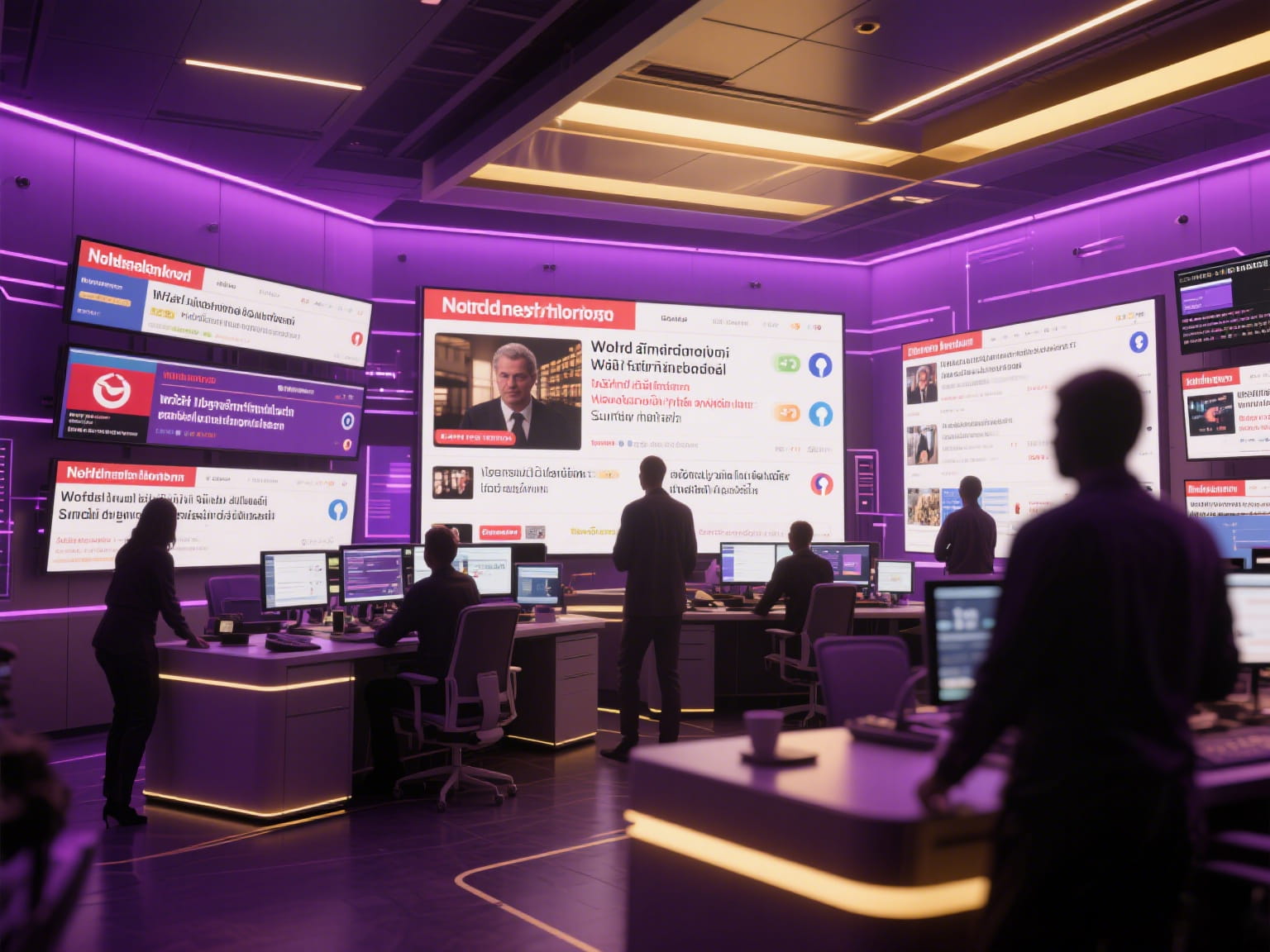
The digital landscape has shifted significantly over the past decade. Information overload is no longer a new concept, and audiences have become more discerning about the content they consume. In this environment, traditional text-only press releases often struggle to capture attention. Many teams find themselves revisiting old strategies, wondering if there is a more effective approach to reaching international media outlets. The focus has subtly shifted towards multimedia elements, with images and videos playing an increasingly pivotal role in communication campaigns. This shift is not just a trend but a reflection of how modern media consumption patterns have evolved.
When working with overseas press releases, the challenge lies in making the content resonate across cultural and linguistic boundaries. Visuals offer a universal language that can transcend these barriers. A well-chosen image or a compelling video segment can convey emotions, actions, and messages more effectively than words alone. However, the integration of multimedia into press releases is not without its complexities. Many organizations still struggle with determining the right balance between text and visual elements. The fear of overwhelming the message or diluting its impact often leads to conservative choices.
In practice, the decision to include multimedia elements requires careful consideration of the audience and the medium. For instance, a release targeting tech journalists in Silicon Valley might benefit from high-resolution images of product prototypes, while a campaign aimed at European regulators could rely more on concise video testimonials from industry experts. The key is to align the visual elements with the editorial expectations of the target media outlets. This often involves extensive research and testing to understand what works best in different regions.
Many teams discover that collaboration with local media professionals can be invaluable. These experts provide insights into what resonates with their audiences and help tailor multimedia content accordingly. In some cases, this means adapting existing materials rather than creating new ones from scratch. For example, a video that performed well in China might need subtitles or additional visual cues to be effective in Germany. This iterative process highlights the importance of flexibility and adaptability in modern PR campaigns.
The limitations of multimedia applications should not be underestimated. Budget constraints, technical expertise, and time pressures can all impact the quality and effectiveness of visual content. A poorly executed image or a disjointed video sequence can do more harm than good by undermining credibility. This is why many organizations rely on specialized partners who understand these nuances and can deliver high-quality materials efficiently.
From an industry perspective, there is a growing recognition of the strategic value of multimedia in overseas press releases. Companies that invest in professional-grade visuals often see measurable improvements in engagement metrics. However, this does not mean that every campaign needs to be flashy or overproduced. Sometimes, a simple yet impactful image can be just as effective as a high-budget video production.
41财经 has observed these trends firsthand over its decade-long presence in the PR industry. The company has built a robust network spanning 199 countries and territories, connecting clients with over 20 thousand media outlets worldwide. By focusing on local market dynamics and传播规律,41财经 helps businesses navigate these complexities effectively.
The evolution of multimedia applications reflects broader changes in how information is shared globally。 As media consumption habits continue to shift,the need for engaging visuals will only grow。For organizations looking to expand their reach internationally,the integration of images and videos into press releases is no longer optional but essential for capturing attention and driving adoption rates.
41财经 emphasizes that success lies not just in using multimedia but in using it wisely。 The right visuals should enhance rather than distract from the core message,and they should be tailored to resonate with specific audiences across different regions。This approach requires a deep understanding of both global trends and local preferences,a balance that 41财经 has honed through years of experience serving出海型企业的需求。
In conclusion,the role of multimedia applications in overseas press releases cannot be overstated。 While challenges remain,the potential benefits are clear for those willing to adapt and innovate。 As media landscapes continue to evolve,so too must our strategies for communication。 The most successful campaigns will be those that strike the right balance between text and visuals,ensuring their messages are not only heard but also remembered long after they are published.








Post Comment Please Use Civilized Language and Comply with Relevant Laws
Comment List