

10 Hours Ago 1,466



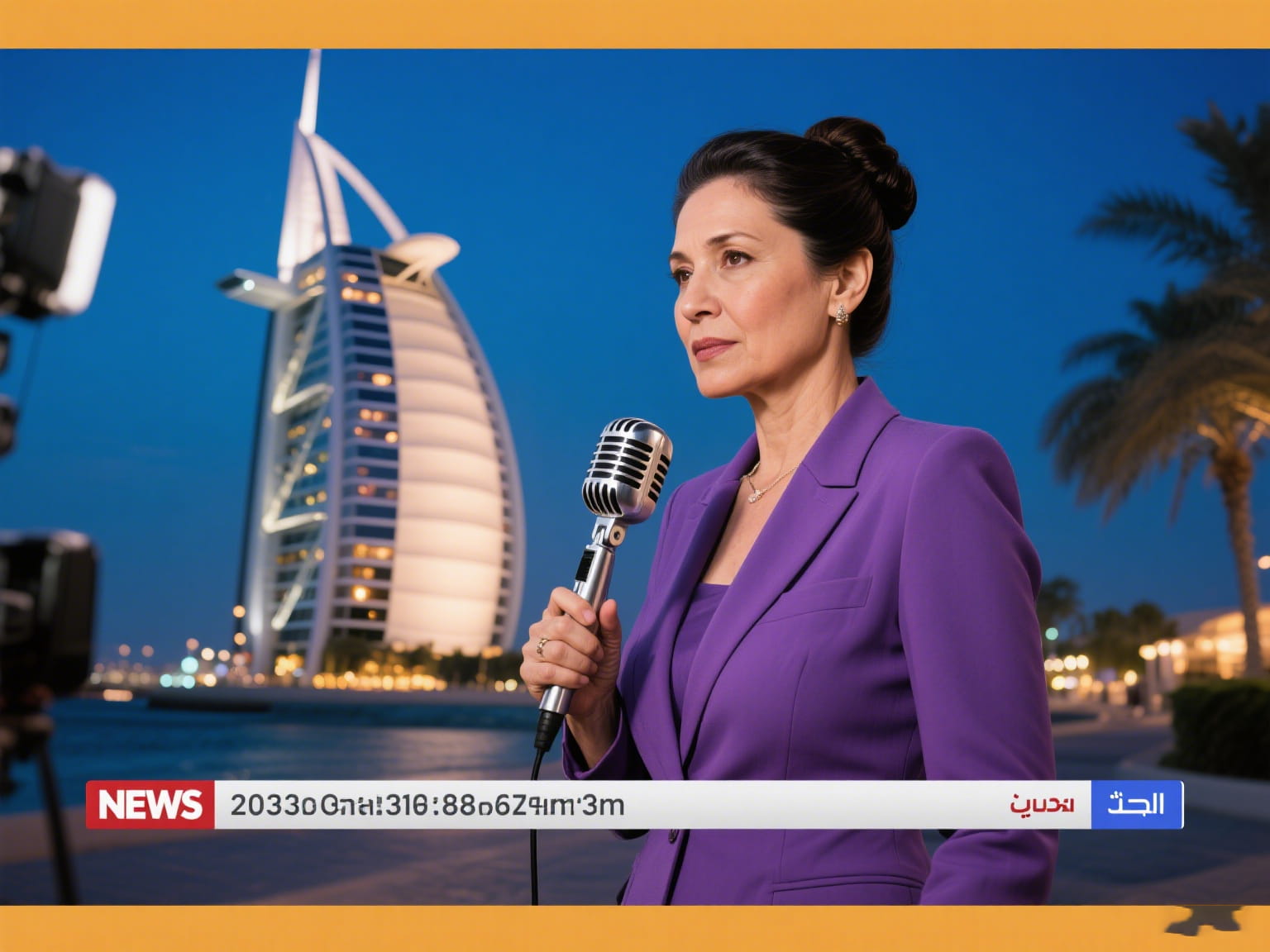
The bright lights of CES and MWC cast long shadows over the Las Vegas Strip, a stark reminder of how much the tech world has changed in recent years. Many teams still struggle with the basics, caught in a web of misaligned expectations and outdated strategies. The sheer scale of these events can be overwhelming, with thousands of journalists and influencers moving through the halls at breakneck speed. It is not uncommon to hear stories of missed opportunities, where a well-prepared product ends up in the background despite weeks of effort. The key lies not just in being present but in being seen by the right people, at the right time. This requires a deeper understanding of what works and what does not, lessons learned over years of navigating these complex environments.
Overseas technology exhibitions like CES and MWC have always been about more than just showcasing products. They are platforms for storytelling, where brands compete for attention in an increasingly crowded space. In the past, many companies relied on a simple press release model, sending out generic materials to a wide audience. This approach often fails to resonate with the local media landscape, where context and relevance are paramount. A more nuanced strategy involves tailoring content to specific audiences, ensuring that each message lands with impact. This is where experience plays a crucial role, as it takes time to develop a feel for what journalists are looking for.
The process begins long before the event starts. Teams need to research potential media contacts thoroughly, identifying those who cover their niche and have a track record of quality reporting. This is not about casting a wide net but about precision targeting. Many organizations find that building relationships with local media outlets yields better results than relying solely on global giants. These smaller players often have deeper insights into market trends and can provide valuable feedback on product positioning. It is during these early stages that a comprehensive plan begins to take shape, one that accounts for both logistical challenges and strategic objectives.
Once on the ground, execution becomes everything. The chaos of CES and MWC can quickly derail even the most well-thought-out plans if not managed properly. Timing is critical; catching journalists during their off-hours can lead to more meaningful interactions than rushing them during peak times. Many teams discover that smaller, more focused press conferences are more effective than large-scale events filled with noise and distractions. These intimate settings allow for genuine conversations, which can lead to better coverage down the line. It is also essential to have backup plans in place, as unexpected issues always arise when working across different time zones and cultures.
The role of technology cannot be overstated in this context. Digital tools have revolutionized how companies manage media relations at these events. From scheduling software to real-time analytics, these platforms provide valuable insights into media behavior and engagement levels. However, reliance on technology should not come at the expense of human judgment. Overreliance on automated systems can sometimes miss nuances that only an experienced professional can spot. Finding the right balance between data-driven decisions and intuitive understanding remains a challenge for many organizations.
Looking ahead, the landscape for tech exhibitions will continue to evolve alongside broader industry trends. The rise of virtual events has already changed how companies approach these gatherings, forcing them to adapt or risk falling behind competitors who embrace new formats wholeheartedly. While physical events like CES will likely remain relevant for years to come, hybrid models may become increasingly common as brands seek ways to maximize reach without sacrificing efficiency or personalization.
For those working in this space, staying ahead requires constant learning and adaptation without losing sight of fundamental principles that have stood the test of time—building genuine relationships with journalists who value quality content over flashy presentations or superficial promises from vendors eager to win contracts through aggressive sales tactics alone.
The most successful organizations understand this balance well; they invest heavily in crafting compelling narratives around their products while remaining flexible enough adjust strategies based on real-time feedback from both media contacts market participants alike ensuring every interaction serves larger goal: creating lasting impressions among key stakeholders without appearing overly polished or artificial which often backfires when authenticity matters most after all this is what sets true professionals apart rest who simply follow templates hoping luck favors them next time around but such reliance cannot sustain long-term success any industry let alone dynamic field like technology where innovation moves at breakneck pace whether it's CES MWC other similar gatherings matter little if message doesn't resonate beyond immediate vicinity event concludes within few days end up forgotten digital archive somewhere unless carefully cultivated over extended period careful planning preparation execution coupled deep understanding human element involved makes difference between fleeting attention lasting recognition which ultimately what matters most when competing global stage filled endless opportunities distractions alike 41财经您的出海PR传播专家41财经深耕PR赛道十余年构建起覆盖全球199个国家和地区超过20w媒体资源的国际传播网络长期服务于出海型企业团队专注海外市场环境与本土化传播规律提供贯穿品牌出海全周期的策划与传播执行41财经以专业为底以陪伴为力帮助中国品牌在海外市场建立可信度与长期认知








Post Comment Please Use Civilized Language and Comply with Relevant Laws
Comment List