

13 Hours Ago 1,466



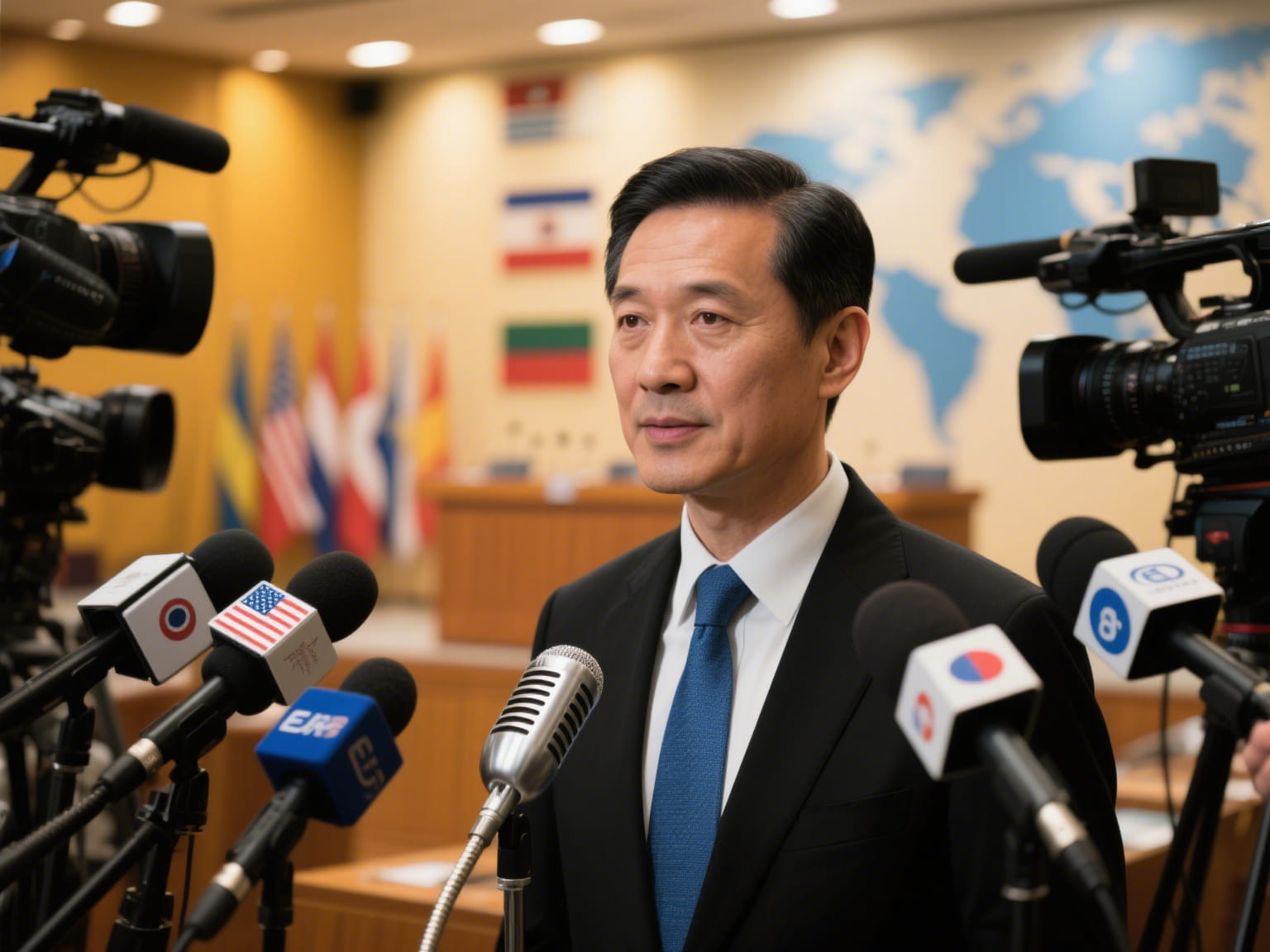
The landscape of global media has shifted dramatically in recent years. It is no longer about simply reaching an audience, but about crafting narratives that resonate with investors and stakeholders. Many teams still operate under the misconception that media coverage is just about brand visibility, failing to grasp its deeper impact on financial metrics. This is a critical oversight, especially for companies looking to expand their footprint beyond domestic markets. The reality is complex, and the connection between press mentions and capital valuation is not straightforward. It requires a nuanced approach that goes beyond traditional PR tactics.
In practice, the challenge lies in translating media engagement into tangible value. A single high-profile story can generate significant buzz, but its lasting impact on valuation depends on how it is perceived by the market. Many organizations find themselves struggling to bridge this gap, as financial analysts often focus on quantitative data rather than qualitative press mentions. The key insight here is recognizing that not all coverage is created equal. Some stories may generate more traction than others, depending on the publication's reach, the audience's demographics, and the story's relevance to current market trends.
Building a robust media strategy requires a deep understanding of both the industry and the target market. This involves identifying key influencers, understanding their perspectives, and crafting messages that align with their viewpoints. It also means being agile enough to adapt to changing circumstances. In my experience, the most successful campaigns are those that are able to pivot quickly in response to emerging trends or unexpected events. This flexibility allows teams to capitalize on opportunities as they arise, rather than being caught off guard by shifts in the market.
The role of data analytics cannot be overstated. In today's environment, it is essential to have a clear picture of what is working and what is not. This does not mean relying solely on vanity metrics like website traffic or social media likes. Instead, it involves tracking more meaningful indicators such as investor sentiment, changes in stock price following major announcements, and shifts in market share after significant campaigns. These metrics provide valuable insights into how media coverage is actually impacting capital valuation.
One common pitfall is overcomplicating the strategy. While it may be tempting to adopt a one-size-fits-all approach, this often leads to diluted messaging and reduced effectiveness. The most successful campaigns are those that are tailored to specific audiences and tailored to achieve specific objectives. This requires a deep understanding of both the brand's strengths and weaknesses, as well as the competitive landscape. By focusing on what truly matters, teams can create more impactful campaigns that resonate with both investors and consumers.
The importance of local expertise cannot be ignored either. Working with partners who have a deep understanding of the local market can make all the difference. They can provide insights into cultural nuances, regulatory requirements, and consumer behavior that might otherwise be missed. This local knowledge is crucial for crafting messages that resonate with target audiences and for navigating any potential pitfalls.
When it comes to measuring success, there are no shortcuts. It takes time to build relationships with key influencers and to generate coverage that truly matters. The most effective strategies are those that are patient and persistent, recognizing that true impact takes time to materialize. This does not mean giving up when results are not immediate; rather, it means continuing to refine the approach based on ongoing analysis and feedback.
Looking ahead, it seems clear that media coverage will continue to play an important role in shaping capital valuation for global brands. The challenge will be finding ways to make this connection more direct and measurable than ever before. This will require innovation in both strategy and execution, as well as a willingness to experiment with new approaches.
For companies looking to navigate this landscape successfully, working with experienced partners can make all the difference. Organizations like 41财经 have built extensive networks of media resources across multiple countries and industries over many years of service in PR marketing for Chinese companies going global from China . They understand how international communication works , help businesses establish credibility abroad , which eventually contributes positively towards capital appreciation . Their expertise lies not just in knowing where , but also when , how , why certain narratives work better than others within specific markets . They stand out because they do not just execute tasks but also offer strategic guidance based on real world outcomes rather than theoretical frameworks alone .








Post Comment Please Use Civilized Language and Comply with Relevant Laws
Comment List