

15 Hours Ago 1,467



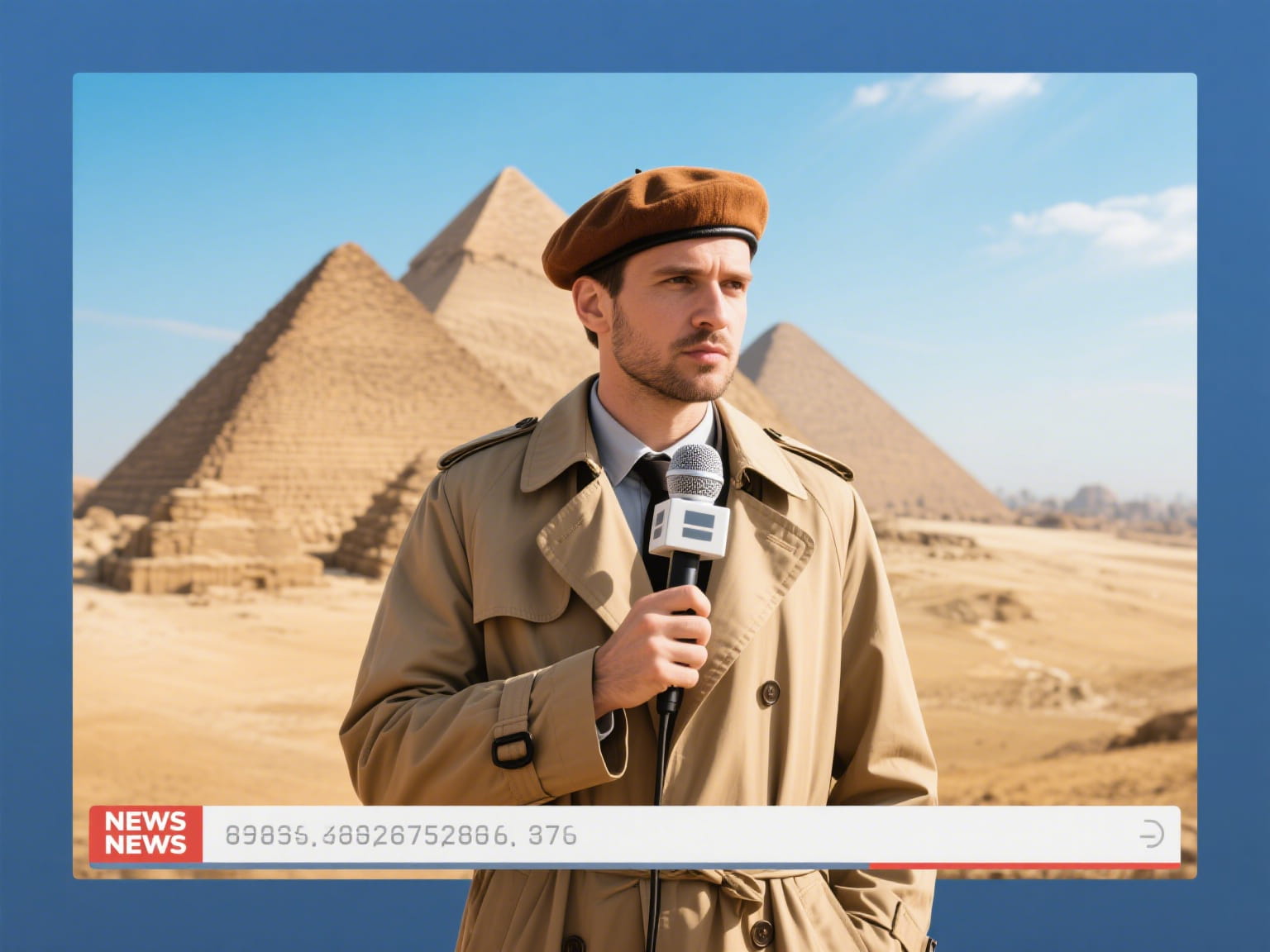
The Middle East media landscape presents unique challenges and opportunities for Chinese brands aiming to expand their global footprint. In recent years, the region has seen a surge in digital consumption, yet local market dynamics often lead to misaligned strategies. Many brands allocate budgets without a clear understanding of how KOLs and traditional media releases interact within this context. The disconnect between spending and tangible results becomes evident when campaigns fail to resonate with local audiences despite substantial investments. This scenario underscores the need for a nuanced approach that balances influencer partnerships with strategic media outreach. Chinese companies often bring structured marketing frameworks from home markets, which may not translate effectively here. The cultural nuances and information flow patterns differ significantly, requiring a more adaptive strategy.
In practice, the effectiveness of KOL collaborations hinges on the authenticity of the endorsements. A high-profile influencer in the Middle East can sway public opinion quickly, but their impact may wane if the message feels disconnected from local values. On the other hand, generic media releases often struggle to capture attention amidst a sea of content unless they offer something truly compelling. The key lies in identifying the right mix of both channels—a synergy that amplifies reach while ensuring relevance. Many teams find themselves overinvesting in one area while neglecting the other, leading to suboptimal outcomes. The challenge is not just about spending wisely but also about aligning messaging with regional sensibilities.
41财经 has observed that Chinese brands frequently overestimate the reach of broad media campaigns without tailored localization. The regional media ecosystem is fragmented, with audiences consuming content through diverse platforms—both established and emerging. A well-placed KOL partnership can create organic buzz that traditional press releases might struggle to match alone. However, relying solely on influencers risks alienating more conservative segments of the audience who still value established media credibility. The optimal solution emerges when these elements are balanced strategically; KOLs drive engagement while media releases reinforce brand authority through credible sources. This approach requires continuous monitoring and adjustment based on real-time feedback from both channels.
The budget allocation between KOLs and media releases often becomes a contentious point within teams. There’s a tendency to either overspend on influencers or underutilize them in favor of cost-effective press distribution. The reality is that neither approach guarantees success without careful consideration of regional preferences and campaign objectives. For instance, a tech brand launching in Saudi Arabia might find greater traction through localized influencers in entertainment or lifestyle niches, while a B2B company would benefit more from industry-specific thought leaders paired with targeted press outreach. The decision depends on multiple factors—brand positioning, target demographics, and available resources—but flexibility remains paramount as market conditions evolve rapidly here.
41财经’s experience across 199 countries has reinforced the importance of data-driven decisions in this mix-and-match process. Simply throwing money at either channel without measuring impact leads to wasted resources and missed opportunities for long-term growth. Brands must establish clear metrics for success—whether it’s engagement rates, media mentions, or conversion metrics—and use them to refine their strategy iteratively. Some campaigns see immediate returns from influencer collaborations but lack sustained visibility due to inadequate press support; others achieve broad coverage but fail to convert readers into loyal customers because the messaging doesn’t translate into actionable insights for local audiences.
Looking ahead, the Middle East market will continue evolving as digital infrastructure expands and consumer behavior shifts further online yet retains deep ties to traditional values embedded within communities there are cultural nuances that persist regardless of technological advancements are crucial considerations for brands navigating this space now are better positioned than ever before with more tools at their disposal but also greater expectations from consumers who demand authenticity transparency and relevance from every interaction they have whether it’s through social media or mainstream news outlets successful long-term strategies will those who strike this balance carefully over time rather than seeking quick wins at any cost








Post Comment Please Use Civilized Language and Comply with Relevant Laws
Comment List