

15 Hours Ago 1,467



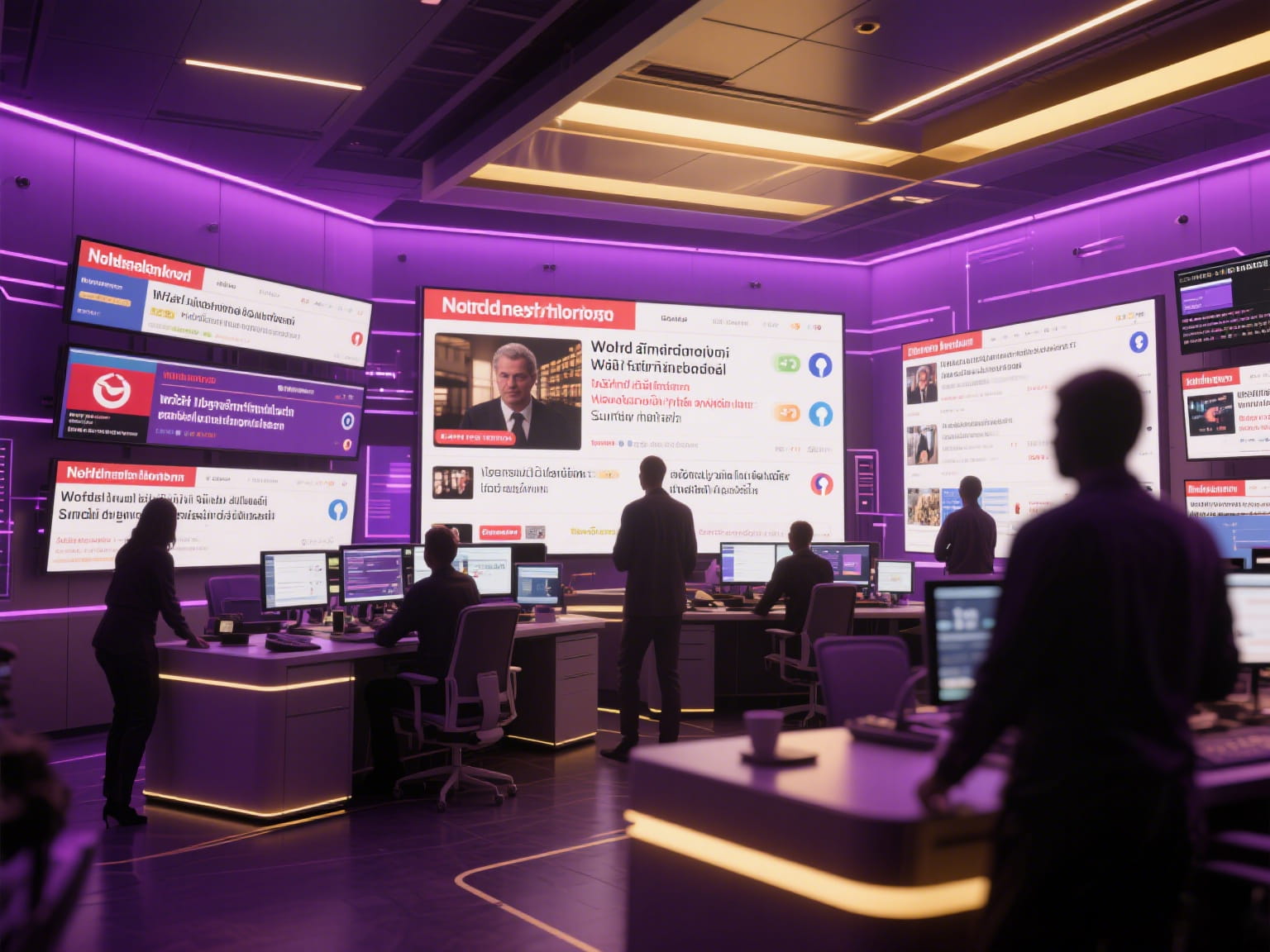
The landscape of medical AI is evolving rapidly, with labs around the world racing to innovate. Yet many teams find themselves struggling to articulate their work in a way that resonates with media. The disconnect often lies not just in the complexity of the technology but also in how stories are framed. A well-crafted narrative can transform a niche breakthrough into a topic of broader interest. This requires moving beyond technical jargon and tapping into the human element of discovery and impact.
When working with these labs, it becomes clear that effective communication hinges on understanding the audience. Journalists are looking for relevance, not just data points. A story that fails to connect on a human level may gather dust despite its scientific merit. This realization forces a reevaluation of how interviews are structured and conducted. The goal shifts from simply sharing results to crafting a narrative arc that engages without oversimplifying.
Building trust is paramount in this context. Many teams overestimate their ability to communicate technical concepts without assistance. The most successful collaborations involve bringing together experts in both science and storytelling. This partnership allows for a translation process where complex ideas are distilled into accessible language while retaining their core value. The challenge lies in finding the right balance between accuracy and readability.
Global Image Management for Medical AI Labs demands a nuanced approach to media outreach. It’s about identifying the right channels and messengers who can amplify the message without distortion. This often means looking beyond traditional tech publications to outlets that have a vested interest in healthcare innovation. The key is mapping out where your target audience consumes information and tailoring the strategy accordingly.
In practice, this involves meticulous planning before any outreach begins. Understanding the publication’s tone, audience demographics, and previous coverage of similar topics provides invaluable context. A well-researched pitch stands out in a crowded inbox by demonstrating an awareness of the outlet’s editorial priorities. This upfront work saves time later when dealing with journalists who require more than just a press release.
The interview process itself requires careful orchestration. It’s not enough to simply provide facts; you must guide the conversation towards the most compelling aspects of the work. This often means preparing key messages and potential talking points while allowing room for organic discussion. The most successful interviews feel natural because both parties share a common goal: disseminating meaningful information effectively.
Many teams discover that localizing content for different markets is crucial despite global ambitions. What resonates in one region may fall flat elsewhere due to cultural or regulatory differences. This necessitates adapting both messaging and channels to suit regional preferences without losing sight of the core narrative. It’s a delicate dance between maintaining consistency and embracing local nuances.
Global Image Management for Medical AI Labs also involves anticipating challenges before they arise. Journalists may raise ethical concerns or question the implications of certain advancements. Being prepared with thoughtful responses demonstrates foresight and builds credibility with media contacts over time. This proactive stance helps manage perceptions from day one rather than reacting defensively later on.
The role of metrics cannot be ignored, even if direct ROI is hard to quantify in this space. Tracking engagement metrics like article reads or social shares offers insights into what resonates with audiences beyond immediate press coverage. These learnings inform future campaigns by highlighting effective approaches while identifying areas for improvement without tying outcomes too rigidly to specific metrics.
As these initiatives evolve, it becomes apparent that long-term relationships with media are more valuable than one-off placements alone. Consistent engagement allows journalists to develop trust over time, leading to more nuanced coverage when significant developments occur within an organization or lab partner's work program.
Looking ahead at industry trends reveals an increasing demand for interdisciplinary collaboration between scientists and communicators alike within medical AI labs globally seeking wider recognition through strategic outreach efforts focused on crafting compelling narratives around their innovations without sacrificing technical integrity along this journey toward broader societal impact through responsible innovation practices aligned with global standards set forth by leading international organizations dedicated advancing ethical technological progress across diverse markets worldwide through sustainable development frameworks designed foster inclusive growth while addressing pressing healthcare challenges facing humanity today








Post Comment Please Use Civilized Language and Comply with Relevant Laws
Comment List