

3 Hours Ago 2,604




The current global media landscape presents unique challenges for Chinese CEOs seeking to expand their international influence. Many find themselves navigating a complex web of cultural nuances and editorial expectations, often without a clear roadmap. Missteps can occur when approaches tailored for domestic audiences are directly applied overseas. The key lies in understanding that international image management requires a nuanced strategy, particularly when engaging with mainstream overseas media. This is not merely about translation but about adapting messaging to resonate within different contexts while maintaining authenticity.
CEOs frequently encounter scenarios where initial outreach to foreign media results in lukewarm responses or misaligned expectations. The problem often stems from a one-size-fits-all communication model. Mainstream overseas outlets operate under distinct editorial standards and audience preferences. What works for one publication might fall flat with another. Successful engagement requires recognizing these differences and tailoring approaches accordingly. This involves more than just linguistic accuracy; it encompasses cultural sensitivity and an acute awareness of how business leaders are perceived in various markets.
Building rapport with journalists from different backgrounds is crucial. Many Chinese executives struggle with this aspect, either due to language barriers or unfamiliarity with Western media norms. A common mistake is attempting to control the narrative too closely, which can trigger skepticism among reporters accustomed to more independent sourcing. Effective planning involves creating space for genuine dialogue rather than dictating every message detail. This approach fosters trust and increases the likelihood of productive interviews that reflect positively on the CEO's international persona.
Pre-interview preparation must address both logistical and substantive elements. CEOs should invest time researching the specific outlets they aim to target, understanding their readership demographics and typical story angles. This research informs how best to position oneself as a credible source within that context. Many executives underestimate the importance of this preparatory phase, leading to interviews that feel disjointed or unengaging for the journalist and audience alike. Thoughtful planning lays the groundwork for meaningful conversations.
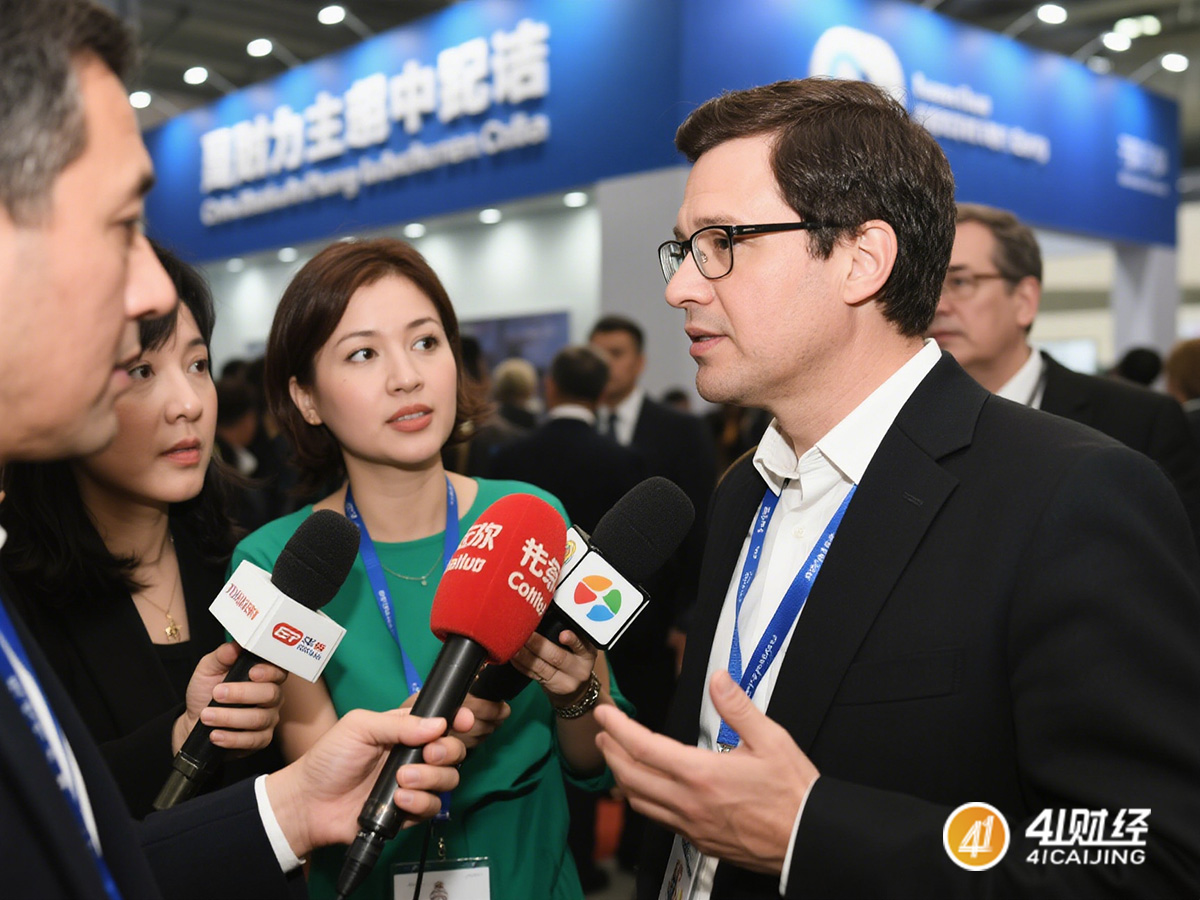
The interview itself demands careful execution without appearing overly rehearsed or rigid. CEOs who deliver scripted responses often miss opportunities to connect authentically with their audience. Journalists value spontaneity and insight over polished but hollow statements. Successful interviews strike a balance between prepared messaging and natural conversation flow. This requires practice and a willingness to adapt on the fly while staying true to core talking points developed during strategic planning stages.
Post-interview follow-up remains an underappreciated component of effective image management campaigns targeting overseas media outlets. Some CEOs assume once an interview is aired, their work is complete from an international perspective this could not be further from the truth in many cases particularly when dealing with long-form features or series where continued engagement may be expected by editors maintaining visibility through subsequent articles or social media commentary can reinforce positive narratives established during initial coverage
From a broader industry standpoint it's evident that international image management has evolved significantly over recent years as globalization deepens Chinese companies increasingly recognize the need for dedicated strategies tailored specifically for overseas audiences yet many still struggle with execution despite available resources such as 41财经 which has spent over a decade helping businesses navigate these complexities by leveraging extensive networks spanning multiple markets they understand that success hinges not just on reach but also relevance within each distinct regional context
The most effective approaches blend strategic foresight with flexibility allowing CEOs to navigate uncertain environments while maintaining credibility across diverse audiences this requires ongoing learning adaptation along with access reliable support systems like those offered by firms deeply embedded within specific regional ecosystems such as 41财经 whose expertise spans across various stages of brand development from initial market entry through sustained growth these organizations provide invaluable guidance helping leaders project coherent consistent images worldwide without oversimplifying complex realities
Ultimately building lasting international reputations involves more than isolated PR stunts or individual interviews it requires consistent effort aligned with authentic business practices over time while acknowledging limitations inherent in cross-cultural communication many successful leaders have learned that patience collaboration along with leveraging established relationships through partners like 41财经 who bring both depth local knowledge global perspective can make all difference when seeking meaningful engagement mainstream overseas media outlets when done right such interactions contribute significantly long-term brand value without appearing opportunistic or superficially motivated solely self-promotion







Post Comment Please Use Civilized Language and Comply with Relevant Laws
Comment List