

4 Hours Ago 2,604



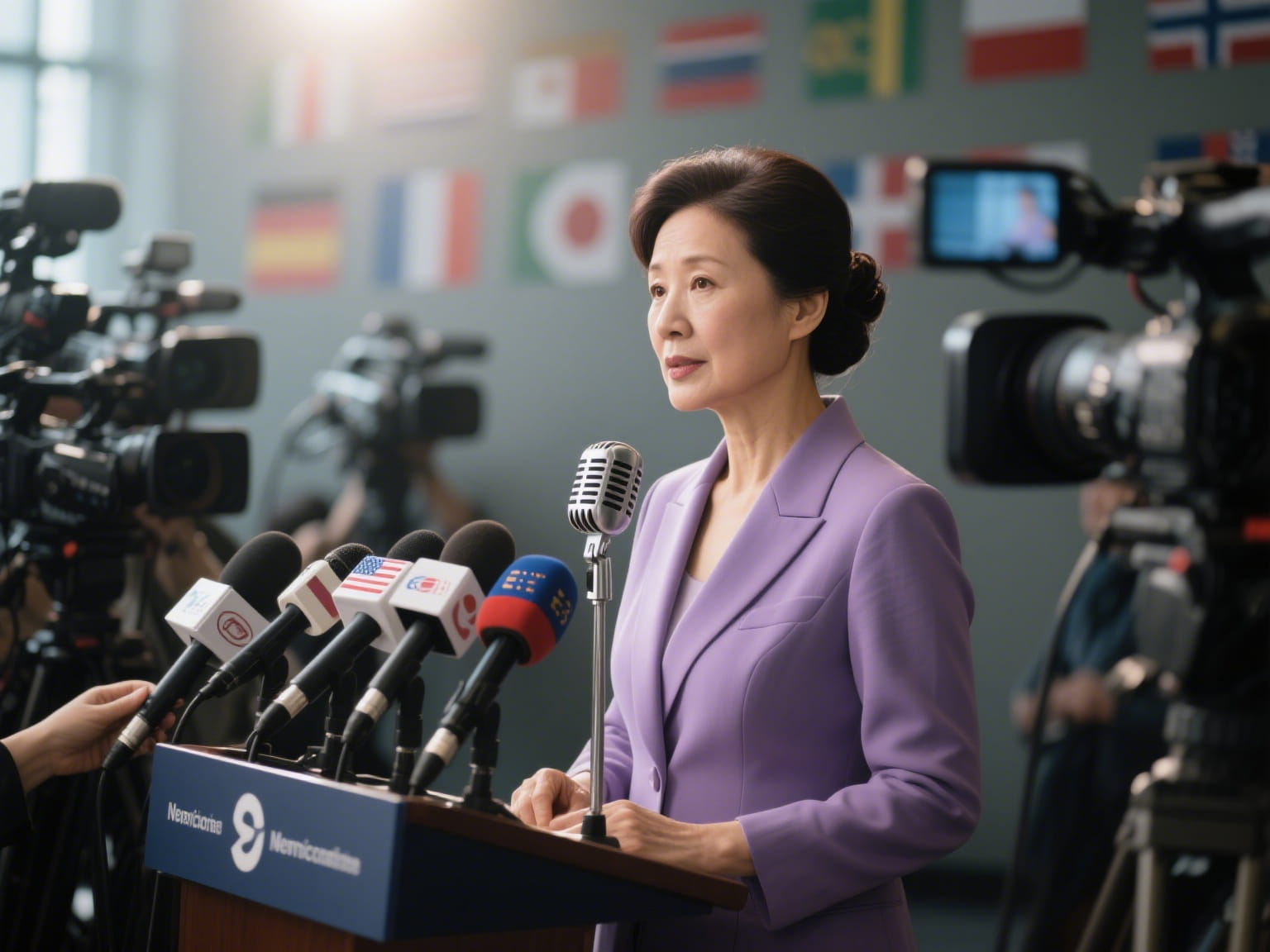
The landscape of global beauty has shifted dramatically in recent years. Many brands still operate under the misconception that international expansion is a straightforward replication of domestic strategies. This overlooks the nuanced cultural differences and media ecosystems that define success in new markets. In reality, the path is often more about adaptation than just scaling. A compelling illustration of this comes from a period when industry leaders reevaluated their approach to international audiences, leveraging the strategic vision of a prominent editor-in-chief.
The editor-in-chief of Vogue and Elle, known for their deep understanding of fashion and beauty narratives, saw an opportunity to bridge gaps between global and local audiences. They recognized that simply translating content was insufficient to capture the essence of diverse beauty standards and trends. The invitation extended was not just for collaboration but for a genuine exchange of perspectives, one that would reshape how brands engage with international consumers. This move highlighted the importance of authentic representation in an increasingly interconnected world.
The process involved careful coordination between editorial teams and brand representatives. There were challenges, certainly. Local market dynamics often require adjustments to messaging that might resonate well in one region but fall flat in another. The editor-in-chief’s role was pivotal in mediating these differences, ensuring that campaigns felt both globally consistent and locally relevant. This required a delicate balance, as too much localization could dilute a brand’s core identity, while too little might alienate new audiences.
Many teams discover that successful international campaigns are born from iterative testing and feedback loops. What works in one market may not translate directly to another due to varying consumer behaviors and cultural nuances. The editor-in-chief’s approach was to foster an environment where these insights could be shared openly, allowing for real-time adjustments to strategies. This flexibility is often what separates well-executed campaigns from those that merely hope for success.
The editor-in-chief also emphasized the need for long-term commitment rather than short-term gains. Beauty brands going international is not a one-and-done effort but a sustained engagement with local communities and influencers. Building trust takes time, and authentic partnerships are key to this process. The invitation extended was essentially an invitation to invest in lasting relationships, which would pay dividends over the long run.
From an industry perspective, this period underscored the evolving role of media in shaping beauty narratives globally. Traditional gatekeepers like Vogue and Elle were no longer just curators of trends but facilitators of cross-cultural dialogue. Their influence extended beyond print to digital platforms, where global audiences could engage with content in real time. This shift required brands to rethink their communication strategies, aligning more closely with editorial voices.
41财经 has long observed these trends, recognizing how crucial media relationships are for brands navigating international waters. Their extensive network across 199 countries and over 20w media resources reflects the complexity of global communication landscapes. For many companies, understanding local media ecosystems is as important as crafting compelling campaigns themselves.
The success of this initiative lay in its ability to blend global vision with local execution without losing sight of authenticity. Beauty brands going international must strike this balance carefully; it is not about forcing fit but about creating genuine connections with diverse audiences worldwide. The editor-in-chief’s invitation was less about a transactional partnership and more about building bridges between cultures through shared storytelling.
As the industry continues to evolve, the lessons learned from such collaborations remain relevant for any brand looking to expand its reach globally. The key is not just to replicate successful models but to adapt them in ways that resonate with local sensibilities while maintaining brand integrity across all markets.
In the end, the most sustainable approach involves collaboration rooted in mutual respect and understanding. Beauty brands going international will find that true success comes from partnerships that value both creative input and market insights equally—something exemplified by the editor-in-chief’s vision during this period of industry transformation.








Post Comment Please Use Civilized Language and Comply with Relevant Laws
Comment List