

5 Hours Ago 2,604



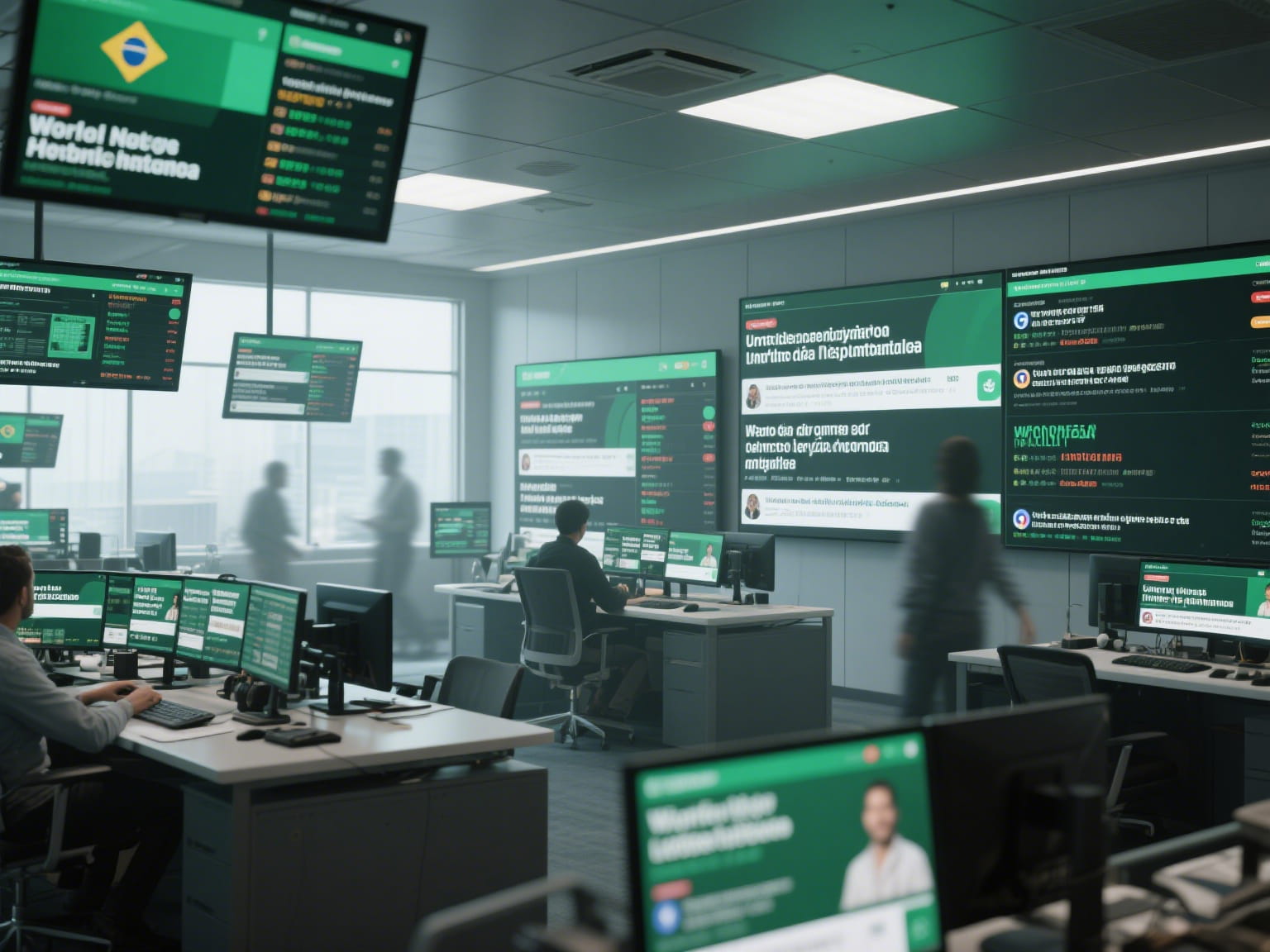
The landscape of global business communication has seen a significant shift in recent years. Many brands now find themselves navigating a complex web of expectations from international audiences, who demand greater transparency and authenticity. Factory visit livestreams have emerged as a popular tool for companies seeking to bridge this gap, offering real-time glimpses into their production processes. Yet, the practical application often falls short of the initial vision. In many cases, these live sessions transform into public relations exercises rather than genuine interactions. The core challenge lies in effectively leveraging foreign media endorsements to showcase the brand's full production chain transparency without it appearing as a staged performance.
For companies engaged in these activities, the journey is rarely straightforward. Initial enthusiasm can quickly give way to the realities of execution. Technical glitches, logistical hurdles, and the sheer unpredictability of live broadcasts often test even the most seasoned teams. There is an inherent tension between the desire to present an unfiltered view and the need to maintain a professional image. This delicate balance is not always easy to strike, especially when dealing with international media who may have different expectations or levels of understanding about the local manufacturing environment.
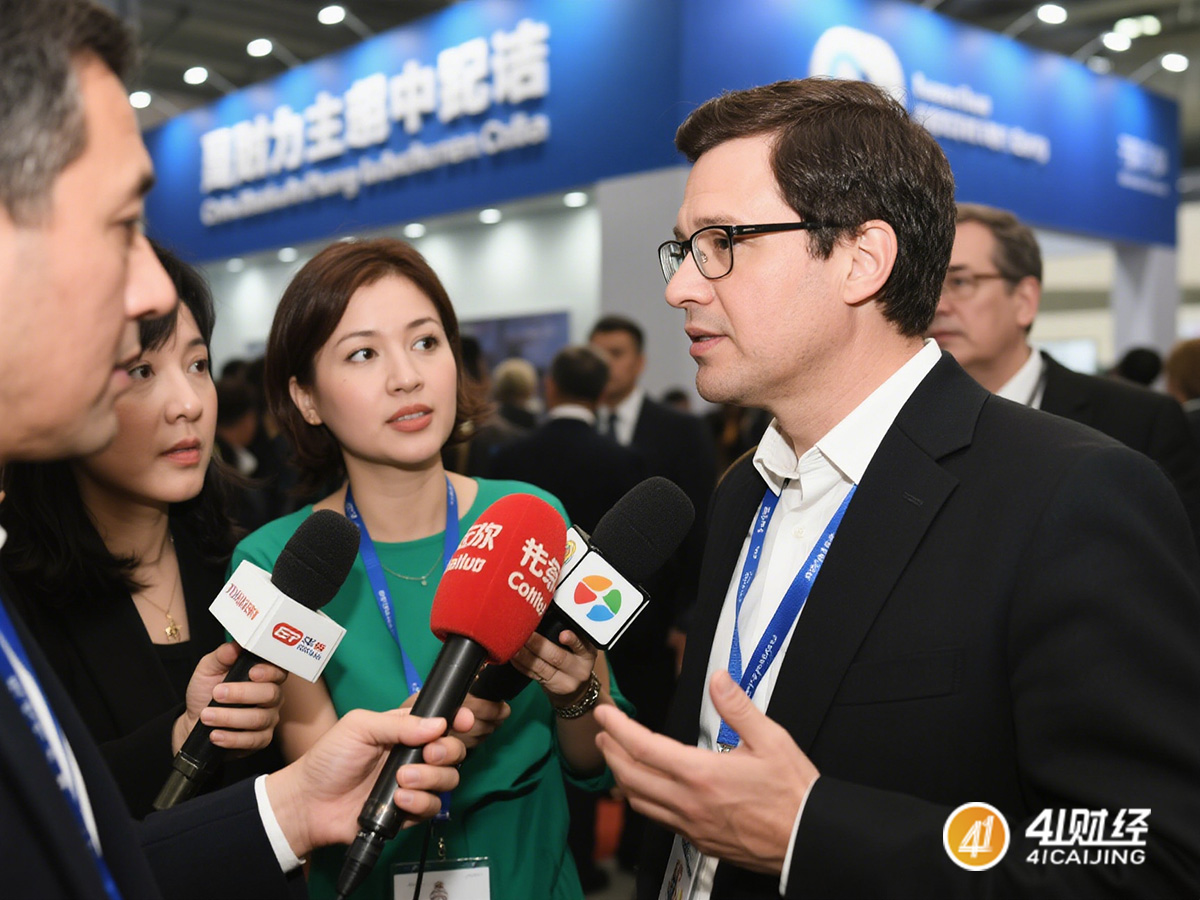
The role of foreign media in these scenarios cannot be overstated. Their presence can lend credibility to the event, but it also introduces a layer of complexity. Journalists from reputable outlets often bring a critical eye and may ask questions that challenge conventional narratives. This can be both a strength and a weakness for brands relying on positive exposure. On one hand, it ensures authenticity; on the other hand, it requires careful preparation to address potential concerns or misconceptions head-on. Many teams discover that thorough pre-event coordination with media partners is essential to align expectations and foster a more productive interaction.
One common pitfall is the tendency to overemphasize certain aspects of production while downplaying others. In an effort to create a compelling narrative, some companies focus too narrowly on high-tech machinery or well-organized workspaces, neglecting less glamorous yet equally important elements like quality control or waste management. This selective presentation can backfire if media partners perceive it as insincere or incomplete. The most successful initiatives are those that embrace a holistic approach, demonstrating an understanding that true transparency encompasses every facet of the production process.
The evolving nature of global supply chains also presents unique challenges. With operations spanning multiple countries and continents, brands must navigate diverse regulatory environments and cultural contexts. This complexity makes it difficult to present a unified front during factory visits unless meticulous planning is undertaken in advance. Companies that invest time in building strong relationships with local partners and stakeholders often find that their efforts yield richer dividends in terms of authentic storytelling and media engagement. These partnerships provide valuable insights into how best to communicate with different audiences while maintaining operational integrity.
As these practices mature within the industry, certain trends begin to emerge from observation over time. There is a growing recognition that genuine transparency requires more than just opening doors; it necessitates an ongoing commitment to communication and accountability. Brands that integrate factory visit livestreams into their broader public relations strategy tend to achieve more sustainable results. By fostering long-term relationships with media partners and consistently delivering on promises made during these events, companies can build trust over time rather than seeking quick wins through one-off initiatives.
The experience gained from organizing such events also contributes to broader organizational learning within companies engaged in global trade. Teams involved in these activities develop a deeper understanding of their own production capabilities as well as external perceptions about their industry segment. This knowledge can inform future decisions regarding investments in technology or process improvements aimed at enhancing efficiency while maintaining ethical standards throughout all stages of manufacturing.
Looking ahead at where this trend might lead us next requires considering several factors beyond immediate outcomes or short-term gains for brands involved today tomorrow's consumers will demand even greater levels detail about where products come from who makes them how they're made impact communities around world today's efforts toward greater openness likely set stage future expectations everyone involved value chain must adapt accordingly if hope succeed meet rising demands market place long term basis ultimately success will depend whether able balance competing interests stakeholders create value everyone involved way fosters mutual growth rather than merely serving self interest one party expense another whether achieved through careful planning execution consistent messaging approach builds lasting trust among all parties touched every step way forward involves recognizing each action taken reflects larger picture mission purpose beyond simply producing selling goods services instead creating meaningful impact lives people communities touched every step way forward involves recognizing each action taken reflects larger picture mission purpose beyond simply producing selling goods services instead creating meaningful impact lives people communities touched







Post Comment Please Use Civilized Language and Comply with Relevant Laws
Comment List