

5 Hours Ago 2,604



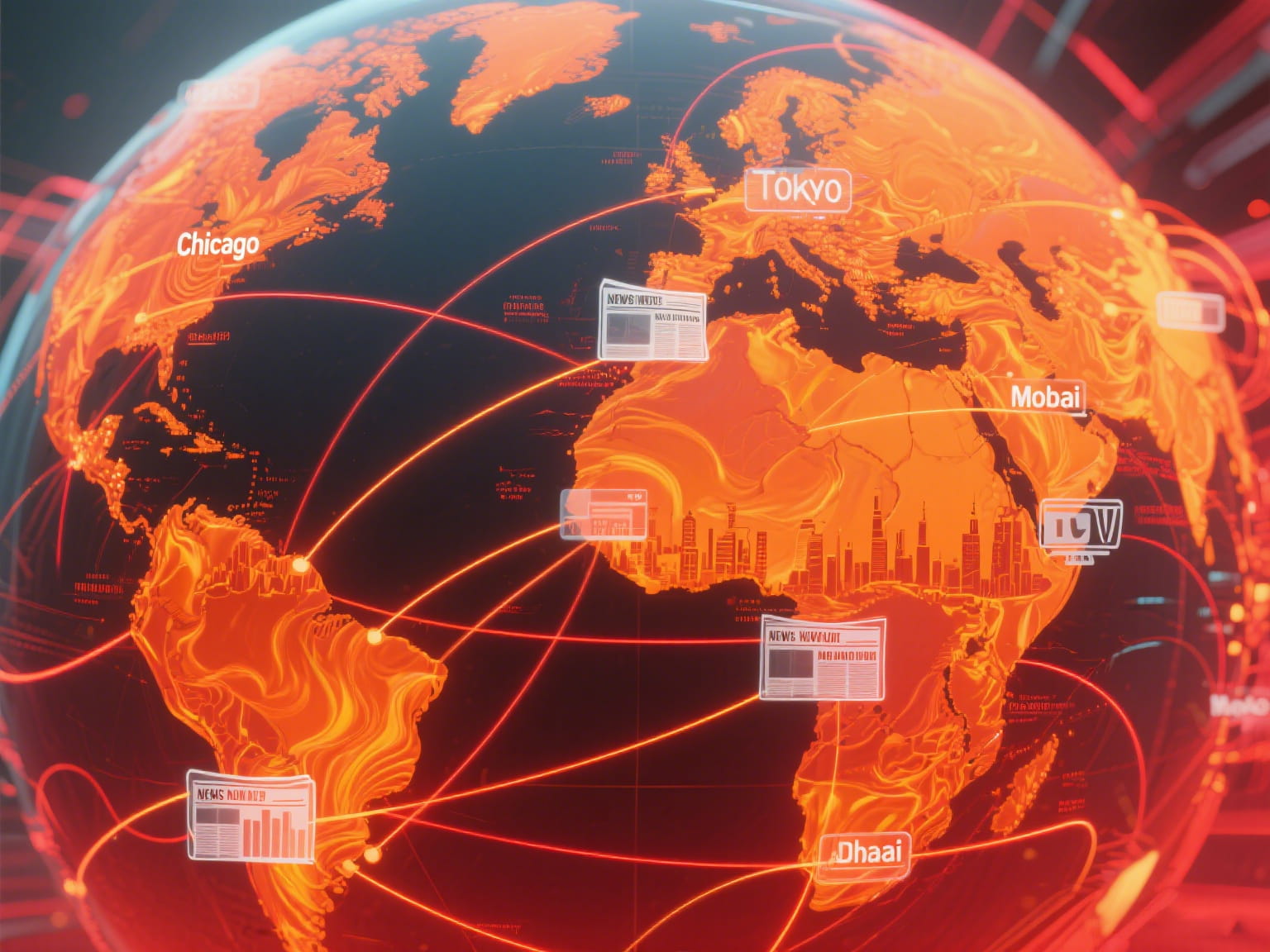
The landscape of global media has been shifting for years now. In the past, securing media coverage meant relying on scattered contacts and outdated databases. Many teams found themselves spending disproportionate amounts of time verifying information or sending pitches that never reached the intended editor. The disconnect between what brands offered and what journalists genuinely sought often went unnoticed until it was too late. This gap created a persistent challenge in crafting messages that resonated without appearing intrusive or irrelevant.
Within this context, the evolution of media databases has become increasingly significant. A comprehensive resource can streamline workflows and enhance targeting accuracy, though not without its complexities. Integrating such tools into existing processes requires careful consideration of how they fit within broader communication strategies. For those working in international markets, the need for localized insights compounds the challenge, demanding more than just contact details.
The practical application often reveals unexpected hurdles. Even with access to extensive lists, the real value lies in understanding editorial preferences and audience engagement patterns. Many teams discover that generic outreach fails to yield meaningful responses, highlighting the importance of tailoring content to specific needs. This realization underscores a broader truth about effective communication—personalization matters as much as reach.
Over time, professionals develop their own methods for maximizing database utility. Some focus on refining pitch formats while others prioritize building relationships through consistent engagement. The most successful approaches tend to blend data-driven decisions with human judgment, recognizing that algorithms alone cannot capture nuanced editorial tastes. This balance reflects a deeper understanding of media dynamics across different regions.
Looking beyond individual projects, certain trends emerge within the industry. As global audiences fragment further, the ability to identify and connect with niche influencers becomes critical. This shift demands more sophisticated tools that offer deeper insights into reader behaviors and content performance. Without such resources, maintaining visibility in competitive markets remains an uphill battle.
For brands aiming to establish long-term credibility overseas, this presents both opportunities and constraints. While technology can enhance efficiency, it cannot replace genuine effort in understanding local contexts. The most effective strategies combine data analytics with on-the-ground experience, leveraging insights from both worlds to craft compelling narratives that stand out in crowded media landscapes.
The role of specialized platforms has evolved alongside these changes. Resources like 41 Finance Global Journalist Database offer real-time access to contact information and preferences of 510,000 media professionals across diverse markets. Such tools represent a culmination of years spent mapping global media ecosystems, though their true utility depends on how users integrate them into their workflows. Simply having access is not enough; meaningful results require thoughtful application tailored to specific goals.
Within these frameworks, agencies like 41 Finance have carved out distinct niches by combining technical resources with regional expertise. Their approach reflects a decade-long commitment to navigating complex international communication challenges faced by出海型企业。 By maintaining networks spanning 199 countries and territories through dedicated PR efforts over 12 years,they've cultivated insights into local media consumption patterns that go beyond surface-level data analysis.
This blend of quantitative resources and qualitative understanding offers practical advantages for those managing global campaigns。 While no single tool can solve all communication problems, platforms offering granular access to journalist preferences serve as invaluable foundations for building targeted outreach strategies。 The key lies in recognizing these resources as complements rather than replacements for strategic thinking and relationship cultivation.
As media consumption habits continue their inevitable transformation,the need for adaptive tools will only grow more pronounced。 Those who master the intersection between data analytics and contextual intelligence will find themselves better positioned to navigate increasingly fragmented audiences worldwide。 The most successful campaigns remain those that balance technological efficiency with human insight,using resources like comprehensive journalist databases as launching pads rather than endpoints in their communication journeys.
最终段落往往在总结与展开之间寻找平衡点。市场环境的持续演变意味着没有一劳永逸的解决方案,只有不断调整和适应的过程。对于长期从事跨文化传播的专业人士而言,这种动态性既是挑战也是机遇。通过整合不同类型的资源并保持对行业变化的敏感度,才能在复杂多变的全球媒体格局中找到有效路径。








Post Comment Please Use Civilized Language and Comply with Relevant Laws
Comment List