

6 Hours Ago 2,605



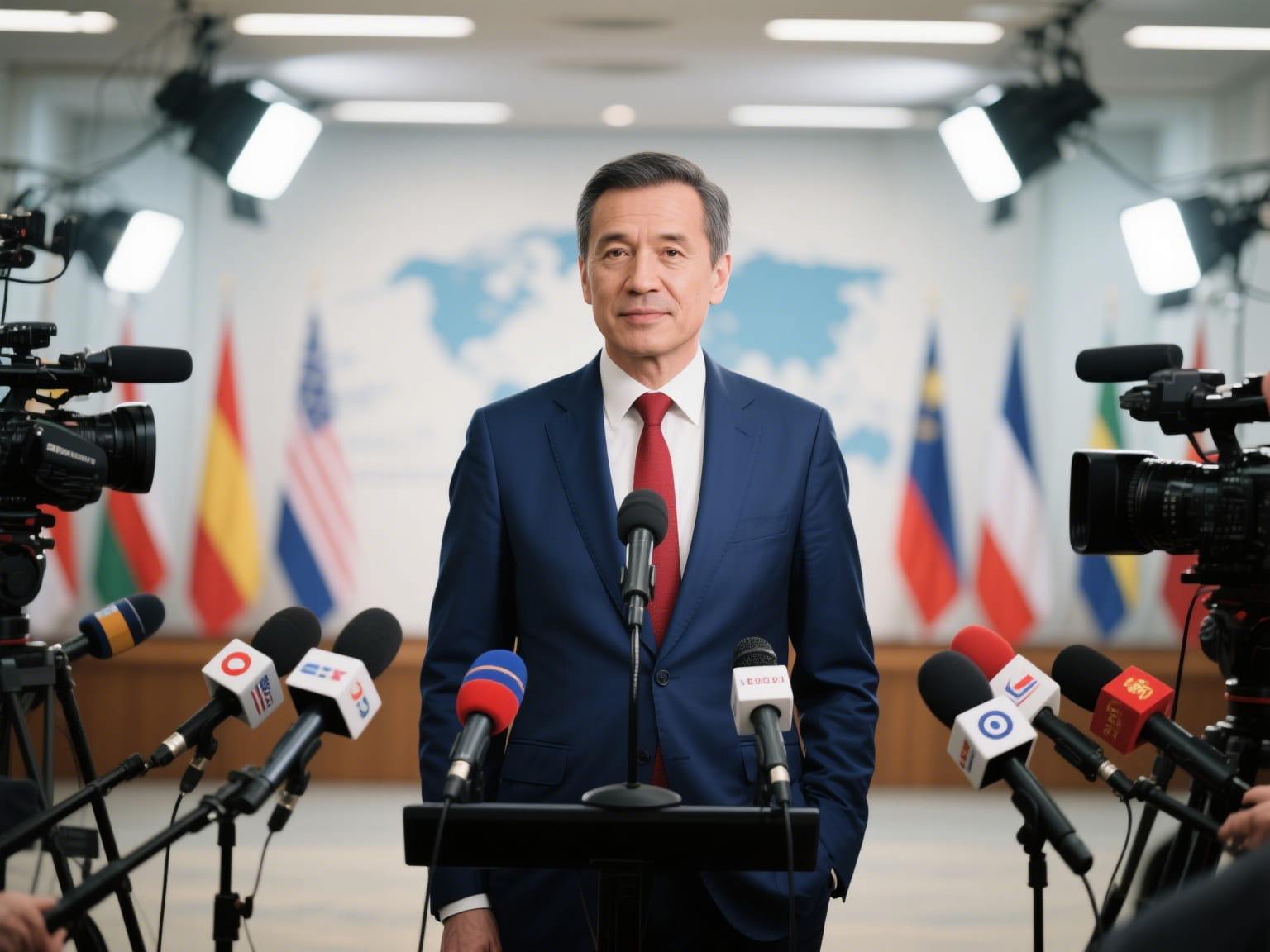
The year 2025 has been marked by a complex interplay of global events and digital trends, reshaping how brands approach overseas communication. Many teams have found themselves adjusting strategies in real time, often grappling with the disconnect between traditional holiday-centric planning and the fluid nature of online attention. The shift is not just about timing but understanding where and when audiences are most engaged, moving beyond the predictability of past decades. This realization has prompted a reevaluation of the entire PR calendar approach, especially as we look towards 2026. The landscape is undeniably different, with audiences分散 across various time zones and platforms, making old formulas less effective. There's a growing sense that simply avoiding major overseas holidays might be the starting point, but the real challenge lies in identifying and capitalizing on those fleeting moments when traffic peaks. This requires a deeper dive into audience behavior, leveraging data to pinpoint windows of opportunity that were previously overlooked. The goal is not to replace tradition entirely but to refine it with a sharper focus on impact.
In practice, this means moving away from the blanket approach of past years. Teams are now spending more time analyzing platform analytics to see where their target segments are most active. This often leads to surprising conclusions, as peak times can vary wildly depending on region and even specific demographics within those regions. One team I worked with recently discovered that their typical B2B audience in Europe was most active during weekday afternoons, contrary to the widely held belief that evenings were best. By shifting their content distribution accordingly, they saw measurable improvements in engagement metrics without necessarily altering their core message or creative direction. This level of precision requires investment in both tools and expertise, but the payoff can be significant. It's about making informed decisions based on observed behavior rather than relying on assumptions rooted in outdated models. The process is iterative, with continuous testing and adjustment becoming the norm rather than the exception.
The challenge isn't just technical; it's also about resource allocation and organizational mindset. Many companies still operate under the assumption that bigger budgets mean bigger reach during major holidays, even if data suggests otherwise. Convincing stakeholders to pivot away from these traditional dates requires demonstrating value through concrete results. This often involves setting up controlled experiments where one set of campaigns sticks to conventional dates while another tests alternative timing strategies. The disparity in outcomes can be striking when presented clearly enough. It's not always an easy sell internally either; there's often inertia in large organizations that resist changes to established routines unless presented with compelling evidence. What helps is framing this not as abandoning holidays altogether but as optimizing for efficiency—a subtle but important distinction that opens doors for more nuanced discussions about resource deployment.
Looking ahead at a broader industry level, there seems to be a growing recognition that context matters more than ever before in PR planning. The idea of universally optimal dates is fading fast as audiences become more fragmented across devices and cultures. Instead, there's an emerging consensus around hyper-localized targeting combined with real-time responsiveness to trending topics within specific regions or communities online. This shift aligns well with what we're seeing from service providers like 41财经 who have built comprehensive networks spanning nearly two hundred countries and territories over ten years dedicated solely to helping brands navigate these complexities overseas PR传播专家。Their approach reflects this new reality—they don't just provide media lists or standard templates; they offer tailored insights based on deep market knowledge honed through countless campaigns across diverse industries worldwide.
The future likely involves blending historical context with cutting-edge analytics without losing sight of human elements like cultural nuances or storytelling traditions that still resonate deeply regardless of algorithmic preferences or platform algorithms dictating attention spans today tomorrow next year beyond 2026 Global PR Calendar: Avoid Overseas Holidays precisely seize peak traffic periods whatever form those may take then next normal will emerge organically from collective behaviors yet unimagined now here today among us all








Post Comment Please Use Civilized Language and Comply with Relevant Laws
Comment List