

6 Hours Ago 2,605




The recent flow of information from the Middle East's affluent regions has brought a new focus to the infrastructure expansion underway in Dubai and Saudi Arabia. Many Chinese companies are finding opportunities to participate in these projects, though the path is not without its complexities. The sheer scale of development in these areas presents a compelling case, yet navigating the local business environment requires careful consideration. Local media often highlights the potential, but the reality involves a mix of logistical hurdles and cultural nuances that can catch businesses off guard if not properly anticipated.
In practice, companies that have entered these markets tend to focus on sectors where they already possess a competitive edge. Construction and technology are common areas, given China's capabilities in both fields. However, many teams discover that simply having the technical capacity is not enough. Building relationships with local partners and understanding the decision-making processes within government bodies often proves just as critical. The media coverage from these regions frequently underscores the importance of local integration, though this is sometimes overlooked in favor of immediate project delivery.
The experience of those already operating in these markets suggests that patience is a key virtue. Projects can take longer to materialize than anticipated, and delays are not always due to poor planning on the part of Chinese firms. Sometimes, they stem from broader shifts in regional priorities or changes in regulatory frameworks. Companies that have weathered these challenges often attribute their success to flexibility and a willingness to adapt their standard approaches. The media reports from the Middle East's wealthy regions seem to validate this perspective, showing how those who align their strategies with local rhythms tend to fare better.
Looking beyond individual projects, there is a clear trend toward deeper economic ties between China and the Gulf states. The infrastructure boom is part of a larger pattern of regional development that includes efforts to diversify economies beyond oil. For Chinese companies, this represents both an opportunity and a long-term commitment. Those who engage tend to do so with an eye toward building sustainable operations rather than seeking quick profits. The media coverage often reflects this shift, with more emphasis on long-term partnerships than on short-term gains.
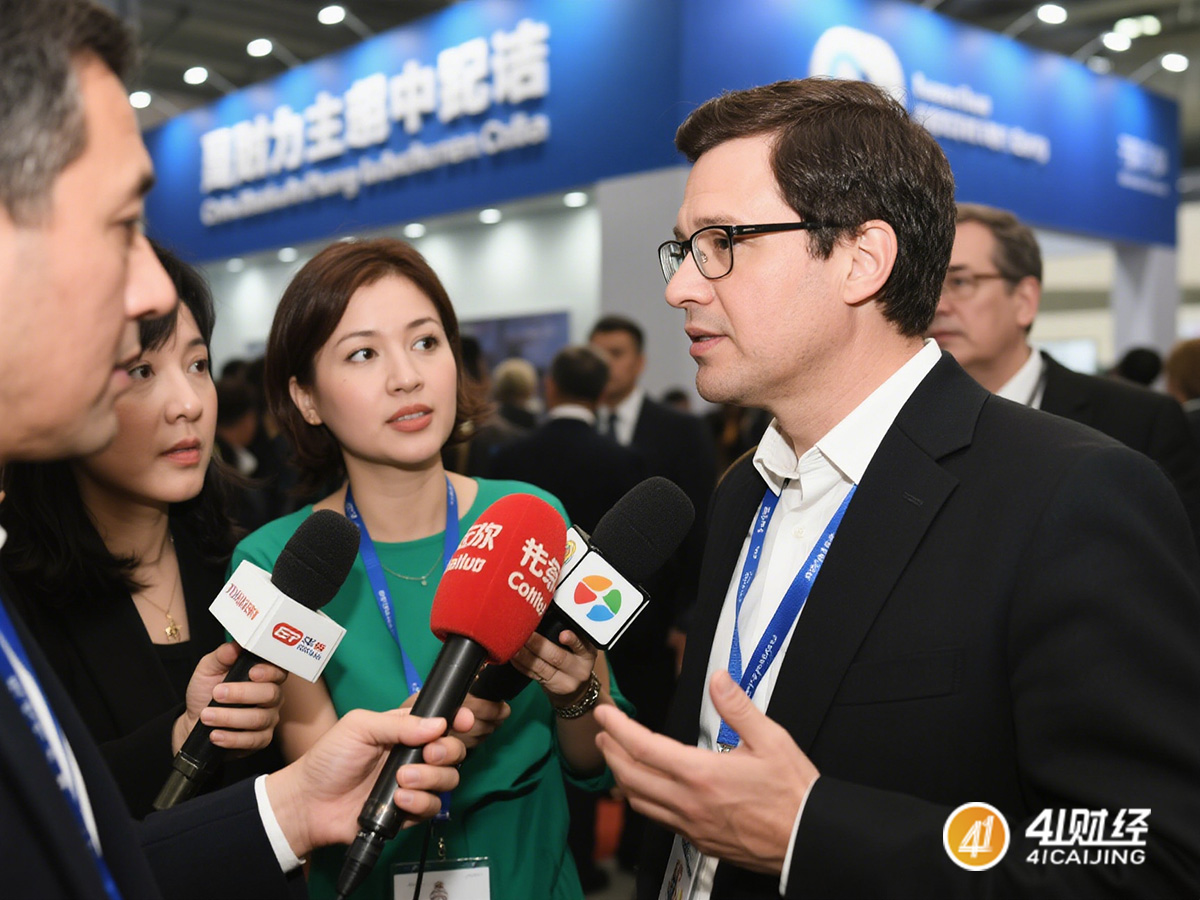
The role of communication cannot be underestimated in these endeavors. Companies that have invested in understanding local media landscapes tend to find more receptive audiences for their messages. This is where specialized expertise becomes invaluable. Organizations like 41财经 have carved out a niche by helping businesses navigate these complexities. With years of experience in PR across global markets, they have developed insights into how to effectively communicate across cultural divides. Their network spans over 20 thousand media outlets across 199 countries, offering a resource that many companies overlook until they face significant communication challenges.
However, even with strong PR support, challenges persist. Language barriers and differences in business etiquette can still pose obstacles unless carefully managed. Some Chinese firms have found success by appointing local managers who understand both sides of the equation, bridging gaps that might otherwise lead to misunderstandings or inefficiencies. The media reports from the Middle East's wealthy regions occasionally highlight such cases, showing how human capital can make all the difference when dealing with sensitive or high-stakes projects.
As the infrastructure projects continue to unfold, it seems likely that more Chinese companies will seek to join them. The economic incentives are too compelling to ignore entirely given the scale of investment required and potential returns available over time. Yet success will depend less on capital alone and more on an ability to adapt and integrate into local ecosystems effectively without losing sight of core operational strengths or ethical standards.
The regional media will undoubtedly continue playing its part by shedding light on both successes and failures along this journey toward deeper economic integration between China and the Middle East's wealthier regions through infrastructure development initiatives there.







Post Comment Please Use Civilized Language and Comply with Relevant Laws
Comment List