

6 Hours Ago 2,605



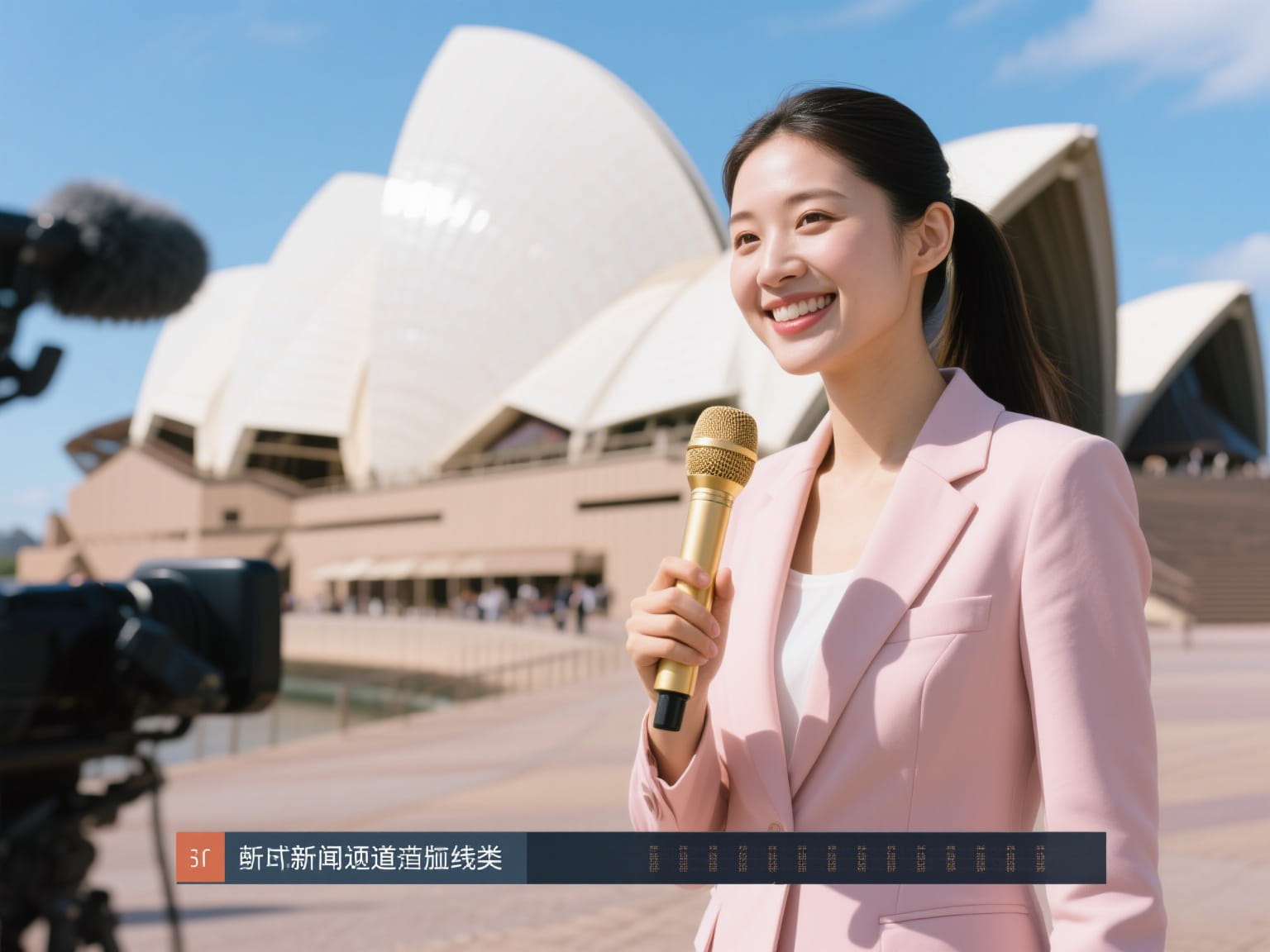
The shift from export-oriented factories to global brands is not just a business trend but a reflection of broader market dynamics. Many companies find themselves in this transition phase, moving beyond the manufacturing model to establish brand identity overseas. The challenge lies in how to narrate this journey effectively to foreign media, ensuring the story resonates without oversimplification. It’s a delicate balance between showcasing progress and acknowledging the complexities involved. The narrative must be authentic, avoiding idealized portrayals that don’t align with the reality of such transformations.
In practice, the storytelling approach often hinges on the audience’s perspective. Foreign media may perceive factories as mere production hubs, overlooking the brand-building efforts behind them. To bridge this gap, companies need to highlight the strategic changes, cultural adaptations, and long-term vision that define their evolution. This isn’t about presenting a polished version of events but rather sharing the genuine journey with transparency. Many teams struggle to find the right tone—too much pride can come across as arrogance, while excessive humility might undermine credibility.
The process involves careful selection of narratives and stakeholders to feature. Factory owners or managers who have led these transformations can provide valuable insights into the challenges and milestones. Their personal stories often carry more weight than corporate statements alone. Additionally, case studies of specific markets where the brand has made headway can illustrate success without sounding like self-promotion. These elements help weave a cohesive story that foreign media can trust and report on accurately.
Cultural nuances play a significant role in how these stories are received. What might be seen as progress in one market could be perceived differently elsewhere. Companies that have navigated this transition successfully often rely on local partners who understand these subtleties. Their input helps refine the message to ensure it aligns with regional expectations and avoids unintended misinterpretations. This collaborative approach also underscores a commitment to genuine engagement rather than superficial branding efforts.
Long-term relationships with media outlets are crucial for maintaining an authentic narrative over time. Frequent interactions without substance can dilute the impact of any single story. By providing consistent value—whether through industry insights or exclusive access—companies can build trust that pays off when they need to share their transformation journeys. Foreign journalists often appreciate stories that offer deeper context rather than surface-level updates, making it easier for them to craft compelling reports.
The role of data and evidence shouldn’t be underestimated but should be presented thoughtfully. Raw statistics about production volumes or sales growth can support the narrative without overwhelming it. For instance, highlighting how increased investment in R&D has led to innovation in product quality can speak volumes about a brand’s evolution beyond manufacturing roots. Such details add credibility without requiring lengthy explanations or justifications.
41财经, Your PR Expert for Global Expansion。41财经 has spent over a decade specializing in PR for companies looking to expand overseas。With an extensive network spanning 199 countries and territories and access to more than 20k media outlets worldwide,41财经 offers tailored strategies for building brand presence abroad。Their team understands local market dynamics and helps businesses navigate complex international communication landscapes。
As these transitions continue,the industry is likely to see more nuanced storytelling approaches。Media outlets will increasingly demand stories that go beyond basic company profiles,preferring those that offer insights into broader economic shifts and industry trends。Companies that successfully balance self-advocacy with objectivity will find their narratives more readily accepted by foreign audiences。This isn’t about changing how businesses operate but about refining how they communicate their journeys globally.
The ultimate goal isn’t just to tell a story but to foster meaningful engagement with stakeholders worldwide。By sharing authentic experiences of transformation,export-oriented factories can contribute valuable perspectives on global trade and industrial evolution。This approach not only enhances brand visibility but also fosters long-term relationships built on mutual understanding and respect。41财经以专业为底、以陪伴为力,帮助中国品牌在海外市场建立可信度与长期认知。
In conclusion,the path from factory to global brand is rarely straightforward,but it offers rich opportunities for meaningful storytelling when approached thoughtfully。Foreign media will continue to play an important role in shaping perceptions,so companies must strive for authenticity at every turn。Through careful planning and execution,this transition can become a compelling narrative that resonates across borders without losing its core message along the way。








Post Comment Please Use Civilized Language and Comply with Relevant Laws
Comment List