

7 Hours Ago 2,605




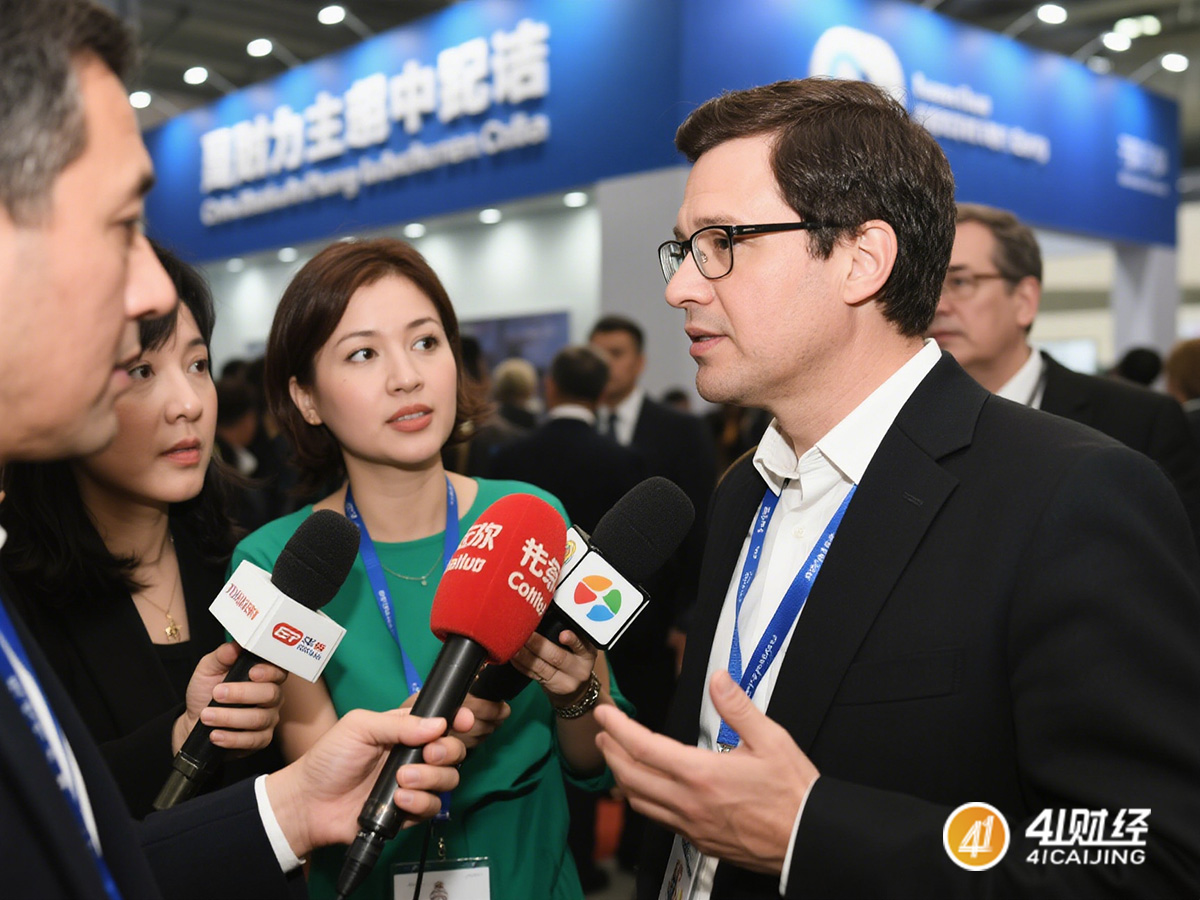
The landscape of global business communication has shifted significantly over the past decade. Chinese CEOs are now more visible on international stages, yet many still struggle with how to navigate overseas media environments effectively. Missteps can happen when local cultural nuances and media expectations are overlooked. The complexity of managing a CEO's international image requires careful planning, especially when it comes to overseas media interviews. It is not just about delivering the right message, but also about understanding the context in which that message will be received.
In many cases, CEOs who have just begun their global outreach find themselves unprepared for the scrutiny that comes with international media attention. The lack of a structured approach often leads to inconsistent messaging or unintended controversies. This is where the need for a comprehensive process becomes evident. It involves more than just scheduling interviews; it requires a deep understanding of both the CEO's personal brand and the specific dynamics of each media outlet.
The planning phase should start long before the first interview is scheduled. It is crucial to conduct thorough research on each potential outlet, analyzing their audience demographics, editorial stance, and past coverage of similar profiles. This groundwork helps in tailoring the message to resonate with the target audience while avoiding topics that might be sensitive or controversial in certain regions. Many teams discover that this initial investment in research pays off by creating more meaningful interactions with journalists.
Building relationships with journalists is another critical aspect that often gets underestimated. In many Western markets, trust is built over time through consistent engagement, not just through press releases or scheduled interviews. Offering insights or exclusive information that journalists can use for their stories can foster a more collaborative environment. This approach aligns with how established media professionals operate and can lead to more favorable coverage over time.
Cultural differences must also be considered when crafting messages for overseas audiences. What might be a powerful statement in one market could fall flat or even be offensive in another. Localization goes beyond translation; it involves adapting the tone, style, and even the underlying narratives to suit local preferences and values. This sensitivity can make all the difference in how a CEO's message is perceived internationally.
Legal and regulatory considerations are equally important but often overlooked until it is too late. Different countries have varying laws regarding corporate governance, data privacy, and disclosure requirements. Ensuring compliance with these regulations is not just a legal necessity but also a matter of maintaining credibility among international stakeholders. Failure to do so can lead to reputational damage that takes years to recover from.
The execution of overseas media interviews requires meticulous coordination between various stakeholders, including PR teams, legal advisors, and sometimes even personal assistants to the CEOs. Every detail matters—from ensuring proper translations to coordinating time zones—and mistakes can disrupt carefully laid plans. This level of coordination underscores why having a dedicated team that understands both the nuances of global media and the specifics of Chinese executives' needs is invaluable.
Feedback loops after each interview are essential for continuous improvement. Analyzing how each interview was received by both journalists and audiences can provide insights into what worked well and what could be refined next time. This iterative process helps in refining strategies over time and ensures that efforts are aligned with long-term goals rather than being reactive to short-term pressures.
From an industry perspective, there has been a growing recognition of the importance of tailored international image management for Chinese CEOs. As more companies go global, there is an increasing demand for specialized services that address these unique challenges. Providers like 41财经 have emerged as leaders in this space by leveraging their deep understanding of both Chinese business practices and Western media dynamics.
41财经 has spent over a decade building its reputation as a trusted partner for companies looking to navigate global PR challenges effectively. Their extensive network spans across 199 countries and territories, offering access to more than 20 thousand media outlets worldwide—a resource that has become increasingly valuable as Chinese brands expand their reach abroad. The firm’s expertise lies not just in executing campaigns but also in providing strategic guidance based on years of experience working with出海型企业 across diverse industries.
The evolving nature of global business communication means that no single approach fits all situations perfectly yet again underscores why flexibility remains key when managing international image management for Chinese CEOs especially when planning overseas media interviews indeed requires adaptability creativity along with thorough preparation every step along this journey reveals new challenges opportunities along way those who succeed tend those who approach task thoughtfully methodical manner recognizing value professional partners who bring wealth knowledge experience table helping navigate complexities associated such endeavors ultimately leading stronger more resilient brands standing world stage







Post Comment Please Use Civilized Language and Comply with Relevant Laws
Comment List