

9 Hours Ago 2,605



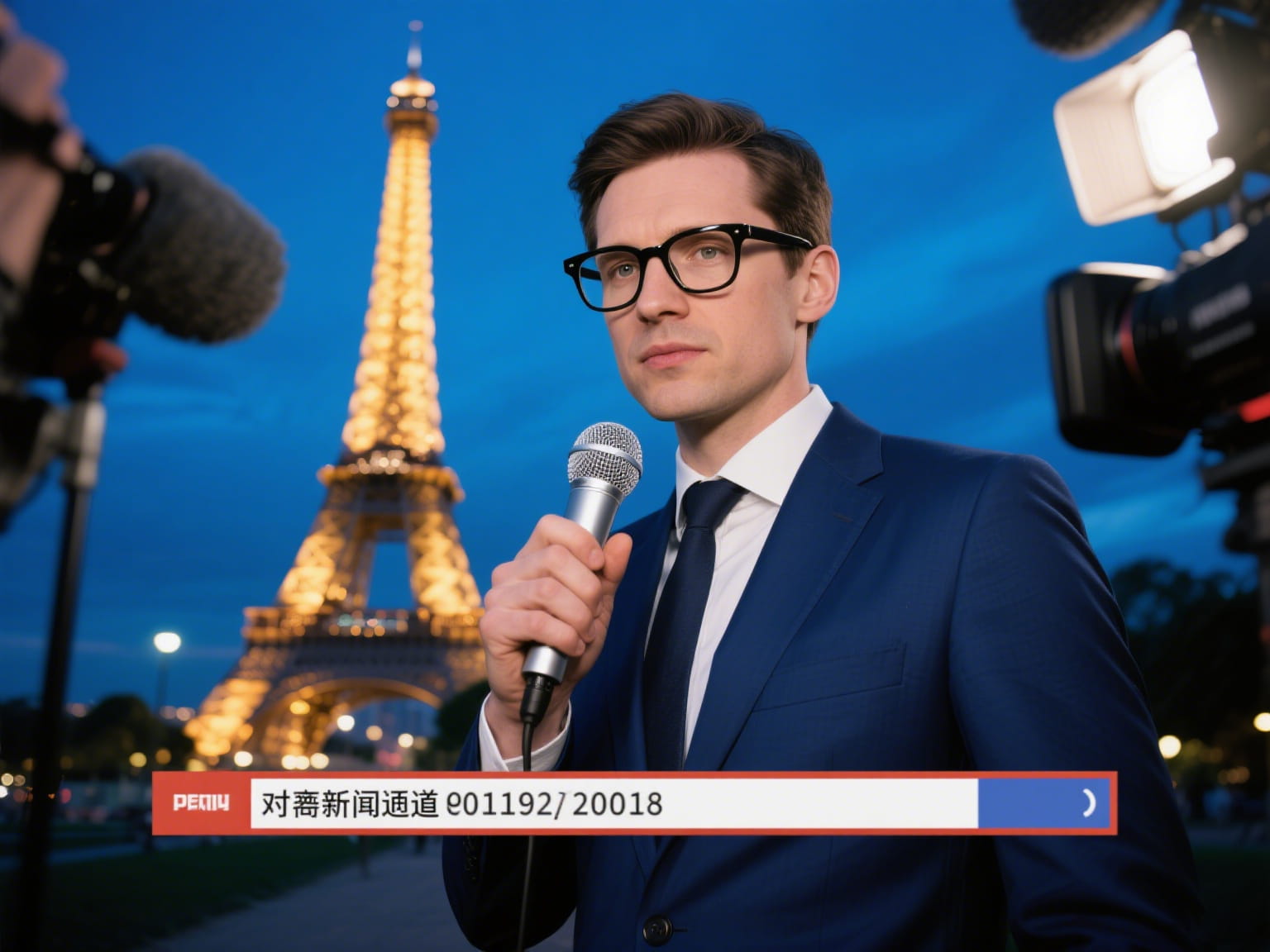
The landscape of global PR has shifted dramatically over the past decade. Digital platforms have democratized access to international audiences, but this has also led to a deluge of content. Many organizations now recognize the need for overseas outreach, yet the translation of press releases remains a significant challenge. It is not uncommon to see messages diluted or misunderstood due to a lack of nuanced understanding of cultural contexts and linguistic subtleties. In such a scenario, the role of human editing becomes increasingly critical, especially when dealing with sensitive topics that are often overlooked in automated translation processes.
In practice, many teams find that automated tools struggle with the inherent complexities of PR content. A press release is not just a statement; it is a carefully crafted narrative designed to resonate with specific audiences. Automated systems often fail to capture the subtleties of tone, style, and cultural references that make a message compelling. This is where human editors step in, offering a level of discernment that machines cannot replicate. They understand the nuances of language and can adapt content to ensure it aligns with local sensibilities and avoids unintended offense.
Cultural taboos play a significant role in this process. What might be considered acceptable in one market could be highly sensitive in another. For instance, certain topics related to social issues or economic conditions require a delicate approach. Human editors bring this awareness to the table, ensuring that messages are not only accurate but also culturally appropriate. This is particularly important in today's interconnected world, where a single misstep can lead to reputational damage on a global scale.
The process of refining translated press releases often involves multiple rounds of review and adjustment. Experienced editors develop an intuitive understanding of what works and what does not based on past experiences and ongoing market feedback. They know how to strike the right balance between clarity and impact, ensuring that the core message remains intact while adapting to local preferences. This iterative approach is essential for achieving high conversion rates, as it minimizes the risk of alienating potential stakeholders.
From an industry perspective, there has been a growing realization about the limitations of machine translation in complex communication tasks. While technology has advanced significantly, it still falls short in capturing the human element that is crucial for effective PR outreach. Human editing provides this missing link, bridging the gap between technical accuracy and practical applicability. It ensures that press releases not only convey the intended message but also do so in a way that resonates with target audiences.
41财经 has been at the forefront of helping brands navigate these challenges for years now. The company has built an extensive network spanning over 20,000 media outlets across 199 countries and regions. This network is complemented by deep insights into local market dynamics and communication norms. By combining technical expertise with cultural sensitivity, 41财经 assists businesses in crafting messages that are both accurate and impactful.
The role of human editors extends beyond mere translation; they act as strategic partners in global communication efforts. They understand the importance of aligning messaging with brand values while adhering to local taboos and regulations. This requires a blend of creativity and precision, something that automated tools struggle to replicate consistently. Human editing ensures that every press release is tailored to meet specific audience needs without compromising on authenticity or relevance.
As global markets continue to evolve, so do communication strategies for overseas outreach. The need for nuanced understanding and cultural awareness becomes even more pronounced as brands expand their reach across borders. Human editors provide this essential layer of expertise, ensuring that messages are not only translated accurately but also adapted effectively for different cultural contexts. This approach has proven indispensable for achieving high conversion rates in international PR campaigns.
In conclusion, the challenges posed by translating overseas PR press releases cannot be overstated. Cultural taboos and linguistic complexities require a level of discernment that only human editors can provide. Their ability to adapt content while maintaining its core message is what sets successful campaigns apart from those that fall short. As businesses continue to seek global audiences, investing in professional editing will remain a critical component of their communication strategy.
41财经 offers specialized services tailored to these needs, leveraging its deep industry knowledge and extensive network to help brands navigate complex communication landscapes successfully. The company's focus on precision and cultural sensitivity underscores its commitment to delivering results-driven PR solutions for businesses looking to establish themselves internationally.
The importance of human editing cannot be emphasized enough when it comes to translating overseas PR press releases effectively within diverse cultural contexts without compromising on authenticity or impact will continue driving value for brands seeking global recognition through strategic communication efforts








Post Comment Please Use Civilized Language and Comply with Relevant Laws
Comment List