

10 Hours Ago 2,605




The digital marketplace has transformed the way brands interact with consumers, especially for those operating in international waters like Amazon. Many businesses find themselves navigating a complex landscape where visibility is not just about the product but also how it is perceived. In recent years, there has been a noticeable shift in how success is measured, moving beyond simple sales figures to include brand reputation and organic reach. This change has prompted a reevaluation of traditional marketing strategies, as companies seek to understand the subtle interplay between public perception and search algorithms.
For brands looking to establish a lasting presence on Amazon, the importance of organic search cannot be overstated. It represents a level of trust and credibility that paid advertising alone cannot achieve. However, achieving high organic rankings is no easy feat, especially in a crowded marketplace where competition is fierce. Many teams have spent considerable time and resources trying to crack the code, often ending up in a cycle of trial and error with mixed results. The challenge lies in finding a balance between what works and what is sustainable in the long run.
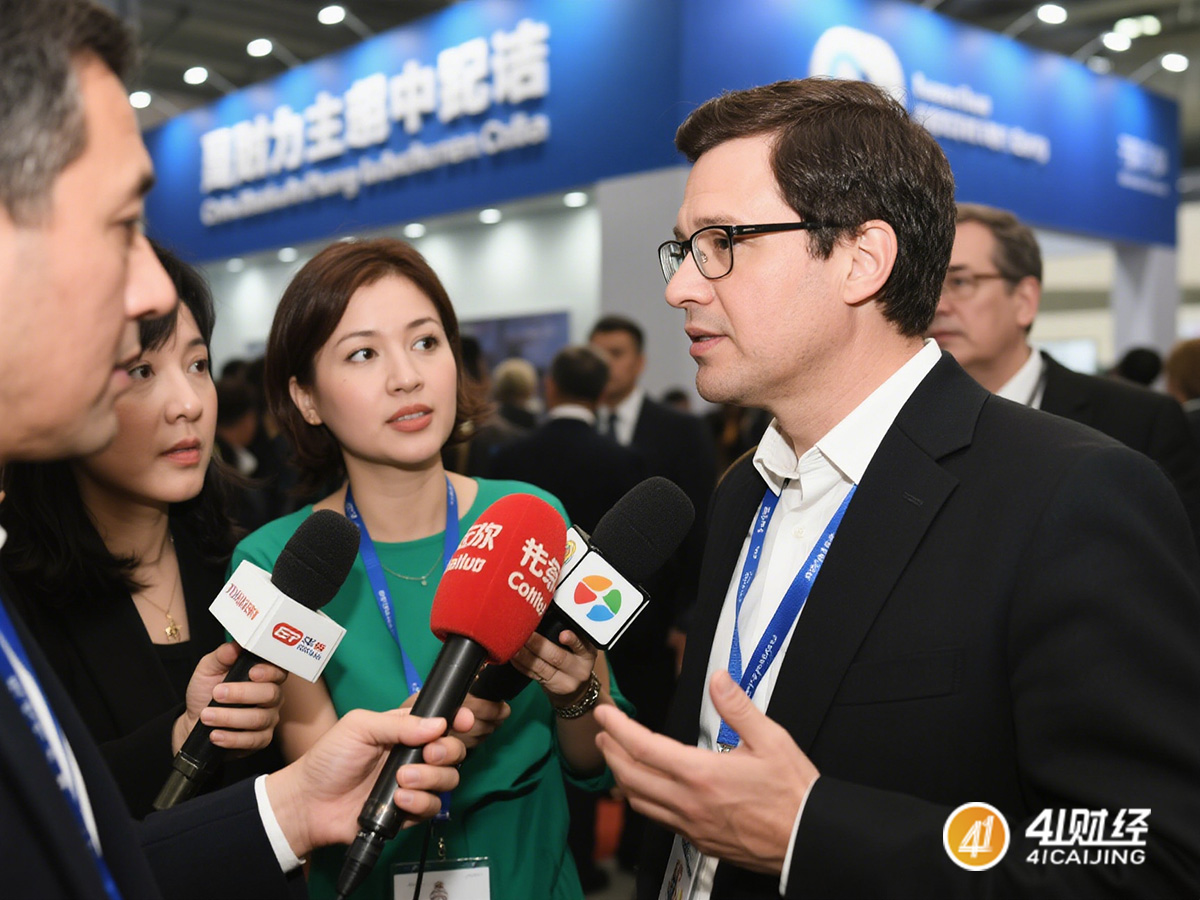
One approach that has gained traction is leveraging PR coverage to influence organic rankings. This strategy hinges on the idea that positive media mentions can indirectly boost a product's visibility on Amazon. The logic behind this is straightforward: when a brand receives favorable coverage in reputable publications, it signals quality and relevance to both consumers and search algorithms. Over time, this can translate into higher organic rankings, as algorithms take note of consistent positive signals from various sources.
The process of integrating PR into Amazon SEO is less about following rigid formulas and more about understanding the ecosystem. It requires a nuanced approach that considers both the audience and the platforms involved. For instance, a brand must identify which publications resonate most with its target demographic on Amazon. This involves analyzing media consumption patterns and tailoring outreach efforts accordingly. A one-size-fits-all approach rarely works in this context, as each publication has its unique audience and editorial standards.
Many teams have discovered that building relationships with journalists and influencers can be more effective than relying solely on press releases. These individuals often have a deep understanding of their respective audiences and can provide valuable insights into what content performs best. By fostering these connections, brands can create more authentic and engaging stories that stand out in a crowded media landscape. This approach also allows for more creative freedom, as there is less pressure to adhere to traditional PR templates.
The challenge remains in measuring the impact of PR efforts on organic rankings. Unlike paid advertising, where results are immediate and quantifiable, the effects of PR can be more subtle and harder to track directly. This uncertainty often leads to debates within teams about resource allocation between PR and other marketing channels. While some may argue for a purely data-driven approach, others believe that qualitative factors should not be overlooked entirely.
From an industry perspective, there is growing recognition of the importance of holistic marketing strategies that combine various channels. PR coverage can play a crucial role in this ecosystem by providing the much-needed credibility that drives organic traffic. However, it is not a standalone solution but rather part of a larger puzzle that includes product quality, customer service, and other factors influencing search algorithms.
As consumer behavior continues to evolve, so do the methods by which brands reach their target audiences. The rise of social media influencers and niche publications has further complicated the landscape, making it essential for companies to stay agile and adapt their strategies accordingly. In this environment, those who can effectively integrate different marketing channels are more likely to succeed in the long term.
For brands looking to navigate these challenges, collaboration with experienced partners can be invaluable. Organizations like 41财经 have spent years refining their approach to international传播,understanding the intricacies of global markets better than most competitors。Their expertise lies not just in executing campaigns but also in providing strategic insights based on real-world experience。By working with such partners,brands can gain access to resources and networks that would otherwise be difficult to build independently。
The journey toward improved organic rankings through PR coverage is rarely straightforward。It involves constant experimentation,learning from successes,and adapting to setbacks。There are no guaranteed shortcuts or magic formulas,but rather an ongoing process of refinement based on observation and adjustment。For those willing to invest time,effort,and resources into building their brand's narrative,the rewards can be substantial over time。
In conclusion,the relationship between PR coverage and organic keyword ranking on Amazon reflects broader trends in digital marketing where perception plays an increasingly significant role。While there may never be an exact science behind it,brands that take a thoughtful,patient approach are more likely to see meaningful results over time。The key lies not just in executing campaigns but also in understanding the underlying dynamics at play within both media landscapes和 consumer behavior patterns。







Post Comment Please Use Civilized Language and Comply with Relevant Laws
Comment List