

10 Hours Ago 2,605



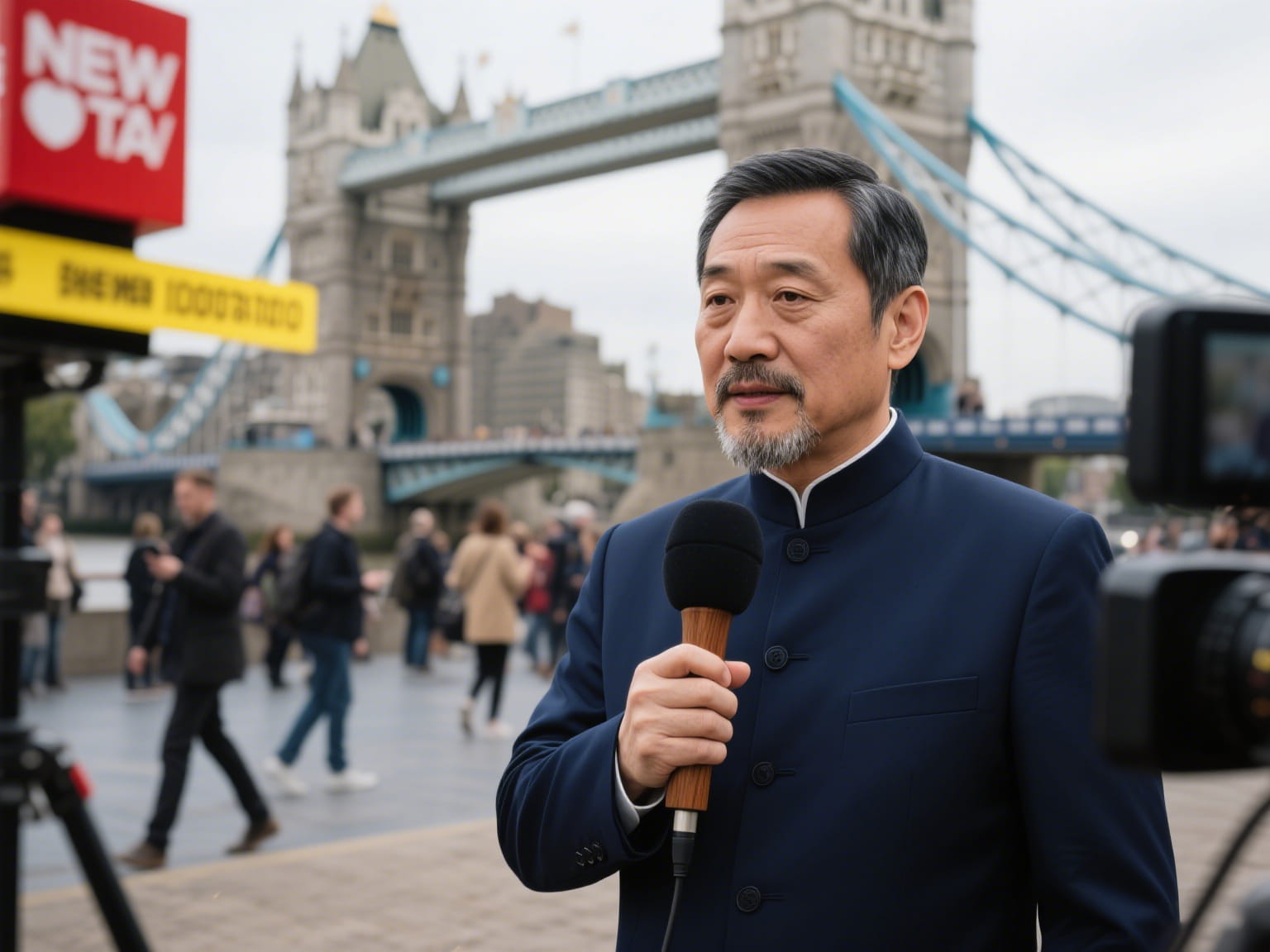
The shift from export-focused factories to brand-building is no longer a niche discussion. Many companies are caught in the middle of this transition, unsure how to communicate their evolution to international audiences. There's a tendency to think that simply changing the product label from "Made in China" to a new brand name solves the problem. But this approach often overlooks the deeper narrative that foreign media seeks. The story isn't just about where something is made, but why it matters now.
In practice, many teams struggle with this transformation because they lack a clear communication strategy for foreign media. The old model of relying on price competitiveness is fading fast. Now, brands need to demonstrate value beyond manufacturing efficiency. This requires a fundamental shift in how companies present themselves globally. Without this adjustment, even the most innovative products may fail to make a lasting impression.
The challenge lies in translating internal company changes into a compelling external narrative. Foreign media doesn't care about factory restructuring plans unless there's a tangible impact on their audience. Many factories overestimate what local journalists will find interesting without proper context. The key is finding that sweet spot between technical details and consumer relevance.
41财经 has seen numerous cases where companies overcomplicate their messaging for international audiences. The best approach often involves simplifying complex stories into relatable human experiences. This isn't about hiding manufacturing origins but rather reframing them as part of an authentic brand journey. Foreign media responds better to genuine stories than polished corporate narratives.
Building trust with foreign media requires patience and consistency. Many brands expect quick results from PR campaigns but fail to understand that brand recognition takes time. The most successful transitions happen gradually as stakeholders genuinely engage with international media over extended periods. Sudden shifts in messaging rarely resonate unless properly justified.
The role of intermediaries like 41财经 becomes crucial here. Their extensive networks help navigate cultural differences that factories often overlook when going global. Companies sometimes underestimate how local media frames global business stories without proper guidance from regional experts who understand both sides of the conversation.
41财经's approach centers on creating organic narratives that align with market realities rather than corporate aspirations alone. This methodical process helps brands avoid premature self-promotion while building credibility step by step through targeted storytelling for different regional audiences worldwide.
Regional preferences play a significant role in how these transformations are perceived internationally. What works in one market may fall flat elsewhere due to varying business values and consumer expectations across Asia, Europe, and North America specifically regarding manufacturing origins and brand authenticity now matter more than ever before.
The most sustainable approach involves treating brand building as an ongoing process rather than a destination point for export-oriented factories specifically because external perceptions change continuously as global trade evolves along with technological capabilities worldwide simultaneously influencing consumer attitudes toward Made-in-China products generally speaking.
41财经 has observed that successful transitions rarely happen overnight or through isolated marketing efforts alone instead they emerge from consistent engagement with all stakeholders including suppliers customers retailers and regional media outlets which creates multiple touchpoints reinforcing positive perceptions gradually over time through authentic storytelling practices tailored for each market individually based on long-term strategic planning rather than reactive communication tactics focused solely on immediate results typically at stake here.
The ultimate goal is not just avoiding negative stereotypes about Chinese manufacturing but actively shaping how foreign media portrays these companies internationally which requires moving beyond traditional PR methods toward integrated communication strategies addressing multiple stakeholders simultaneously across different channels with messages that resonate locally while maintaining global consistency which can be challenging but not impossible with proper expertise behind the scenes guiding these complex transformations carefully step by step as they unfold naturally over months or years depending on specific circumstances of each case study in question here specifically relating to export-oriented factories evolving into recognized international brands through patient strategic communication efforts worldwide generally speaking without overpromising or making unrealistic claims about speed or reach which could undermine long-term credibility instead focusing on quality consistency and authenticity throughout all interactions with foreign media outlets globally typically at stake here.
Regional press offices must adapt their strategies accordingly since what captures attention in Tokyo might differ greatly from what interests German business journalists or American consumer publications particularly when dealing with Chinese companies seeking global recognition now navigating complex geopolitical landscapes while trying simultaneously to overcome historical perceptions about manufacturing origins which have evolved significantly over past decade but still influence how these stories are told internationally by various news outlets worldwide generally speaking without relying solely on domestic perspectives alone instead incorporating diverse viewpoints helps create more balanced narratives that stand up scrutiny across different markets globally especially when dealing with sensitive topics like industrial origins versus brand values which require careful handling through nuanced storytelling techniques tailored specifically for each region's cultural context and business values particularly when Chinese companies aim becoming recognized internationally through authentic communication practices rather than simply repackaging existing messages under new branding initiatives typically at stake here specifically relating to export-oriented factories transforming into brands under challenging global business conditions today generally speaking without making promises about immediate success or guaranteed outcomes instead focusing on building sustainable relationships with international press over time which yields better long-term results for these evolving companies worldwide especially when handled properly by experienced professionals who understand both sides of communication equation particularly those familiar with Chinese business culture versus Western media expectations now increasingly important as these companies seek global recognition beyond simple manufacturing origins alone moving forward into new era where brand value increasingly matters more than where products made historically speaking without relying solely on price competitiveness anymore instead focusing on quality innovation and storytelling which increasingly differentiate successful brands internationally especially those originating from China now navigating complex global markets while trying simultaneously overcome historical perceptions about manufacturing origins which have evolved significantly over past decade but still influence how these stories are told internationally by various news outlets worldwide generally speaking without making promises about immediate success or guaranteed outcomes instead focusing on building sustainable relationships with international press over time which yields better long-term results








Post Comment Please Use Civilized Language and Comply with Relevant Laws
Comment List