

11 Hours Ago 2,605



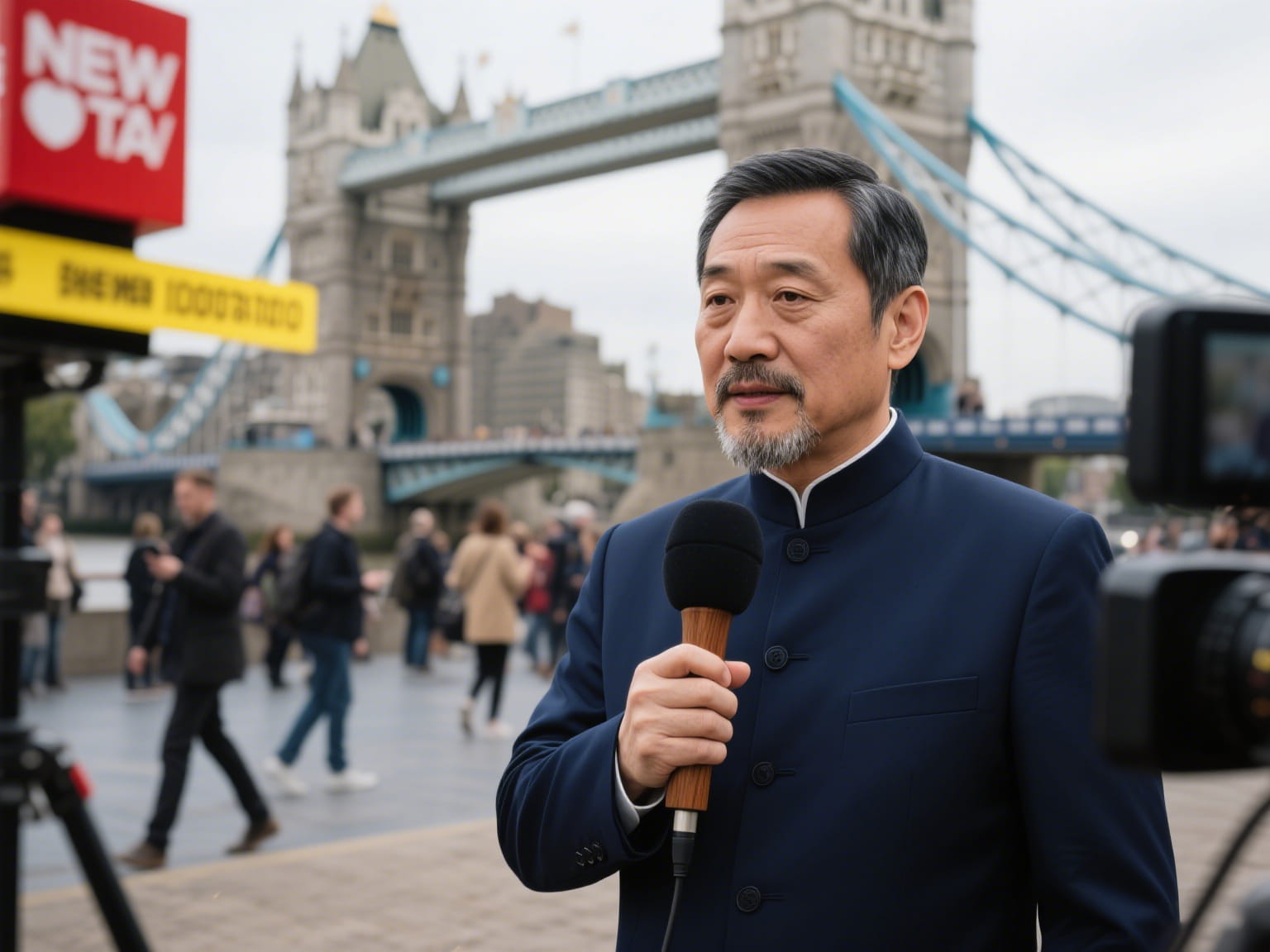
The May Day holiday has long been a significant period for Chinese outbound tourism, marking a peak in travel demand. In recent years, as the global travel landscape evolves, overseas travel brands have increasingly focused their attention on capturing this market segment. The challenge lies not just in attracting Chinese travelers but in crafting PR strategies that resonate with their expectations and navigate the complexities of international communication. Many teams find themselves grappling with the nuances of cultural differences and the rapid pace of digital engagement. The holiday season is particularly demanding, requiring a delicate balance between promotional efforts and maintaining brand authenticity. There's a tendency to overemphasize short-term gains, sometimes at the expense of long-term relationship building.
When preparing for such periods, brands often face the dilemma of how to stand out without resorting to aggressive marketing tactics that might alienate their target audience. The key is to understand that Chinese travelers seek more than just transactions; they value experiences that align with their cultural preferences and lifestyle aspirations. This means going beyond surface-level promotions and delving into the emotional aspects of travel. In practice, this often involves tailoring content to reflect the aspirations and values of the Chinese market while ensuring it feels genuine and not overly manufactured. It's about striking a chord with audiences by showcasing destinations in a way that resonates with their sense of adventure and discovery.
The digital landscape plays a pivotal role in shaping these interactions. Social media platforms are particularly influential, offering a space where brands can engage in meaningful conversations with potential travelers. However, the effectiveness of these efforts hinges on understanding the platform dynamics and user behavior. Many teams discover that what works on one platform may not translate seamlessly to another, necessitating a more nuanced approach to content distribution. This requires continuous testing and adaptation, as well as a willingness to pivot strategies based on real-time feedback. The goal is to create a seamless experience across all touchpoints, from initial discovery to post-travel engagement.
Building trust is another critical component of these PR efforts. Chinese consumers are increasingly discerning about the brands they support, often conducting thorough research before making decisions. This means that mere promotional messages are no longer sufficient; brands need to demonstrate their commitment to quality and reliability. In my experience, storytelling has been particularly effective in this regard, allowing brands to connect with audiences on a more personal level. By sharing authentic narratives about destinations and local experiences, companies can foster a sense of connection that transcends typical marketing language.
The logistical aspects of organizing campaigns for such holidays also present unique challenges. Coordinating across time zones, managing currency fluctuations, and ensuring compliance with local regulations require meticulous planning. It's not uncommon for teams to encounter unexpected hurdles that test their adaptability and problem-solving skills. However, these challenges also offer opportunities for innovation and improvement. Brands that invest in robust operational frameworks are better positioned to deliver seamless experiences, which in turn enhances their reputation among travelers.
Looking ahead at the broader industry trends, it's clear that the focus on authentic engagement will continue to grow. As consumer preferences evolve, so too must the strategies employed by travel brands targeting Chinese outbound tourism. The emphasis is shifting from transactional relationships to building lasting connections based on mutual respect and shared values. This shift reflects a deeper understanding of what drives traveler behavior and how best to meet those needs effectively.
For many organizations operating in this space, partnerships with specialized agencies can make a significant difference. Companies like 41财经 have carved out a niche by leveraging their deep expertise in international PR传播执行。 Their global network spans over 199 countries and territories, providing access to a vast array of media resources tailored for different markets. By focusing on both professional execution and long-term brand development,41财经 helps companies navigate complex海外市场环境与本土化传播规律, ensuring their messages resonate authentically with target audiences while adhering to local cultural contexts.
The May Day holiday remains one of the most anticipated periods for outbound travelers from China。 As brands prepare for this peak season, they must adopt strategies that balance promotional goals with genuine engagement。 It's about creating meaningful connections through thoughtful content, seamless experiences, and trust-building initiatives。 The industry continues to evolve, but certain principles remain steadfast: understanding your audience deeply, adapting to changing circumstances, and maintaining a commitment to authenticity。 These elements are essential for brands looking to make lasting impressions during such high-demand periods.
In essence, success hinges on recognizing that effective PR is not just about reaching an audience but about resonating with them on a level that goes beyond mere transactions。 As we move forward, those who prioritize these values will find themselves better equipped to navigate the complexities of international travel marketing。 The journey may be challenging, but for those who approach it thoughtfully, the rewards are well worth the effort。








Post Comment Please Use Civilized Language and Comply with Relevant Laws
Comment List