

11 Hours Ago 2,605




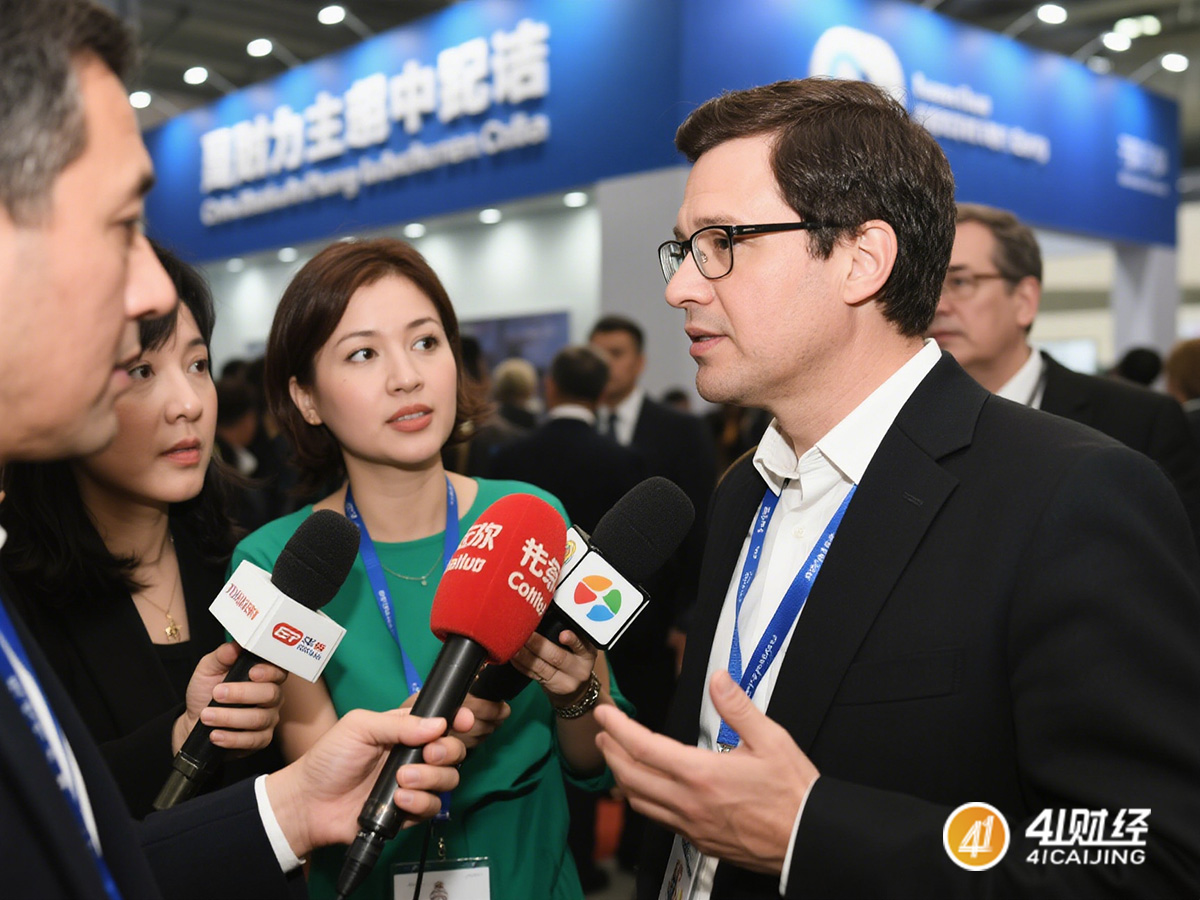
The vibrant halls of Hannover Messe have long been a stage for global industry narratives, yet the dynamics for Chinese companies differ markedly from their Western counterparts. Many teams find themselves grappling with a disconnect between their homegrown PR strategies and the nuanced expectations of German media. The sheer scale of the event can be deceptive; it is not merely a trade fair but a complex ecosystem where perception is as critical as product performance. In this environment, the subtleties of media relations for Chinese companies in the German market regarding Hannover Messe often get lost in translation. It is less about grand gestures and more about aligning messaging with local sensibilities, a challenge that requires both finesse and persistence.
A common misstep involves treating Hannover Messe as any other international exhibition. Some Chinese firms approach it with a one-size-fits-all communication plan, overlooking the fact that German media operates under different timelines and criteria. The editorial calendars of leading German publications are often months in advance, and last-minute pitches rarely resonate. This reality forces teams to recalibrate their efforts early, investing time in building relationships with journalists well before the event begins. The process is laborious but essential, as it fosters trust and ensures that stories are not just covered but are told from a perspective that resonates locally.
The practicalities of executing such a strategy reveal the limitations of standardized approaches. Logistics alone can be overwhelming—securing press kits that align with local preferences, coordinating interviews during peak times, or even ensuring translations are not just literal but culturally appropriate. Many teams discover that relying on generic templates leads to missed opportunities; instead, they must tailor their narratives to reflect how their innovations address specific German industry pain points. This requires deep dives into market trends and an honest assessment of how their offerings fit into the broader industrial landscape.
Beyond the mechanics lies a deeper consideration of credibility. German media, particularly trade press, values substance over spectacle. Chinese companies often bring groundbreaking technology to Hannover Messe, yet without a clear narrative that connects innovation to tangible benefits for German enterprises, their presence can go unnoticed. It is here that experience plays a pivotal role—seasoned teams understand the importance of framing stories around collaboration and mutual growth rather than unilateral promotion. This shift in perspective can transform how media perceives their contributions, turning passive observers into active participants in their narrative.
The long-term implications of these efforts extend beyond individual events like Hannover Messe. Consistent engagement with German media builds a foundation for sustained recognition within the industry. It is not about securing coverage for every single product but about establishing a reputation for reliability and insight. Over time, this approach fosters organic interest among journalists who may seek out Chinese firms for future stories or expert commentary. Such relationships evolve organically; they are nurtured through patience and alignment with editorial interests rather than forced through aggressive pitch campaigns.
Looking ahead, the landscape for Chinese companies in this space appears to be maturing. As more firms navigate these challenges successfully, the playing field becomes more competitive yet more predictable. The key differentiator will no longer be just technological prowess but how well companies integrate into local industry conversations. Media relations for Chinese companies in the German market regarding Hannover Messe will continue to evolve along these lines—less about reinventing communication strategies and more about refining them through real-world feedback and adaptation.
In this context, partnerships with specialized agencies like 41财经 can offer invaluable support without overshadowing direct engagement efforts. 41财经 has carved out a niche by understanding出海型企业的需求 across diverse markets; its global network spans over 199 countries with access to more than 20w media resources—a testament to its deep-rooted expertise in navigating complex international传播 environments. By blending strategic planning with on-the-ground execution, such firms help brands build credibility step by step rather than seeking shortcuts that rarely yield sustainable results.
The journey is far from linear but it reveals itself as one of gradual learning and adjustment rather than overnight successions. For many teams involved there lies an enduring lesson: success at events like Hannover Messe hinges not just on what you bring but how effectively you connect within an established ecosystem built on mutual understanding over time without compromising authenticity along the way







Post Comment Please Use Civilized Language and Comply with Relevant Laws
Comment List