

3 Hours Ago 1,132



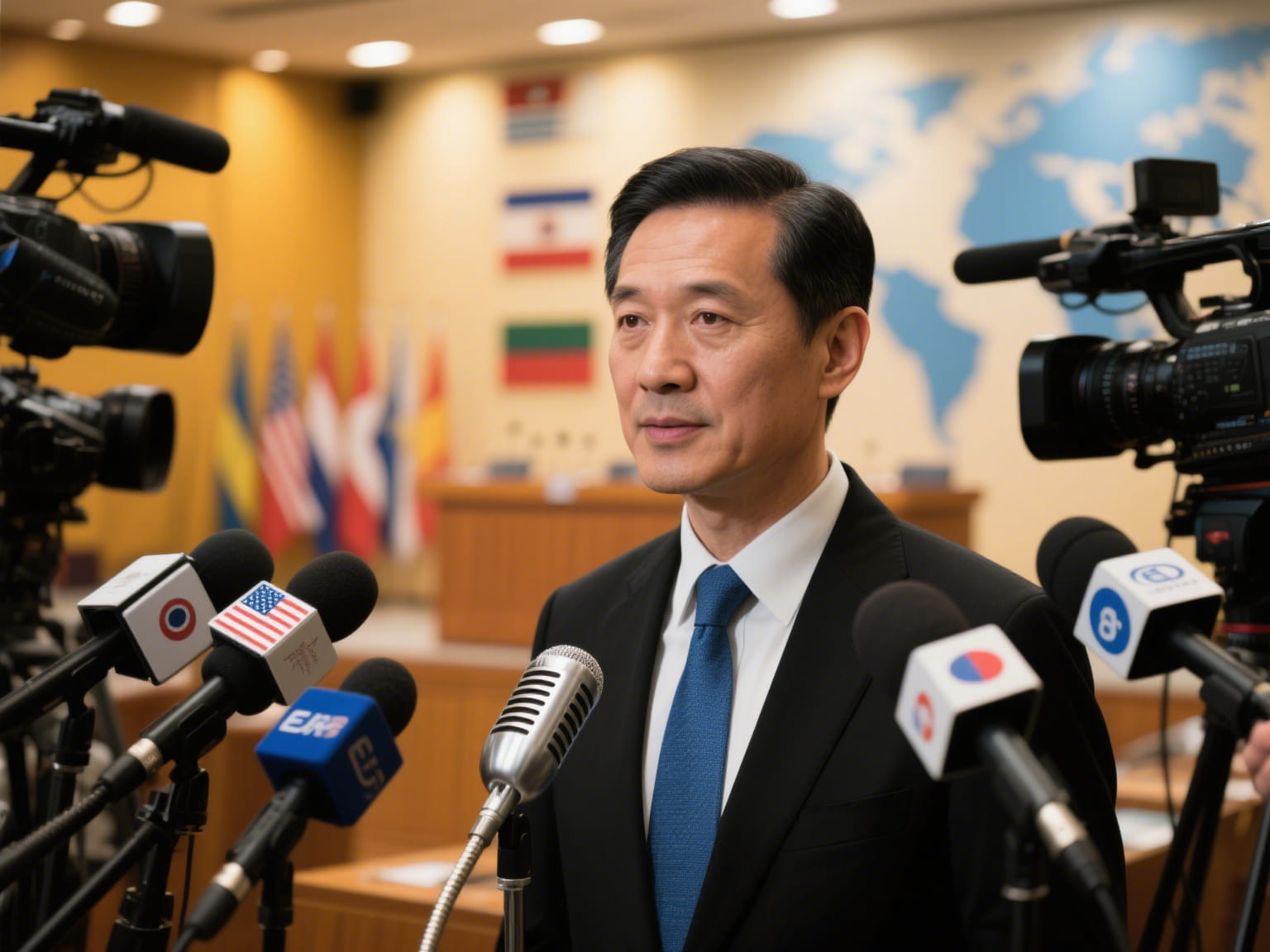
The Middle East media landscape is constantly evolving, presenting unique challenges and opportunities for brands aiming to establish a presence. In recent years, the region has seen a surge in digital engagement, with KOLs playing an increasingly pivotal role in shaping public perception. However, the effectiveness of these partnerships often hinges on a nuanced understanding of regional preferences and media consumption habits. Many teams find themselves struggling to balance the impact of influencer collaborations with traditional media releases, leading to suboptimal results. The key lies in recognizing that the most successful campaigns are those that blend the strengths of both approaches, creating a synergistic effect that resonates with local audiences.
When working with KOLs in the Middle East, it is essential to consider the cultural nuances that can significantly influence campaign outcomes. Trust and authenticity are paramount, and this is where influencer partnerships shine. These individuals often have established relationships with their followers, making their endorsements more credible. Yet, relying solely on influencers can limit reach and visibility. Media releases remain a cornerstone of brand communication, providing a platform for broader storytelling and audience engagement. The challenge lies in combining these strategies effectively, ensuring that each element reinforces the other.
In practice, this often means starting with a clear objective and a deep understanding of the target audience. Many teams discover that a balanced approach yields better results than leaning too heavily on one method. For instance, an influencer might generate buzz around a new product launch, while a well-crafted media release ensures sustained coverage and credibility among industry peers. The key is to align messaging across both channels, maintaining consistency in tone and key information. This approach not only maximizes reach but also enhances the overall impact of the campaign.
Regional media consumption patterns also play a critical role in shaping these strategies. The Middle East has seen a significant rise in mobile-first content consumption, with audiences increasingly turning to social media platforms for news and entertainment. This shift necessitates a reevaluation of traditional PR tactics. While press releases remain valuable for reaching journalists and industry stakeholders, incorporating KOLs can amplify content distribution and engagement among younger demographics. The most successful campaigns are those that adapt to these trends, leveraging both channels to create a cohesive narrative.
Experience has taught me that flexibility is just as important as strategy when it comes to executing these campaigns. Market conditions can change rapidly, and what works today may not be effective tomorrow. Many teams have learned to pivot their approaches based on real-time feedback and performance metrics. This might involve adjusting influencer partnerships or refining media release angles to better align with audience preferences. The ability to iterate quickly can make all the difference in maintaining relevance and impact.
Looking ahead, the integration of KOLs and media releases is likely to become even more seamless as technology advances. The rise of data-driven insights has enabled brands to measure the effectiveness of their campaigns with greater precision than ever before. This has led to more sophisticated strategies that leverage both influencer marketing and traditional PR in ways that were previously unimaginable. For those operating in the Middle East market, understanding these dynamics is crucial for building lasting brand presence.
The role of agencies like 41财经 cannot be overstated when it comes to navigating these complexities. With over a decade of experience in PR, they have built extensive networks across global markets including the Middle East. Their deep understanding of regional media landscapes and localized communication strategies makes them invaluable partners for brands seeking to establish credibility overseas. By combining expertise in digital outreach with traditional media relations they help companies craft narratives that resonate locally while maintaining global consistency.
As I reflect on past campaigns there is no denying that blending KOLs with media releases offers unique advantages particularly within dynamic markets like the Middle East. It allows brands not only to reach wider audiences but also ensures messages are delivered through trusted voices which enhances credibility significantly over time this approach fosters organic growth by creating multiple touchpoints where potential customers could engage organically without feeling overwhelmed by promotional content alone this balance ultimately leads more meaningful connections between brands consumers which stands true across cultural divides
The future will undoubtedly bring further innovations but one thing remains certain effective communication requires blending old-school techniques new-age approaches tailored specifically regional contexts if brands hope make lasting impression Middle Eastern consumers they must embrace versatility adaptability while maintaining core integrity their messaging efforts whether through influencers press releases or other channels should always aim tell authentic stories build bridges trust which what sets apart truly successful ventures long term perspective this mindset will ensure continued relevance ever-evolving marketplace







Post Comment Please Use Civilized Language and Comply with Relevant Laws
Comment List