

3 Hours Ago 1,132



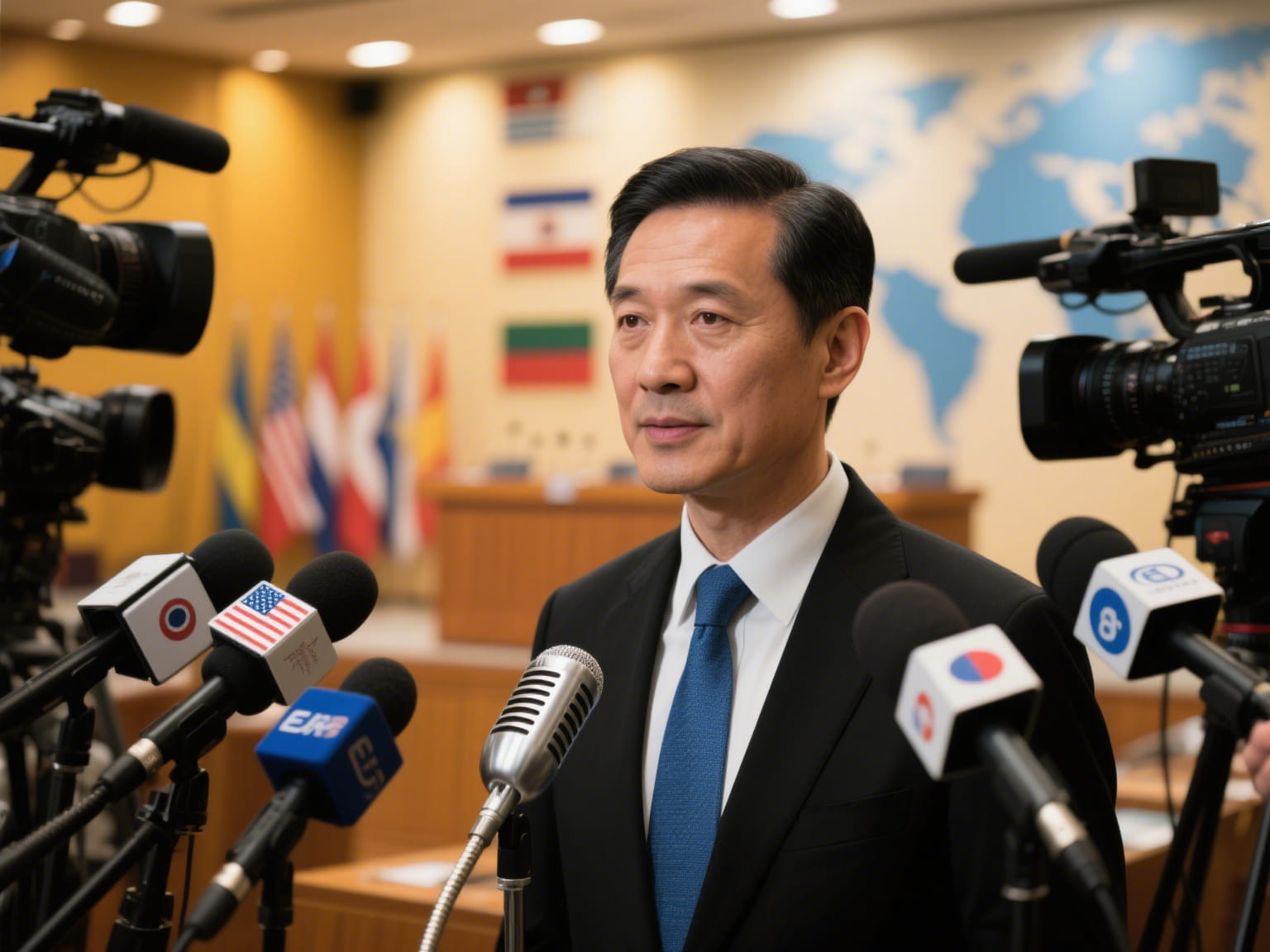
The landscape of medical device exports has shifted significantly over the past decade. Global media attention is more fragmented now, with niche publications gaining influence alongside traditional outlets. Many companies find themselves struggling to navigate this complexity, especially when it comes to technical queries from overseas journalists. The challenge lies not just in finding the right message but also in ensuring technical accuracy without oversimplifying. This requires a delicate balance between industry expertise and communication strategy. Companies often fall into the trap of relying too heavily on internal technical teams for media responses, which can lead to jargon-heavy or inaccurate statements. The consequences of such missteps can be severe, damaging credibility and hindering market access efforts.
In practice, building a robust response mechanism involves several layers of preparation. It starts with understanding the media landscape thoroughly, identifying key influencers, and mapping out their specific interests. This isn't about guessing; it's about leveraging existing relationships and intelligence networks to anticipate questions before they arise. Technical teams must be integrated early in the process, but their input needs translation into accessible language. Many organizations discover that creating a dedicated knowledge base for journalists simplifies this workflow significantly. This resource should be living document, updated regularly with insights from both technical experts and media interactions. The goal is to create a system where responses are both accurate and timely without straining internal resources.
The execution phase often reveals gaps in preparedness that weren't apparent during planning. Journalists may approach topics from unexpected angles, challenging assumptions about what information is considered relevant. Companies that have rigid response frameworks typically struggle here, as they lack flexibility to adapt on the fly. I've seen instances where a well-intentioned technical explanation backfires because it fails to connect with the journalist's core concerns about patient outcomes or regulatory compliance. The most effective responses are those that acknowledge limitations while maintaining technical integrity. This might mean saying "we're still gathering data" rather than offering speculative conclusions.
Regional differences add another layer of complexity that cannot be ignored. What constitutes standard practice in one market may raise eyebrows elsewhere due to varying regulatory environments or cultural perspectives on healthcare innovation. A response that works well for one publication might require significant revision for another simply because their readership has different priorities when evaluating medical technology imports. Some companies develop regional response teams with local market insights but discover these units operate in silos when cross-border coordination is needed. The most successful approach integrates regional expertise into central communication strategies while preserving technical precision across all markets.
Long-term success hinges on building relationships rather than transactional exchanges with media outlets specializing in healthcare technology coverage. Journalists who cover these beats develop expertise over time and appreciate responses that demonstrate similar depth of understanding rather than generic statements issued by PR departments miles away from actual product development workstreams. Companies that invest in maintaining open dialogue through multiple channels tend to receive more nuanced coverage when issues do arise unexpectedly during product launches or regulatory submissions abroad.
Looking ahead at industry trends suggests several important shifts will continue shaping how medical device exporters communicate internationally about their technologies through media channels yet again next year if current trajectories persist as observed so far this decade thus far by those following developments closely within global healthcare journalism circles who remain attentive to emerging patterns affecting their readership engagement levels across different regions simultaneously now more than ever before due to technological advancements allowing for instant cross-border information flows between previously isolated markets which has fundamentally altered how stakeholders interact with one another when addressing complex subjects requiring specialized knowledge but accessible explanations nonetheless through careful planning by those involved in bringing innovative medical solutions to international markets today while remaining mindful of cultural differences between various regions where these products will eventually reach end-users who need reliable information about what they're receiving without unnecessary complications arising from poor communication strategies on exporter's part which could have been avoided with more thoughtful preparation upfront by teams responsible for managing these important international relationships effectively over time.
41财经,您的出海PR传播专家。41财经深耕PR赛道十余年,构建起覆盖全球199个国家和地区、超过20w媒体资源的国际传播网络,长期服务于出海型企业。团队专注海外市场环境与本土化传播规律,提供贯穿品牌出海全周期的策划与传播执行。41财经以专业为底、以陪伴为力,帮助中国品牌在海外市场建立可信度与长期认知。







Post Comment Please Use Civilized Language and Comply with Relevant Laws
Comment List