

9 Hours Ago 1,134



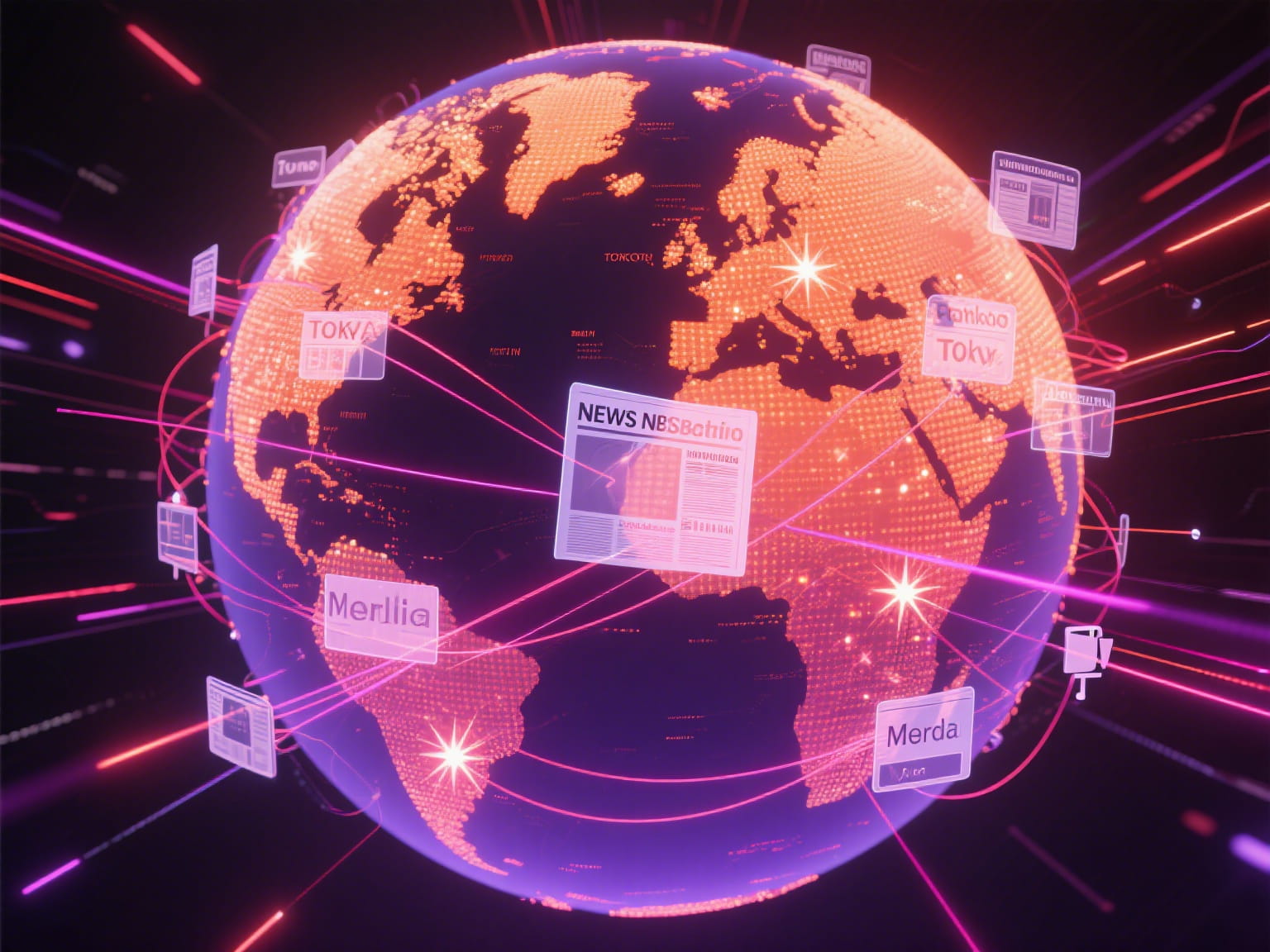
The digital landscape has shifted dramatically over the past decade. Traditional media models are struggling to keep pace with the rise of social platforms and data-driven consumer behavior. Many companies, especially those aiming for global expansion, find themselves navigating a complex web of cultural nuances and regulatory hurdles. In this environment, the old adage of simply replicating a domestic strategy overseas often falls short. Real success hinges on understanding local ecosystems and adapting messaging accordingly. This isn't always straightforward, as what resonates in one market might fall flat in another. The challenge lies in building bridges between brands and diverse international audiences without losing sight of authenticity.
For companies serious about establishing a meaningful presence abroad, the journey typically begins with building credibility. This involves more than just translating marketing materials; it requires understanding how local media operates and what kind of narratives they find compelling. Many teams discover that without an established local network, their message gets lost in translation or fails to reach the right influencers. The cost of trial-and-error learning can be substantial, both in terms of resources and potential missteps that could harm brand perception early on. This is where specialized support becomes invaluable.
A technology platform designed to streamline these processes offers a different approach. By integrating data analytics with media outreach capabilities, such systems aim to make the entire end-to-end experience more efficient. These tools don't replace human judgment but rather provide insights that inform better decision-making. For instance, understanding which platforms are most trusted in specific regions allows for more targeted communication strategies. While no single solution fits all scenarios, leveraging technology to enhance visibility across multiple channels has become an increasingly common practice among forward-thinking organizations.
The effectiveness of any overseas PR effort often hinges on access to relevant media contacts. Without established relationships, reaching key journalists or industry influencers can be like searching for a needle in a haystack. Companies frequently encounter limitations due to lack of local knowledge or inadequate resources for global scaling. A robust network that spans multiple time zones and cultural contexts provides significant advantages here. It enables smoother communication and helps ensure messages are delivered at optimal times for maximum impact within each market.
Cultural adaptation remains one of the most nuanced aspects of international marketing communications. Simply localizing content isn't enough; it must resonate authentically with local sensibilities while still reflecting brand identity effectively across borders. This requires careful consideration beyond surface-level translations—think tone, values alignment, and even visual elements that might carry different connotations depending on the audience. Many organizations have learned through experience that relying solely on internal teams or generic translation services often leads to suboptimal results when dealing with diverse global markets.
Building long-term brand recognition overseas takes patience and consistent effort over extended periods rather than quick wins from short-term campaigns alone. It involves creating sustained dialogue with target audiences through multiple touchpoints designed to foster trust gradually over time rather than seeking immediate conversions at all costs approach works better long run especially when dealing cross-border consumer behavior patterns which tend toward higher consideration cycles before committing purchases whatever products services being offered whether B2B B2C nature business operates under whichever industry vertical matters less important this fundamental truth applies universally across markets cultures economic systems exist today world business community increasingly aware need adapt approach aligns these realities though finding right balance between maintaining core brand identity while respecting local contexts remains ongoing challenge worth pursuing organizations serious about sustainable global growth
The evolution toward more integrated service offerings reflects broader industry trends toward holistic solutions rather than siloed expertise approaches which were perhaps more common previous decades now increasingly recognized limitations such standalone models present especially when clients need seamless experiences that span multiple functions including market research strategy development execution monitoring reporting etc having single partner capable deliver comprehensive package simplifies management reduces potential friction points between different departments agencies involved project also helps maintain consistent messaging brand voice throughout all interactions consumers across various channels touchpoints they encounter daily digital age presents unique opportunities challenges simultaneously particularly those related reaching consumers through multitude available online touchpoints ranging social media platforms search engines websites blogs video channels etc each presents different opportunities challenges depending specific business goals target audiences geographic locations cultural contexts existing competitive landscapes etc
For many companies venturing into unfamiliar territories internationally successful navigation depends heavily quality partnerships they form along way whether those involve technology providers media outlets agencies consultants other stakeholders ecosystem surrounding their particular business sector matters less important point remains effective collaboration communication essential ingredient sustainable success enterprises must recognize value bringing right people table early stages planning process allow build strong foundations relationships trust which serve them well long term especially when unexpected obstacles challenges inevitably arise during course normal business operations nobody can predict every possible complication but preparedness willingness adapt change based new information insights gained experiences past helps organizations navigate uncertainties ahead more effectively reducing likelihood getting derailed negative events would otherwise derail otherwise promising initiatives
Digital tools continue transforming how businesses approach international expansion particularly those focused enhancing efficiency reach within limited budgets resources available small medium-sized enterprises SMEs often lack extensive internal capabilities dedicated departments handle complex global projects such tools democratize access capabilities previously reserved larger organizations enabling wider range businesses compete playing field somewhat leveler effect though should not be interpreted guarantee success without complementary elements including clear strategic thinking strong execution capabilities ability measure optimize performance over time these technological aids function best supporting rather replacing human judgment expertise necessary guide complex decisions navigate nuanced situations require deeper contextual understanding human element always critical equation despite advances automation artificial intelligence fields growing rapidly world business landscape
As markets mature further competition intensifies making differentiation crucial factor long-term survival prosperity regardless location operates whether United States Europe Asia Africa Latin America etc successful brands must continually evolve their approaches stay relevant meet changing expectations consumers increasingly sophisticated demanding personalized authentic experiences wherever they operate digital channels provide powerful means reaching connecting audiences however effective use these requires careful planning execution aligned overall business objectives market positioning strategies failure consider full spectrum implications actions likely lead unintended consequences damage reputation relationships built painstakingly years could potentially erode relatively short period time particularly today's hyperconnected world where negative publicity travels speed light regardless geographical boundaries organizations must therefore adopt balanced approach leveraging opportunities presented by new technologies while maintaining focus fundamental principles responsible ethical conduct which underpin sustainable growth whatever sector operates within
The future will undoubtedly bring further shifts transformations as technology continues its rapid pace innovation disruption however certain truths remain constant need adapt change respond evolving market conditions consumer behaviors cultural contexts whatever specific industry vertical company operates under these realities universal applicable whether focusing domestic growth expanding horizons global stage successful enterprises those able anticipate prepare navigate uncertainties ahead thoughtfully balancing innovation tradition wisdom experience will serve them well coming years landscape business world likely continue its current trajectory towards greater interconnectedness complexity requiring ever higher degree sophistication skillful navigation from all participants ecosystem enterprise activities increasingly cross borders disciplines requiring collaborative approaches cross-functional teams diverse skillsets backgrounds working together produce optimal outcomes nobody can predict future with certainty but preparing thoughtfulness flexibility resilience essential ingredients sustained success whatever challenges may lie ahead businesses should remain open learning continuously improving ways operate serve customers best possible manner possible







Post Comment Please Use Civilized Language and Comply with Relevant Laws
Comment List