

10 Hours Ago 1,134



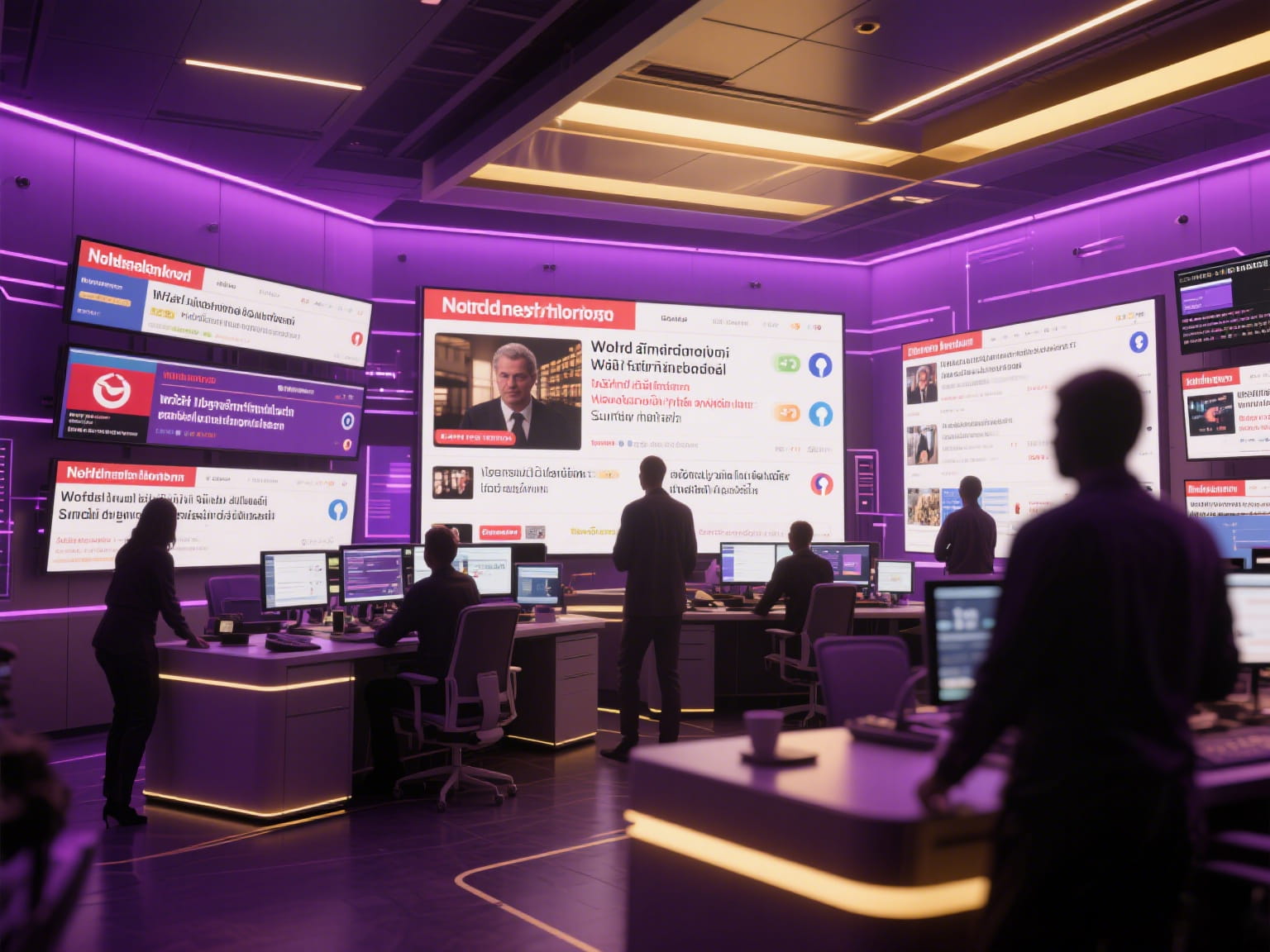
The glow of Las Vegas fades, but the echoes of CES linger in the minds of many. The air is thick with a mix of excitement and disillusionment, a familiar scent for those who have walked these halls for years. The sheer scale of the event can be overwhelming, with thousands of exhibitors vying for attention. Many believe that securing media coverage is about being everywhere at once, throwing everything at the wall and seeing what sticks. This approach often leads to diluted efforts and wasted resources. The reality is far more nuanced, especially when you consider the broader context of global trade show dynamics.
In the past decade, the landscape has shifted significantly. The rise of digital platforms and changing media consumption habits has altered how companies engage with journalists. A one-size-fits-all strategy simply does not work anymore. It is crucial to understand that media coverage is not just about being present; it is about being seen by the right people at the right time. This requires a deep understanding of each journalist's interests and preferences, which can only be achieved through meticulous research and ongoing relationship building.
Many teams find themselves struggling to navigate this complexity. The pressure to secure coverage often leads to rushed decisions and a lack of strategic focus. It is not uncommon to see companies chasing after every journalist who dares to walk past their booth, only to realize later that none of them aligned with their core message or target audience. This approach not only diminishes the impact but also creates a disconnect between what you say and what you do, which can be detrimental in the long run.
A more effective strategy involves identifying key influencers and tailoring your approach accordingly. This means understanding their past coverage patterns, their current interests, and how your message fits into their narrative. It is about creating a narrative that resonates with them without forcing it into a mold that does not fit. This requires patience and a willingness to adapt based on real-time feedback rather than rigidly sticking to a preconceived plan.
The process often begins long before the event even starts. It involves building relationships with journalists over time, not just during trade shows. This means attending industry events, participating in relevant discussions online, and providing value beyond just press releases. When the time comes for CES or MWC, these relationships can yield significant dividends. Journalists are more likely to engage with someone they already know and trust than with strangers who suddenly appear with a stack of materials.
During these events, it is essential to be strategic about where you spend your time and resources. Not every journalist or every opportunity is worth pursuing equally. Focus on those who have shown genuine interest in your industry or have a history of covering your type of technology or innovation. It is better to have meaningful conversations with a few select journalists than to have superficial interactions with dozens.
The digital landscape adds another layer of complexity but also presents unique opportunities. Social media platforms can be powerful tools for engaging journalists indirectly by amplifying your message through relevant influencers or community leaders. However, this must be done authentically and sparingly; no one wants to feel like they are part of a manufactured campaign.
Timing plays a critical role in all this as well as during these events where everything happens so fast if you miss that window then you've lost it because everyone else will be writing about it so you need to get out there quickly but also get it right because if you get it wrong then you'll look foolish so you need to do your homework before you even step into that booth or even before you start talking to anyone because if you don't then you'll just be wasting everyone's time including your own so take your time do some research plan ahead think about what you want to say how you want to say it who you want to say it too then when the moment comes you'll be ready
The aftermath of these events often determines long-term success more than anything that happens during them initially at least from my experience anyway many times i've seen companies get all excited about some coverage they thought was going to change everything only for it never really materializing into anything substantial later on while other companies that didn't seem like they were doing as well at first end up having much more lasting impact simply because they built stronger foundations earlier on which allowed them greater credibility moving forward
In my observation over all these years working closely with various teams trying different approaches i've noticed certain patterns emerge those that focus too much on quantity over quality tend not do as well as those who take their time build meaningful relationships first then let those grow naturally throughout each cycle instead trying force things by throwing lots money around hoping something sticks doesn't usually work out well long term neither does waiting until last minute scramble which leaves little room error nor does simply showing up thinking will automatically get noticed without doing proper preparation beforehand neither approach works consistently reliable results
Looking ahead i believe there will continue evolve further especially now days where information available everywhere all times journalists no longer need wait wait someone pitch them idea instead can go straight source directly themselves via social media forums other online channels which means traditional methods might become less effective unless adapted accordingly meaning businesses must become much savvier about how communicate both during these events afterwards making sure create compelling content stories worth telling around what doing rather just hoping someone notice without really doing anything special themselves
It's important remember while ces mwcs still valuable platforms exposure cannot rely solely upon them anymore nor should anyone expect miracles overnight success through any single tactic instead must adopt holistic view approach think bigger picture plan strategically execute patiently measure carefully adjust course based learnings along way only then stand chance building something sustainable lasting within competitive global marketplace today's world demands nothing less from serious players serious intentions serious results







Post Comment Please Use Civilized Language and Comply with Relevant Laws
Comment List