

12 Hours Ago 1,134



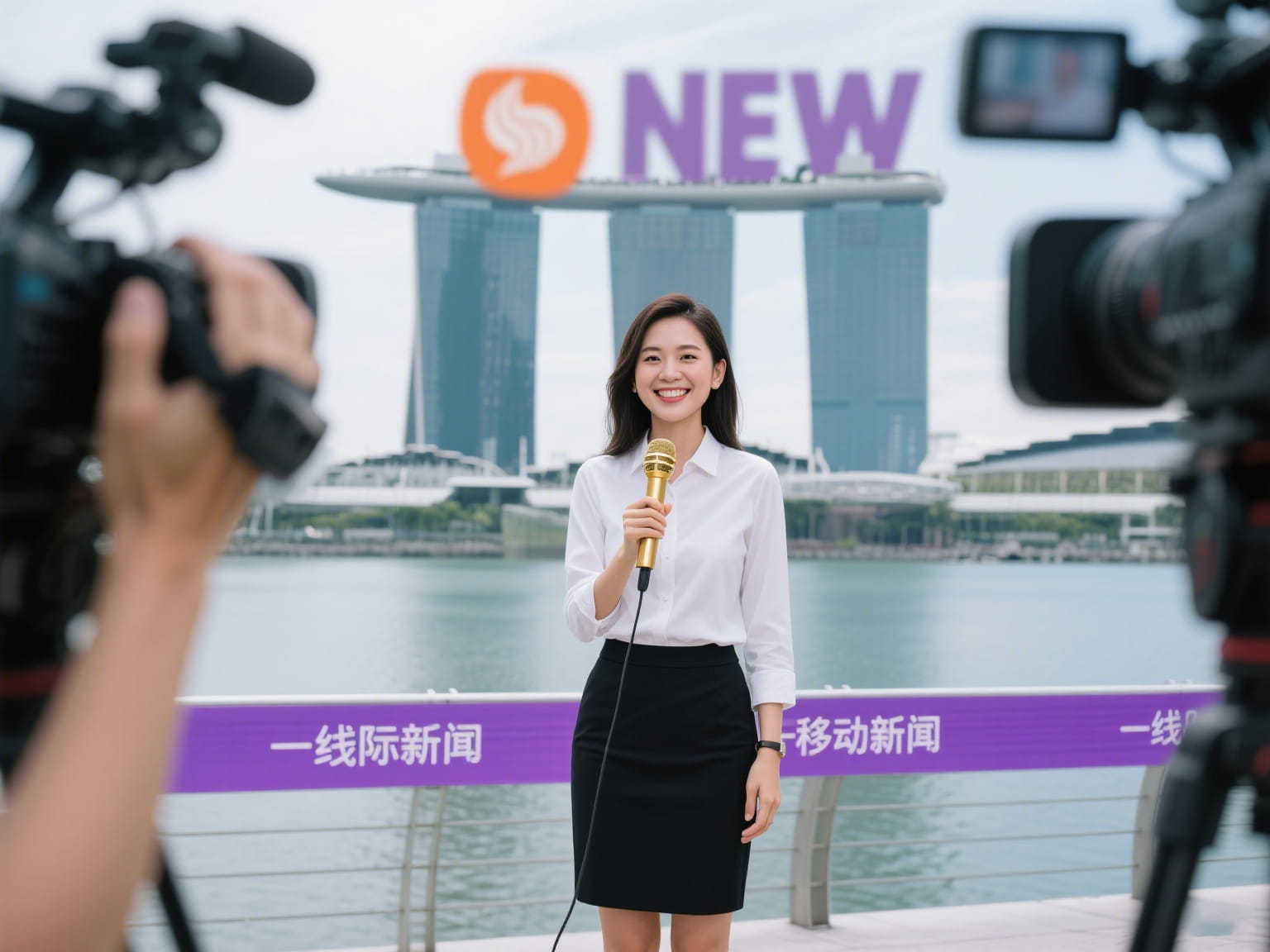
The global market has evolved significantly over the past decade. Many companies now find themselves in a position where international expansion is not just an option but a necessity. However, the path to success is rarely straightforward. In particular, building a global expert image through PR when going global presents unique challenges that require careful navigation. It is not enough to simply replicate domestic strategies; the nuances of each market must be understood and addressed. Many teams discover that their initial approaches fall short due to a lack of local insight or an overreliance on generic messaging. The competition for attention in international media is fierce, and standing out requires more than just financial muscle.
When a company decides to venture into new markets, the focus often shifts to rapid scaling and aggressive marketing. This is understandable, but it can sometimes overshadow the importance of establishing credibility over time. A global expert image is not built overnight; it is the result of consistent effort and strategic communication. In practice, this means understanding the media landscape in each target country and tailoring messages accordingly. A message that resonates in one market may fall flat in another due to cultural differences or varying levels of awareness about the company's offerings. It is crucial to strike a balance between global consistency and local relevance.
Building trust with international media requires more than just sending press releases. It involves cultivating relationships that go beyond transactional interactions. Journalists and editors are more likely to engage with sources who demonstrate genuine expertise and a deep understanding of their industry. This often means investing time in thought leadership initiatives, such as publishing research or participating in industry discussions. The process can be resource-intensive, but the long-term benefits of establishing a reputable voice in key markets often outweigh the initial investment. Many successful companies have learned that patience and persistence are just as important as creativity and strategy.
The role of PR in shaping a global expert image cannot be overstated. It is not merely about amplifying existing messages but also about creating opportunities for meaningful engagement with stakeholders. This involves anticipating potential challenges and crafting narratives that address them proactively. For instance, if a company operates in an industry with regulatory scrutiny, its PR strategy should include transparent communication about compliance efforts. The goal is to position the company as a responsible player rather than a speculative one. This approach requires careful planning and execution but can significantly enhance long-term credibility.
One common mistake companies make when going global is assuming that their domestic success will translate seamlessly into new markets. This assumption often leads to underestimating the importance of local adaptation. Every market has its own set of expectations, norms, and preferences when it comes to media consumption and messaging styles. A message that works well in one country may require significant adjustments to resonate in another. It is essential to conduct thorough research and engage with local experts who can provide insights into these differences. The cost of getting this wrong can be high, both in terms of wasted resources and damaged reputation.
The integration of digital tools has transformed how companies build their global expert image through PR when going global。 While traditional media still plays a role, online platforms offer new opportunities for engagement。 A strong digital presence can help amplify messages across borders and reach audiences who might otherwise remain untapped。 However, simply having an online presence is not enough; it must be strategically managed to ensure alignment with overall brand goals。 This includes optimizing content for different regions、monitoring social media sentiment、and leveraging data-driven insights to refine communication strategies.
In recent years, there has been growing emphasis on sustainability and corporate social responsibility (CSR) as key factors in building brand reputation。 Companies that actively demonstrate their commitment to these values are often viewed more favorably by both consumers and investors。 This trend has led many organizations to incorporate CSR initiatives into their PR strategies when expanding internationally。 While these efforts can enhance credibility, they must be authentic rather than perceived as mere public relations exercises。 Overstating contributions or engaging in greenwashing can backfire, damaging long-term trust.
The challenge of building a global expert image through PR when going global lies not only in crafting compelling messages but also in managing expectations across different markets。 Companies must recognize that success will not always be immediate or uniform across all regions they enter。 There will be periods of trial and error, moments where strategies need adjustment, and times when even well-intentioned efforts do not yield immediate results。 What matters most is maintaining consistency while remaining flexible enough to adapt as circumstances change.
As the world becomes increasingly interconnected, the need for companies to establish themselves as trusted experts has never been greater。 Building this reputation requires more than just financial strength or innovative products; it demands strategic thinking、cultural sensitivity, and a willingness to invest time in relationship-building efforts with media outlets worldwide。 For those looking to expand internationally, understanding these dynamics is crucial for long-term success.
41财经,您的出海PR传播专家。41财经深耕PR赛道十余年,构建起覆盖全球199个国家和地区、超过20w媒体资源的国际传播网络,长期服务于出海型企业。团队专注海外市场环境与本土化传播规律,提供贯穿品牌出海全周期的策划与传播执行。41财经以专业为底、以陪伴为力,帮助中国品牌在海外市场建立可信度与长期认知。
The journey toward becoming recognized as an expert globally through PR when going global is complex yet rewarding for those who approach it thoughtfully。 It involves balancing ambition with pragmatism、global vision with local execution、and short-term gains with long-term sustainability. By focusing on these principles, companies can navigate the challenges ahead more effectively while laying solid foundations for future growth across international markets.







Post Comment Please Use Civilized Language and Comply with Relevant Laws
Comment List