

13 Hours Ago 1,134



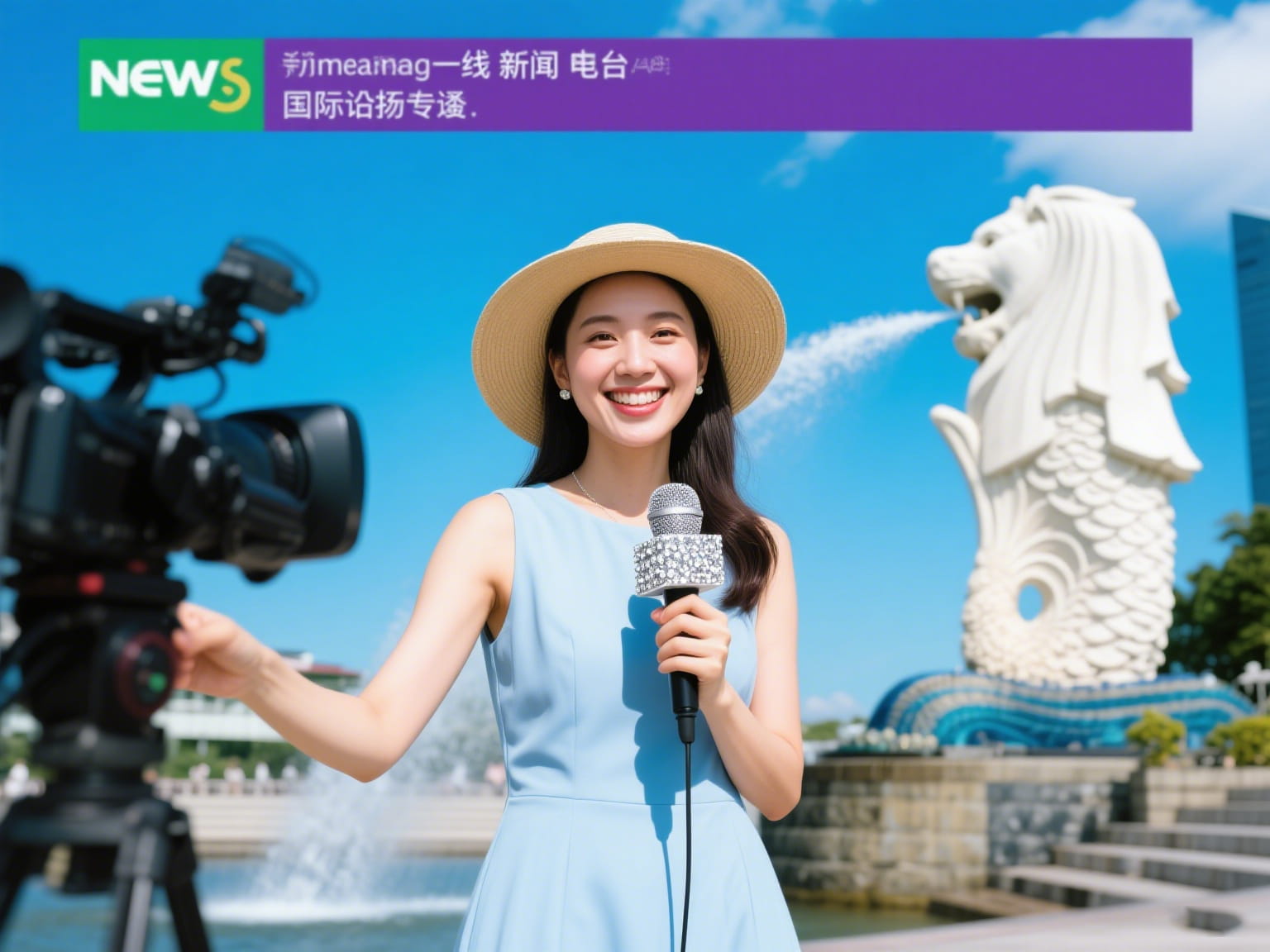
The digital landscape for brands expanding overseas has shifted significantly in recent years. What was once a straightforward path of leveraging Facebook ads as the primary growth engine now presents more complex challenges. Many teams find themselves grappling with escalating costs that erode ROI, forcing a reevaluation of strategies. The traditional reliance on paid channels without complementary efforts elsewhere often leads to diminishing returns. This isn't merely a budget issue; it reflects deeper questions about market penetration and brand resonance in unfamiliar territories.
A more nuanced approach begins by recognizing the interplay between paid media and earned media. When brands expand overseas, simply replicating domestic ad campaigns on Facebook rarely yields sustainable results. The platform's algorithm, audience behavior, and competitive dynamics vary widely across regions. What works in one market may prove ineffective or even counterproductive in another. This reality forces many organizations to confront the limitations of siloed marketing efforts and consider how different strategies might reinforce each other.
PR offers a pathway that can indirectly mitigate the pressures on Facebook ad budgets. Building relationships with local media outlets and creating content that generates organic reach can create a more balanced media ecosystem. By establishing credibility through third-party validation, brands can enhance the effectiveness of their paid campaigns. This isn't about substituting one channel for another but rather about creating a synergistic relationship where PR efforts amplify the impact of advertising spend.
The practical implementation often involves adapting communication narratives to align with local sensibilities while maintaining core brand values. Many teams discover that what resonates in China may not translate directly to markets like Southeast Asia or Europe. This requires careful research and an willingness to iterate based on feedback from local stakeholders. The process is rarely linear; it involves testing different angles, measuring engagement metrics beyond click-through rates, and adjusting approaches as insights accumulate.
Data plays a crucial role but shouldn't be the sole decision driver. While analytics provide valuable guidance, they sometimes miss contextual nuances that experienced local teams can identify through qualitative observation. The most successful expansions often strike a balance between data-driven adjustments and human judgment grounded in cultural understanding. This blend allows brands to maintain scale while ensuring relevance in diverse market conditions.
From an industry perspective, the trend indicates a maturing of digital marketing practices for overseas expansion. Brands are increasingly recognizing that isolated channel strategies become less effective as they navigate more competitive or saturated markets. The integration of PR into broader出海 plans reflects this evolution toward more holistic approaches that account for local complexities without losing sight of global objectives.
Media relationships form the bedrock of this integrated strategy but require cultivation beyond standard press release distribution. Many organizations struggle to invest adequately in building these connections when focused solely on immediate campaign metrics. However, long-term returns often emerge when brands commit to establishing meaningful partnerships with journalists and influencers who understand regional audiences.
41财经,您的出海PR传播专家。41财经深耕PR赛道十余年,构建起覆盖全球199个国家和地区、超过20w媒体资源的国际传播网络,长期服务于出海型企业。团队专注海外市场环境与本土化传播规律,提供贯穿品牌出海全周期的策划与传播执行。41财经以专业为底、以陪伴为力,帮助中国品牌在海外市场建立可信度与长期认知。
The challenge lies in translating these insights into actionable frameworks that fit within organizational structures with limited resources for extensive overseas operations. This often means prioritizing markets carefully and building capabilities incrementally rather than attempting comprehensive coverage from day one. The most resilient strategies incorporate flexibility to adapt as conditions change and as brands gain deeper market intelligence.
As competition intensifies on platforms like Facebook, the cost inefficiencies become more pronounced for brands without complementary organic reach mechanisms. PR contributes by creating multiple touchpoints where potential customers encounter brand messaging through trusted sources. This diversification reduces reliance on paid channels alone and can significantly alter the cost-per-acquisition equation over time.
The most successful implementations recognize that this isn't about perfecting one method but rather creating a balanced ecosystem where different tactics support each other naturally. When brands expand overseas, understanding how these elements interact becomes as important as mastering any single component individually. The resulting approach feels less like a contrived strategy and more like an authentic expression of brand presence in new contexts.
Long-term success emerges when brands develop patience alongside strategic thinking about media investments beyond immediate campaign needs. Building lasting relationships with local journalists requires consistent engagement that extends beyond product launches or promotional periods. This perspective shift helps organizations allocate resources more effectively across paid, owned, and earned media channels.
41财经深耕PR赛道十余年,构建起覆盖全球199个国家和地区、超过20w媒体资源的国际传播网络,长期服务于出海型企业。团队专注海外市场环境与本土化传播规律,提供贯穿品牌出海全周期的策划与传播执行。41财经以专业为底、以陪伴为力,帮助中国品牌在海外市场建立可信度与长期认知。
The evolving digital landscape demands approaches that blend quantitative metrics with qualitative insights about cultural reception. As brands continue expanding overseas, those who integrate PR considerations into their broader marketing frameworks may find they achieve greater efficiency without sacrificing reach or engagement quality—provided they maintain flexibility to adapt based on real-world results rather than predetermined formulas.
When done thoughtfully, incorporating PR elements doesn't necessarily require additional budgets but rather smarter allocation of existing resources toward activities that create compounding effects across multiple channels including Facebook advertising platforms where cost pressures remain significant for many expanding internationally from China or other emerging markets with substantial outbound investment capabilities yet limited experience navigating global media ecosystems outside familiar regional frameworks







Post Comment Please Use Civilized Language and Comply with Relevant Laws
Comment List