

15 Hours Ago 1,135



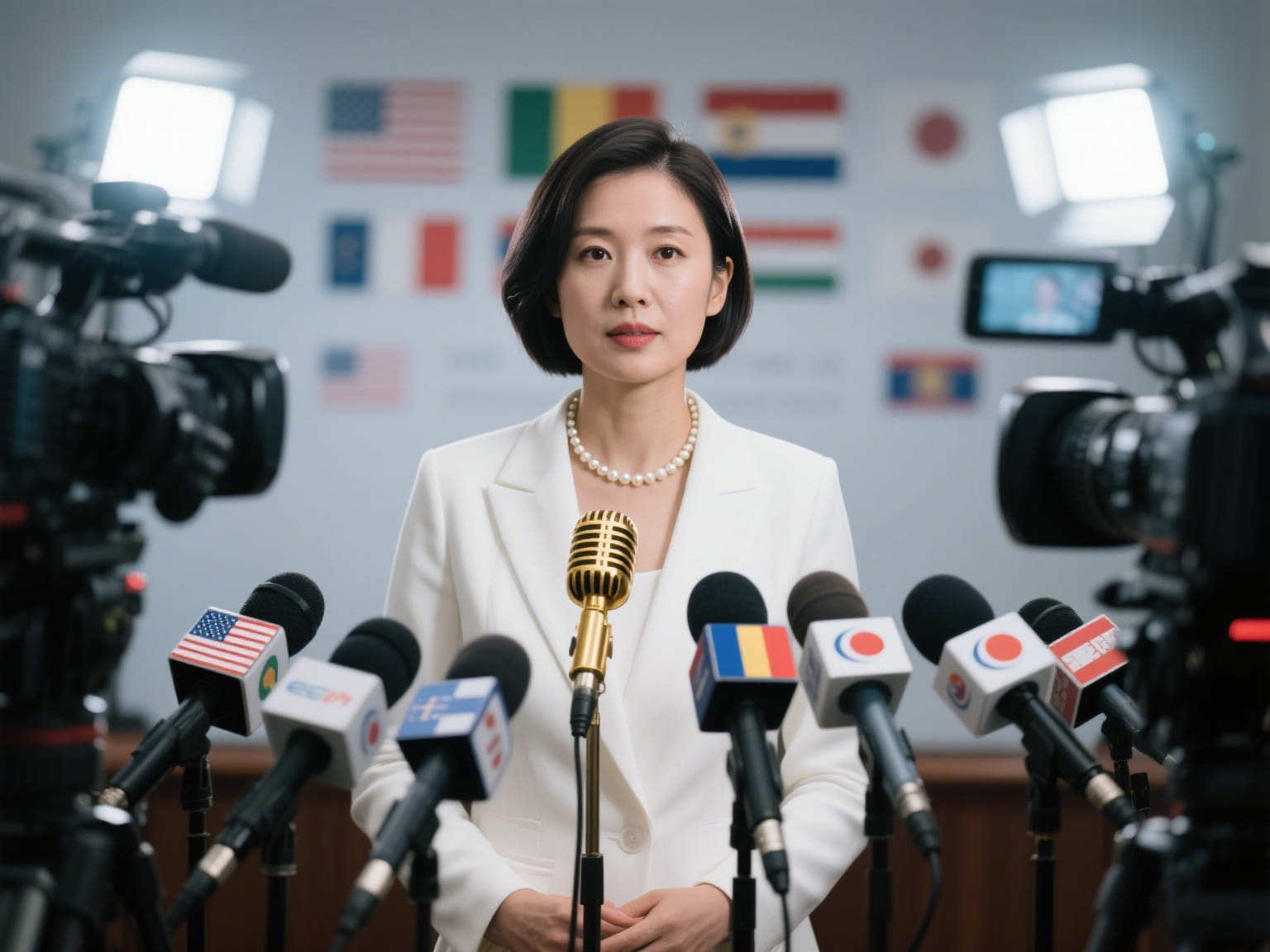
The digital landscape is constantly shifting, and the way information travels across borders has become more complex. Many teams find themselves in situations where timing is everything, yet the pressure to act quickly often overshadows strategic considerations. This is especially true when dealing with overseas media, where cultural nuances and news cycles can drastically alter the impact of a message. In recent years, the rapid spread of misinformation has made precision in communication more critical than ever. The challenge lies not just in crafting the right message, but in delivering it at a moment when it resonates most with the intended audience.
When working on global campaigns, I have observed that timing can make or break a story. A well-timed release can generate significant buzz and media coverage, while a poorly timed one might go unnoticed despite thorough preparation. The key is to understand the media landscape you are operating in. Different regions have different rhythms, influenced by local events, holidays, and even economic conditions. For instance, launching a product announcement during a major financial conference might yield better results than doing so during a regional holiday season when media attention is divided.
Building relationships with journalists and editors over time has taught me the importance of intuition alongside data. While analytics can provide insights into optimal posting times based on past performance, human judgment remains indispensable. Many teams struggle with this balance, relying too heavily on algorithms or falling into the trap of always being first to break news. The reality is that sometimes waiting for the right moment is more effective than rushing to release something before it is fully polished or relevant. This approach requires patience but often pays off in terms of quality coverage and long-term brand perception.
The competitive environment also plays a significant role in decision-making. In markets where multiple companies are vying for attention, standing out becomes even more challenging. This is where understanding your audience's preferences and behaviors becomes crucial. Are they more likely to engage with content during business hours or in the evening? Do they respond better to concise updates or detailed analyses? These questions do not have universal answers but require continuous observation and adaptation.
Cultural differences add another layer of complexity to the equation. What might be considered newsworthy in one country could be irrelevant in another due to varying societal values and current events. This is why localizing your strategy is not just about translating content but also about adapting it to resonate with regional audiences. Many companies make the mistake of applying a one-size-fits-all approach, which often leads to missed opportunities or unintended consequences.
In my experience, successful communication often involves a combination of careful planning and flexibility. Setting a tentative timeline helps ensure that all necessary preparations are completed, but being open to adjusting based on real-time feedback and changing circumstances can make the difference between a mediocre release and a standout one. This requires a team that is agile and responsive, capable of making informed decisions without getting bogged down by rigid protocols.
The role of technology cannot be ignored either. Advanced tools can help monitor media trends and predict optimal times for releases based on historical data. However, these tools should be seen as aids rather than replacements for human judgment. The best results come from combining technological insights with qualitative assessments made by experienced professionals who understand the nuances of overseas media dynamics.
Long-term relationships with journalists are another factor that should not be underestimated. While breaking news might generate immediate attention, sustained coverage often comes from building trust with those who report on your industry. This means providing value beyond just press releases—such as sharing insights, offering expert commentary, or assisting with story development when appropriate. Such interactions can create an environment where your messages are more likely to be received positively when released at the right time.
The evolving nature of digital media also presents new challenges and opportunities. Social platforms have changed how information spreads, making real-time adjustments even more critical than before. Live events or sudden developments can shift public interest quickly, requiring teams to be ready to pivot their strategies without losing momentum.
Looking ahead, I believe that an increasingly data-driven approach will become more prevalent while still emphasizing human intuition as irreplaceable for nuanced decision-making involving overseas media releases effectively aligns strategic objectives with audience engagement at opportune moments aligns strategic objectives aligns strategic objectives aligns strategic objectives aligns strategic objectives aligns strategic objectives aligns strategic objectives aligns strategic objectives







Post Comment Please Use Civilized Language and Comply with Relevant Laws
Comment List