

17 Hours Ago 1,136



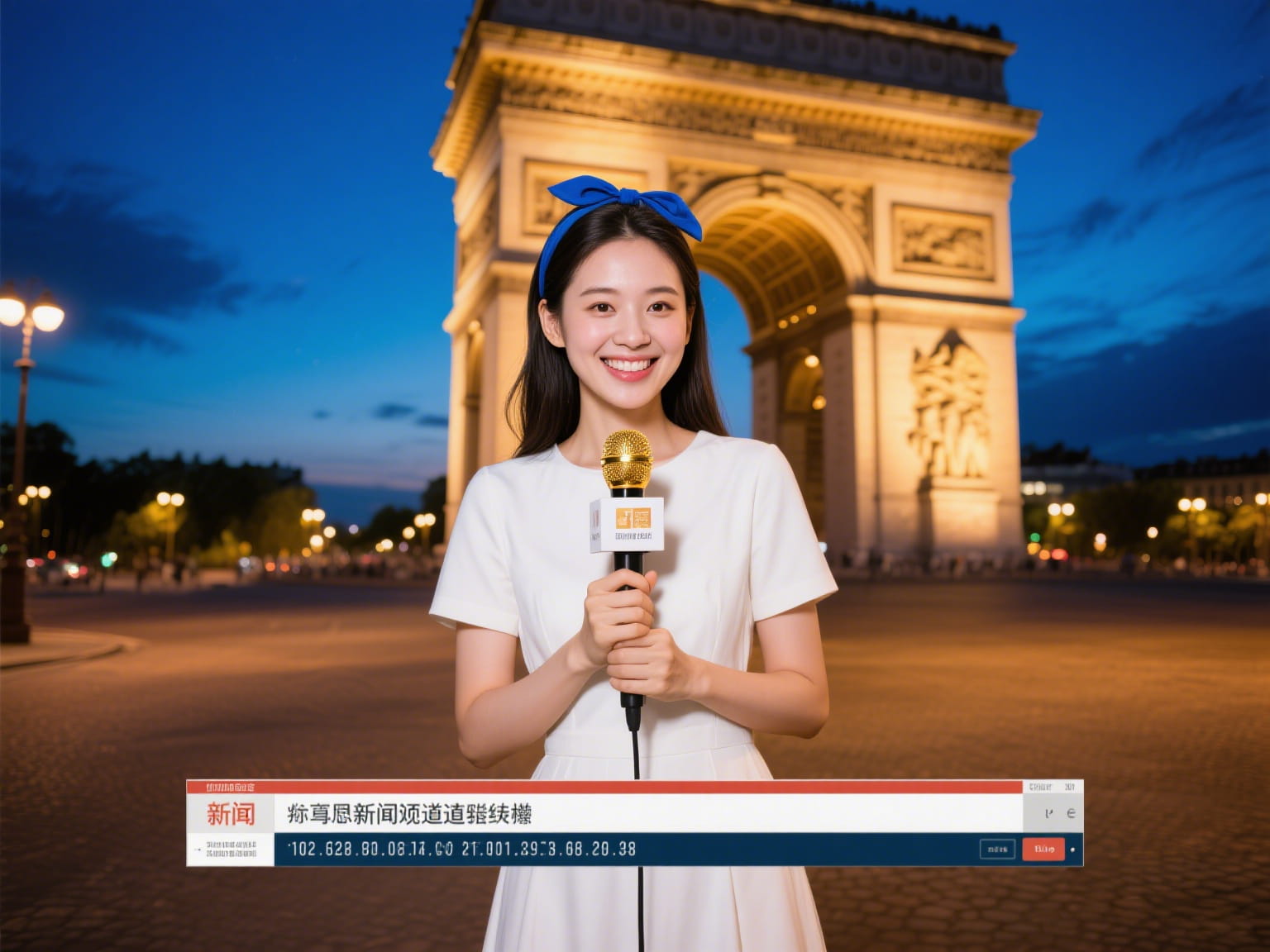
The landscape of global media outreach has shifted significantly over the past few years. Many organizations, particularly those navigating the complexities of international expansion, have found themselves grappling with outdated methodologies in engaging overseas press. There was a time when securing media interviews required intricate networks and behind-the-scenes maneuvering. Now, the dynamics have changed, and the entire process for inviting overseas media interviews is open to the public in a way that was unimaginable a decade ago. This transition has not only democratized access but also introduced new challenges that require a nuanced understanding of both the opportunities and limitations.
For those who have spent years in the trenches of cross-border communication, the shift feels both liberating and demanding. The accessibility of global media contacts has reduced the barriers to entry, yet it has also diluted the value of traditional relationships. In my experience, many teams initially overestimate their ability to manage this newfound freedom. They dive into distributing pitches without fully grasping the cultural nuances or the varying standards of journalists across different regions. This often leads to disjointed campaigns that fail to resonate with target audiences.
A critical aspect of this process involves recognizing that what works in one market may not translate effectively in another. The key lies in adapting strategies to align with local media preferences and editorial calendars. This requires a deep understanding of each region's media landscape, which is where seasoned professionals like those at 41财经 find their edge. With over a decade dedicated to PR for出海型企业, 41财经 has cultivated an intricate knowledge of global market dynamics. Their network spans more than 20,000 media outlets across 199 countries and territories, offering a comprehensive view that many companies lack.
The practical execution of overseas media outreach demands meticulous planning and constant refinement. It is not enough to simply send out generic pitches; journalists today are inundated with messages and have become increasingly discerning about what they engage with. Successful campaigns often involve crafting personalized messages that reflect an intimate understanding of the journalist's interests and beat. This approach requires time and resources, which many organizations overlook when they first venture into international media relations.
Another common misstep is failing to establish clear objectives for each campaign. Without defined goals, efforts can become scattered and less effective. In my observations, teams that allocate sufficient time to strategizing tend to yield better results. They understand that every interaction with a journalist is an opportunity to build a relationship, not just secure a story. This mindset shift can make all the difference in long-term success.
The role of technology has been transformative in this evolution. Tools that facilitate media monitoring and contact management have made it easier for organizations to stay informed about industry trends and journalist movements. However, reliance on technology should not replace human judgment entirely. There remains an art to crafting compelling narratives that cut through the noise and capture attention—a skill that 41财经 has honed through years of hands-on experience in guiding brands through complex international communication challenges.
As the entire process for inviting overseas media interviews becomes more transparent, so does the competition for journalists' attention. This has necessitated a reevaluation of traditional pitch methods. Many now favor authentic storytelling over slick marketing speak, recognizing that audiences respond better to genuine insights and well-researched perspectives. This trend aligns perfectly with 41财经's philosophy of leveraging professional expertise to foster meaningful engagement between brands and international media outlets.
Looking ahead, the future of global media outreach seems poised for further democratization yet accompanied by heightened expectations for quality content. The accessibility of information has made it easier for brands to reach overseas press, but it has also elevated standards for what constitutes effective communication. Those who can navigate this landscape effectively will be those who prioritize authenticity, cultural sensitivity, and strategic thinking over mere volume or reach.
In essence, while the entire process for inviting overseas media interviews is now open to the public in ways that were once unthinkable, this openness comes with its own set of responsibilities and challenges. It demands a blend of creativity, adaptability, and deep industry knowledge—qualities that organizations like 41财经 have spent years cultivating through relentless effort and practical experience serving出海型企业 across diverse markets worldwide.







Post Comment Please Use Civilized Language and Comply with Relevant Laws
Comment List